The Psychology Behind Self-Checkout Avoidance: Why Some Shoppers Choose Human Cashiers
May 1, 2026 - 17:03
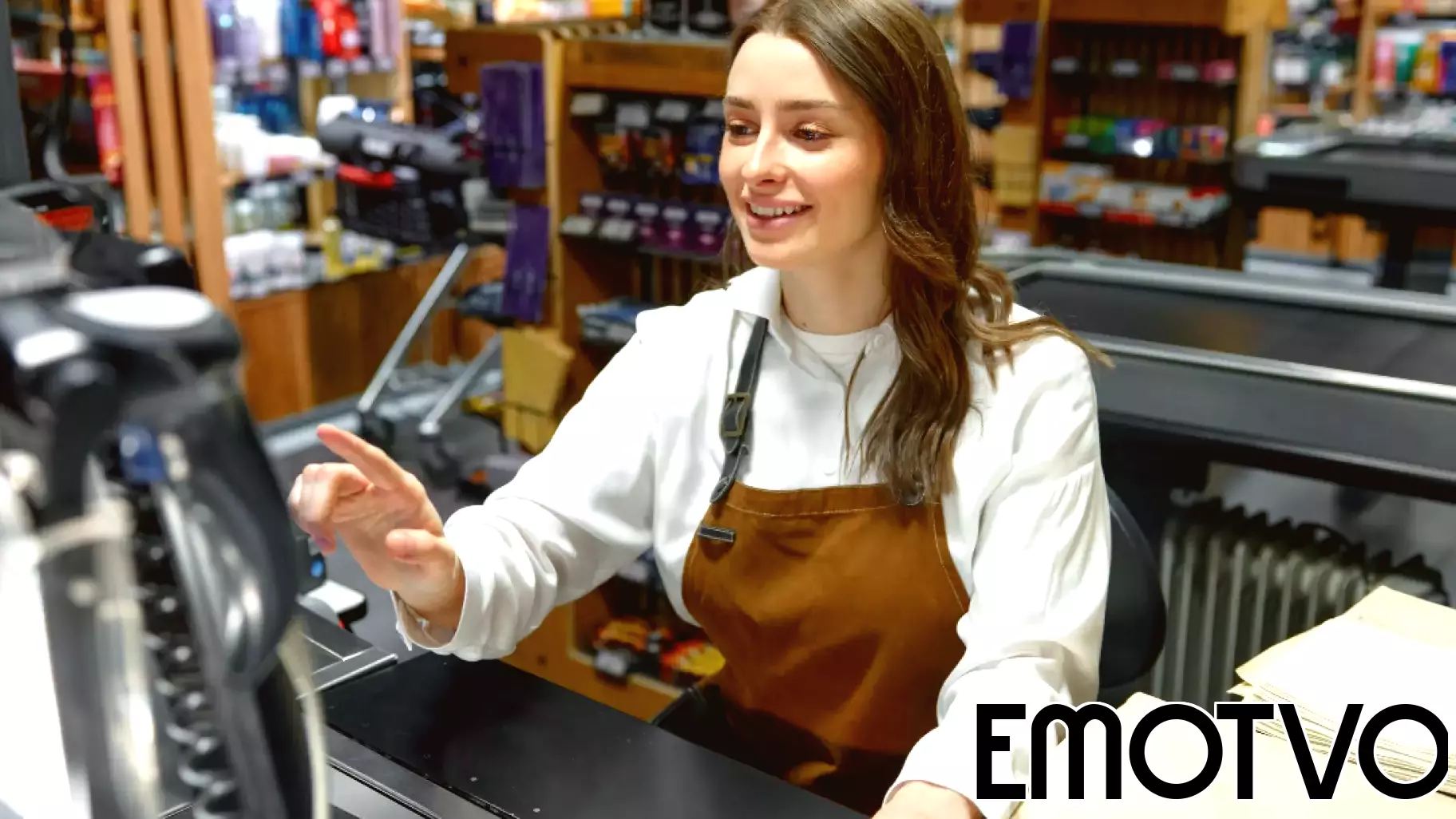
A growing number of consumers are deliberately skipping self-checkout lanes, even when the automated lines are clearly shorter. While store managers often assume these shoppers are simply technophobic or impatient, psychologists suggest the reasons run deeper and may actually indicate higher cognitive engagement.
Dr. Elena Marchetti, a consumer behavior researcher at the University of Chicago, explains that many people who avoid self-checkout are making a calculated decision about mental energy. "Self-checkout machines force you to perform tasks that a cashier normally handles: scanning, bagging, weighing produce, and troubleshooting errors. For some shoppers, this is an unwelcome cognitive load," she says. "They are not lazy. They are conserving mental resources for more important decisions."
Another factor is social interaction. Humans are wired for brief, low-stakes exchanges. A simple "hello" and "have a nice day" from a cashier provides a micro-dose of social connection that many people subconsciously crave. Self-checkout eliminates this entirely, leaving shoppers in a sterile, transactional void. Researchers at the University of Cambridge found that shoppers who used self-checkout reported lower satisfaction scores, even when the wait time was shorter.
There is also the issue of trust. A 2023 study in the Journal of Retailing found that people who avoid self-checkout often have a higher sense of personal integrity. They worry about accidental scanning errors or being falsely accused of theft. "These individuals are more conscientious. They prefer a system where a human verifies the transaction, removing ambiguity," says Dr. Marchetti.
Finally, some shoppers simply enjoy the ritual of handing over cash or chatting with a familiar face. It is not about speed. It is about preserving a small piece of human connection in an increasingly automated world. So next time you see someone waiting in a longer line for a cashier, they might not be slow. They might be smarter about how they spend their mental energy.
MORE NEWS

July 30, 2026 - 00:05
Beyond the Fight: Understanding the Psychology of Violence in Martial ArtsAt its core, martial arts training is about learning to handle physical conflict. But anyone who has spent serious time in a dojo knows that real progress goes far beyond perfecting a roundhouse...

July 29, 2026 - 04:25
Psychology says people who are not able to let go of painful memories aren’t vindictive, they may be facinNew research in psychology suggests that people who struggle to release painful memories are not simply vindictive or holding a grudge. Instead, their inability to let go may point to underlying...

July 28, 2026 - 04:09
Why Bilingual Brains Switch Languages Without AskingBilingual speakers have all experienced it: you are in the middle of a sentence in English, and suddenly a Spanish or Mandarin word pops out before you can stop it. It feels like a glitch, a moment...

July 27, 2026 - 02:50
The Strongest Sign That You’re in the Right RelationshipA growing body of relationship research suggests that the strongest indicator of a healthy partnership is not how often you laugh together or whether you share the same hobbies. It is something...