‘Code of Misconduct’ Exposes the Toxic Psychology Driving Hockey’s Darkest Norms
April 28, 2026 - 00:59
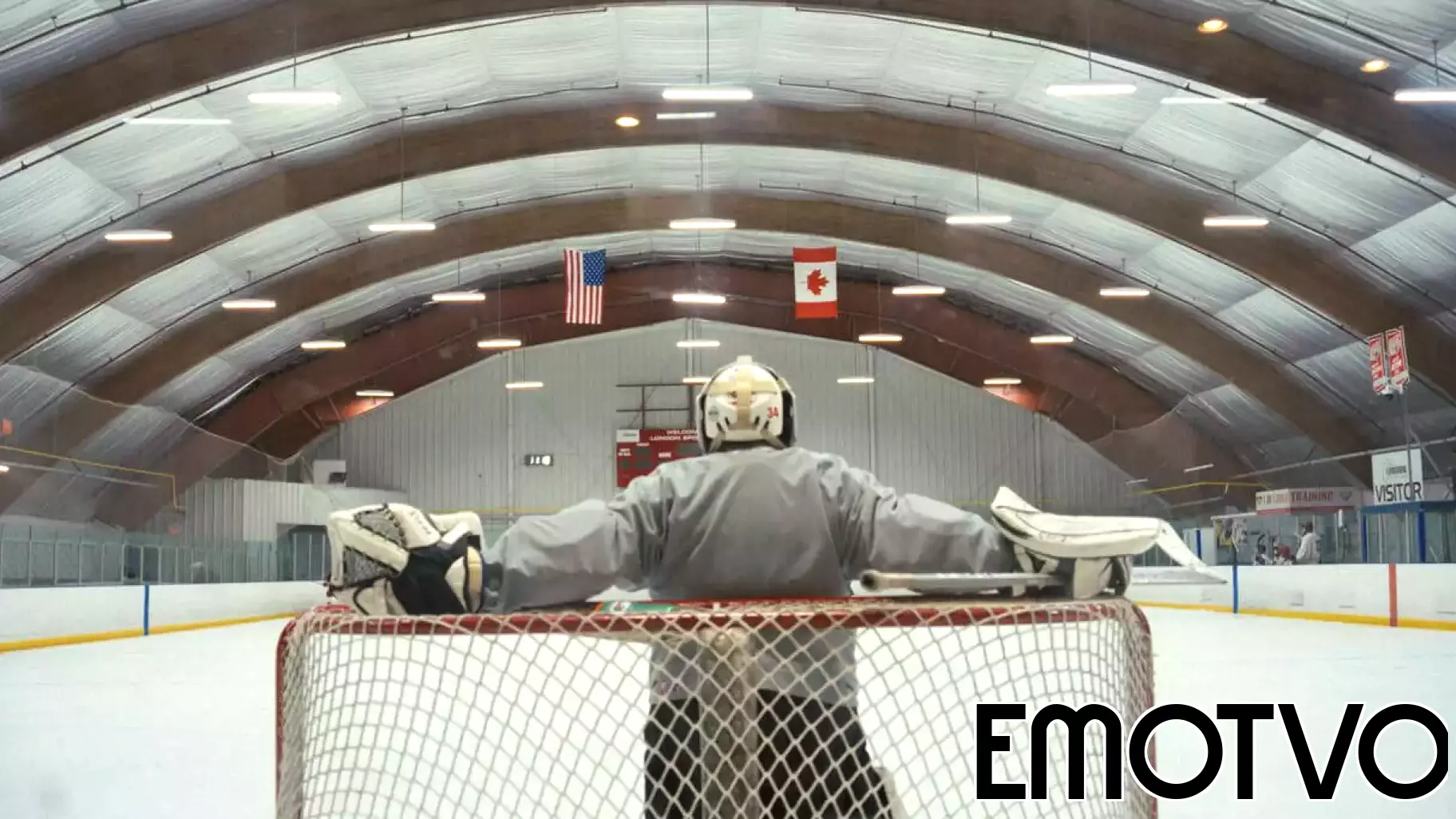
A new documentary is pulling back the curtain on the deeply ingrained toxic culture within Canadian hockey, offering a chilling examination of the herd mentality that often takes root among young male athletes. Titled Code of Misconduct, the film made its debut at this year’s Hot Docs Festival, and it is already sparking urgent conversations about the sport’s psychological undercurrents.
The documentary does not simply catalog incidents of hazing, bullying, or abuse—though those elements are present. Instead, it digs into the systemic pressures that shape behavior from the earliest levels of youth hockey. Through interviews with former players, psychologists, and cultural critics, the film illustrates how a rigid code of silence and conformity can turn locker rooms into breeding grounds for cruelty. Young athletes, desperate to prove their toughness and loyalty, often suppress their own moral compasses to fit in, perpetuating a cycle that rewards aggression and punishes vulnerability.
What makes Code of Misconduct particularly disturbing is its focus on the bystander effect. The documentary argues that the real damage is not always done by the worst offenders, but by the majority who witness misconduct and say nothing. This silence, the film suggests, is not passive—it is an active reinforcement of a system that equates masculinity with emotional suppression and unquestioning allegiance to the team.
By framing hockey’s problems as a psychological and cultural crisis rather than a series of isolated scandals, the documentary challenges viewers to look beyond individual bad actors. It asks a difficult question: How can a sport so beloved by a nation continue to protect a culture that harms so many of its participants? Code of Misconduct offers no easy answers, but it makes an undeniable case that the first step toward change is understanding the hidden psychology that keeps the toxic cycle spinning.
MORE NEWS

July 27, 2026 - 02:50
The Strongest Sign That You’re in the Right RelationshipA growing body of relationship research suggests that the strongest indicator of a healthy partnership is not how often you laugh together or whether you share the same hobbies. It is something...

July 25, 2026 - 20:10
Exploring Infidelity: Five Films That Reveal the Complexity of BetrayalInfidelity isn`t just one story; it unfolds in various ways, driven by different motivations and circumstances. Five films delve into the intricate nature of betrayal, showcasing how it can emerge...
July 24, 2026 - 11:56
When Is Calling Out Bias Actually Effective?Calling out bias has become a central tool in allyship, but its effectiveness depends heavily on timing and delivery. A well-placed intervention can shift perspectives and reinforce norms. A poorly...
July 23, 2026 - 18:27
Can AI Help Us Learn to Like Each Other?A new experiment suggests that artificial intelligence might do more than just answer questions or generate text. It could help people understand each other better. Researchers built a chatbot...