Cannabis and Mental Health: Between High Hopes and Higher Anxiety
April 29, 2026 - 18:21
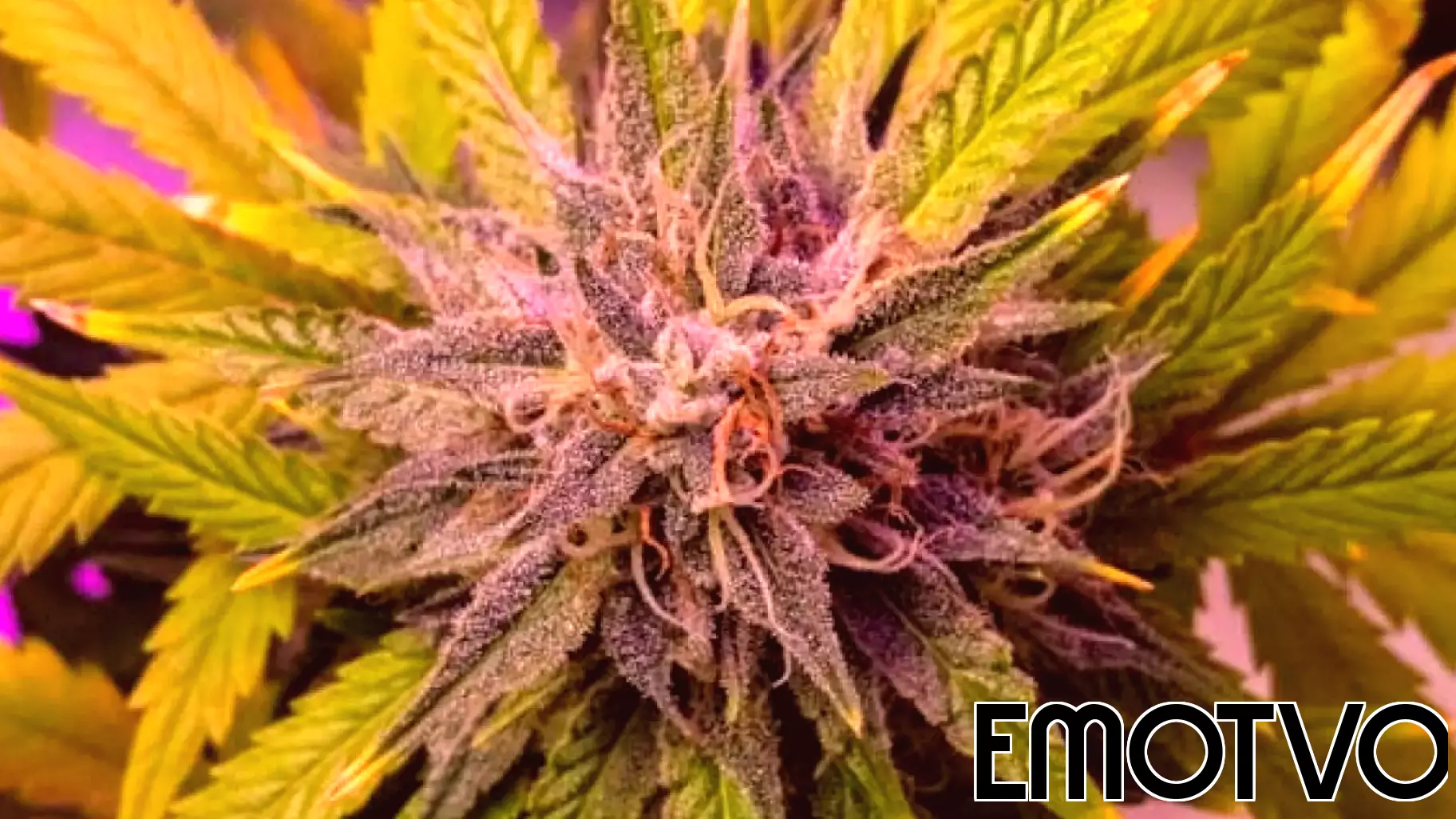
The conversation around cannabis and mental health has never been more polarized. On one side, advocates tout its potential to soothe anxiety, ease depression, and unlock creative calm. On the other, critics warn of paranoia, dependency, and long-term cognitive damage. Somewhere between “it can fix everything” and “it will ruin your brain” lies a far more nuanced reality—one that researchers are only beginning to untangle.
For millions of users, cannabis offers genuine relief. Low-dose THC and CBD-rich strains have shown promise in reducing symptoms of post-traumatic stress disorder, chronic pain-related depression, and social anxiety. Many individuals report that a carefully managed regimen helps them sleep, focus, or simply pause a racing mind. Yet the same plant that calms one person can trigger a panic attack in another. The difference often comes down to dosage, strain composition, individual brain chemistry, and underlying mental health conditions.
Emerging studies reveal a troubling pattern: frequent, high-potency cannabis use—especially among adolescents and young adults—is linked to increased rates of psychosis, bipolar episodes, and worsening anxiety over time. The risk appears highest for those with a genetic predisposition or a history of trauma. For them, what begins as self-medication can spiral into dependence, blunting motivation and deepening isolation.
The challenge is that cannabis is not a single substance. It is a complex plant with dozens of active compounds, each interacting differently with the brain’s endocannabinoid system. This variability makes blanket statements dangerous. What works for a 40-year-old with arthritis may harm a 19-year-old with undiagnosed schizophrenia.
Ultimately, the truth about cannabis and mental health is not a simple yes or no. It is a matter of context: who uses it, how much, how often, and for what purpose. Until research catches up with legalization, the wisest path may be cautious curiosity—acknowledging both the hope and the hazard, without falling for either extreme.
MORE NEWS

July 29, 2026 - 04:25
Psychology says people who are not able to let go of painful memories aren’t vindictive, they may be facinNew research in psychology suggests that people who struggle to release painful memories are not simply vindictive or holding a grudge. Instead, their inability to let go may point to underlying...

July 28, 2026 - 04:09
Why Bilingual Brains Switch Languages Without AskingBilingual speakers have all experienced it: you are in the middle of a sentence in English, and suddenly a Spanish or Mandarin word pops out before you can stop it. It feels like a glitch, a moment...

July 27, 2026 - 02:50
The Strongest Sign That You’re in the Right RelationshipA growing body of relationship research suggests that the strongest indicator of a healthy partnership is not how often you laugh together or whether you share the same hobbies. It is something...

July 25, 2026 - 20:10
Exploring Infidelity: Five Films That Reveal the Complexity of BetrayalInfidelity isn`t just one story; it unfolds in various ways, driven by different motivations and circumstances. Five films delve into the intricate nature of betrayal, showcasing how it can emerge...