Mental health programs alone won’t fix psychological injury among public safety workers
July 22, 2026 - 02:27
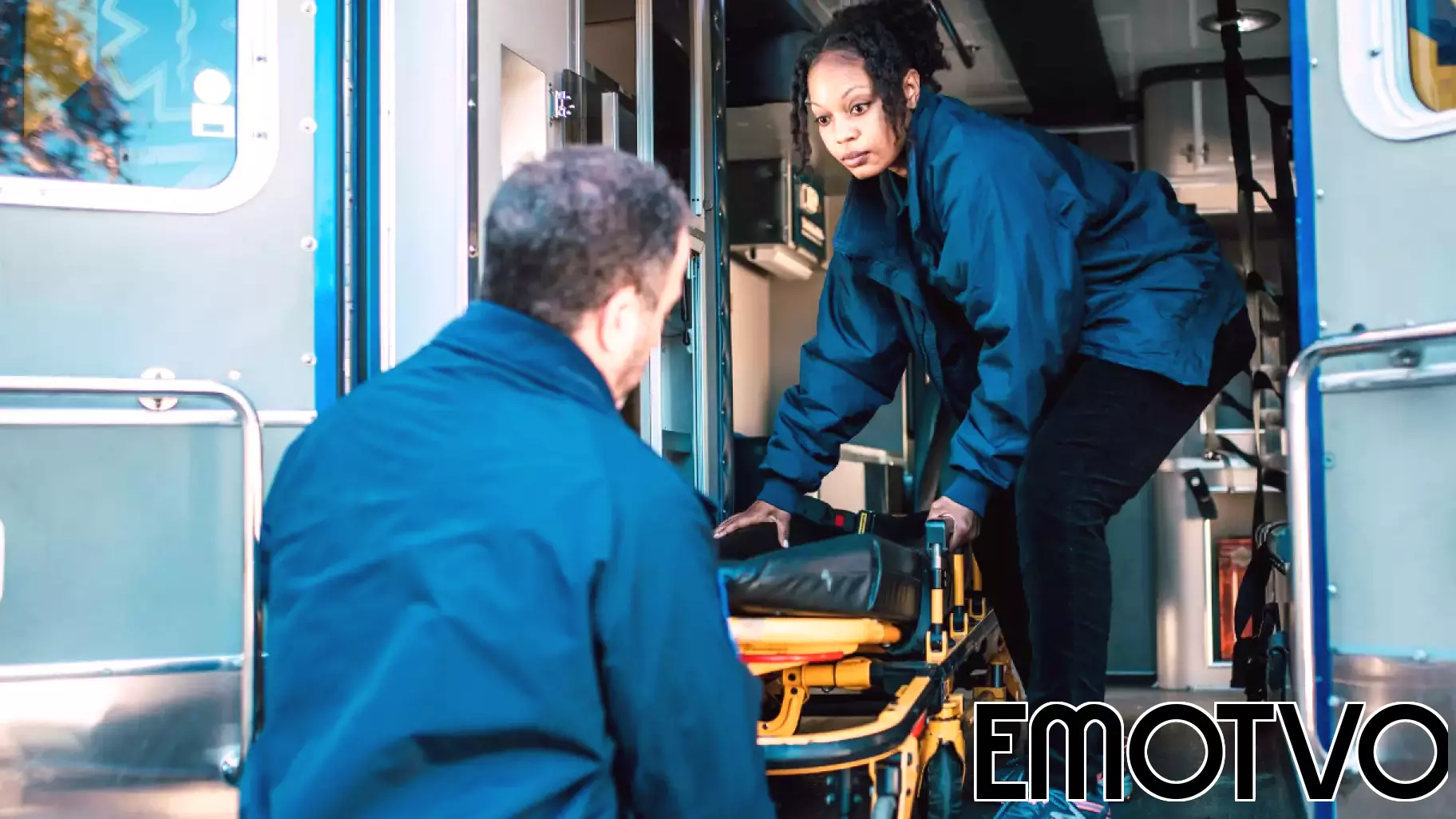
A growing body of research suggests that mental health programs, while helpful, are not enough to address the rising rates of psychological injury among public safety workers. Police officers, firefighters, paramedics, and corrections staff face chronic exposure to trauma, violence, and critical incidents. Yet many organizations continue to focus on individual resilience training, stress management workshops, and employee assistance plans. These tools place the burden of recovery on the worker rather than on the conditions that cause the harm.
Experts argue that the real solution lies in changing the workplace itself. High caseloads, shift work, lack of peer support, and poor leadership are known risk factors for post-traumatic stress disorder and burnout. When an officer is sent from one traumatic call to another without time to decompress, no amount of mindfulness training will prevent long-term injury. Similarly, paramedics who face verbal abuse daily need systemic protections, not just a counseling hotline.
Some jurisdictions are beginning to shift their approach. They are implementing mandatory rest periods, limiting overtime, and training supervisors to recognize early signs of distress. Others are redesigning dispatch protocols to reduce the number of high-priority calls per shift. These changes target the source of the problem rather than the symptoms.
The key insight is simple: you cannot treat your way out of a toxic system. Mental health support remains important, but it must be paired with structural reforms. Until the work itself becomes safer, public safety personnel will continue to suffer, no matter how many wellness programs are offered.
MORE NEWS

July 21, 2026 - 09:37
Psychology says people who never cut birthday cakes may not dislike celebrations; here’s what it reveals about themWalk into almost any birthday or anniversary gathering and there is a good chance the cake appears at some point. Candles are lit, cameras come out and everyone pauses for the familiar ritual...

July 20, 2026 - 18:54
Psychology says people who can't throw things away may be holding onto more than just objectsAccording to psychological research, the inability to throw things away goes far beyond simple laziness or stubbornness. When people keep items that no longer serve any practical purpose, they are...

July 20, 2026 - 09:24
What's behind the behaviour of All-Ireland final crowds?The roar of 82,000 voices in Croke Park on All-Ireland final day is more than just noise. It is a complex social phenomenon shaped by deep cultural roots and shared identity. Understanding why...

July 19, 2026 - 18:28
Study finds retaliatory incivility is judged less harshly than instigatory incivilityA new study reveals that how people judge rude behavior depends heavily on who started the conflict. Researchers found that retaliatory incivility -- being rude in response to someone else`s...