Study finds retaliatory incivility is judged less harshly than instigatory incivility
July 19, 2026 - 18:28
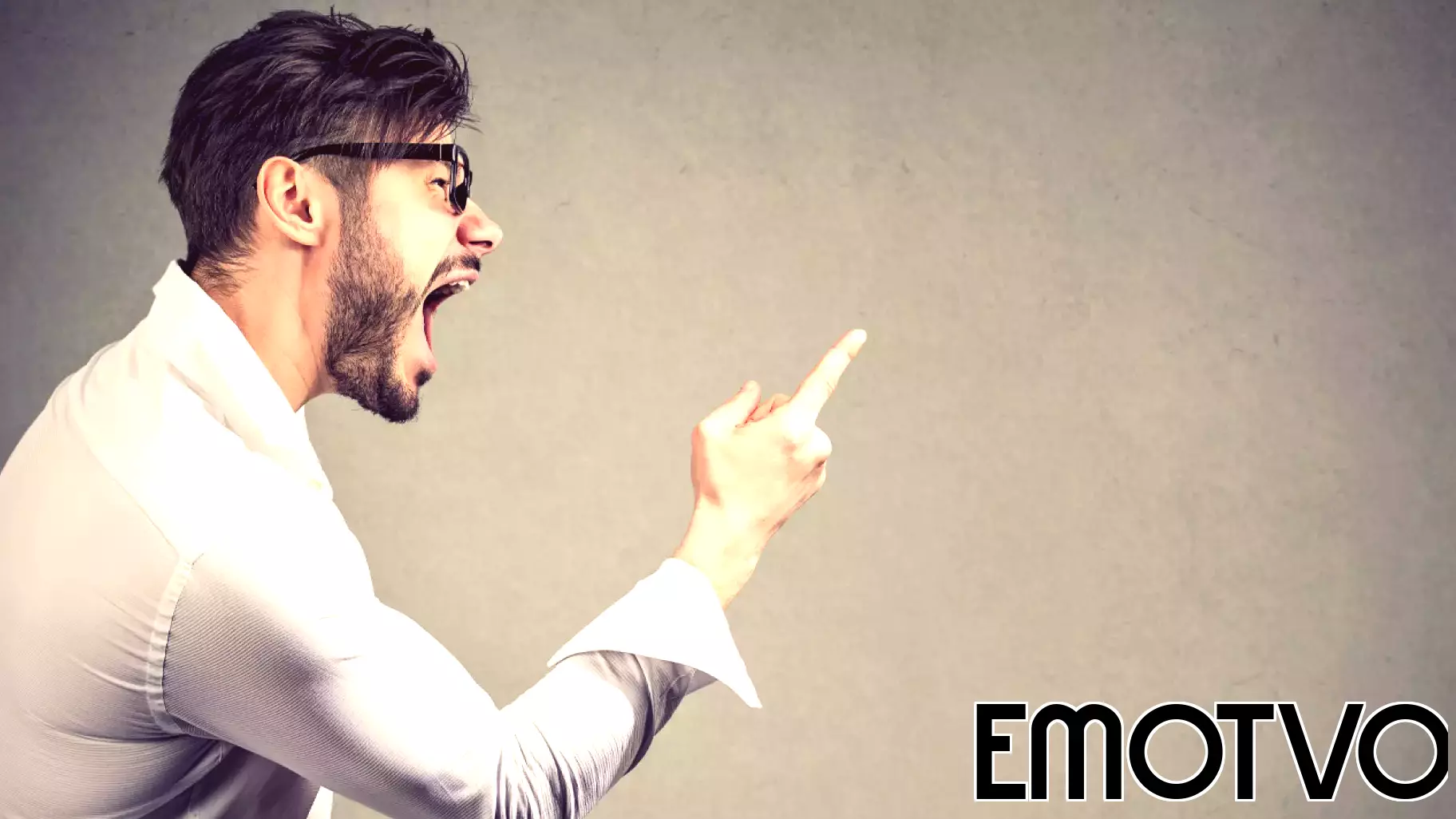
A new study reveals that how people judge rude behavior depends heavily on who started the conflict. Researchers found that retaliatory incivility -- being rude in response to someone else's rudeness -- is viewed as more justifiable and even virtuous compared to unprovoked incivility. The study suggests that observers see a retaliatory act as a form of social correction or standing up for oneself, which softens the negative judgment.
However, the findings do not give a free pass to those who fire back. The same research shows that polite and composed responses are still rated as the most favorable option overall. People generally prefer de-escalation over escalation, even when the initial slight was severe. The study highlights a nuanced social dynamic: while two wrongs do not make a right in the eyes of most, the second wrong is often seen as less wrong than the first. This insight could have implications for workplace training and conflict resolution, where understanding how bias shapes our perception of rudeness might help foster more thoughtful responses to incivility.
MORE NEWS

July 20, 2026 - 09:24
What's behind the behaviour of All-Ireland final crowds?The roar of 82,000 voices in Croke Park on All-Ireland final day is more than just noise. It is a complex social phenomenon shaped by deep cultural roots and shared identity. Understanding why...

July 19, 2026 - 08:55
Psychiatrists, psychologists spending more than other healthcare providers to lobby policymakersPayments to lobbyists from healthcare providers dropped by 13 percent over the ten years leading up to 2024. But one specialty bucked the trend. Spending by mental health professionals, including...

July 18, 2026 - 22:08
How Clinicians Conceptualize Symptoms Influences TherapyThe way a clinician interprets your struggles is not just a theoretical exercise. It directly influences the techniques they use, the goals they set, and ultimately, how you experience therapy....

July 18, 2026 - 00:01
Psychology says people who give unsolicited advice aren’t egomaniacs, they may be looking for the ‘helper’New research is challenging the common assumption that people who offer unsolicited advice are simply arrogant or controlling. According to recent findings in social psychology, many individuals...