What's behind the behaviour of All-Ireland final crowds?
July 20, 2026 - 09:24
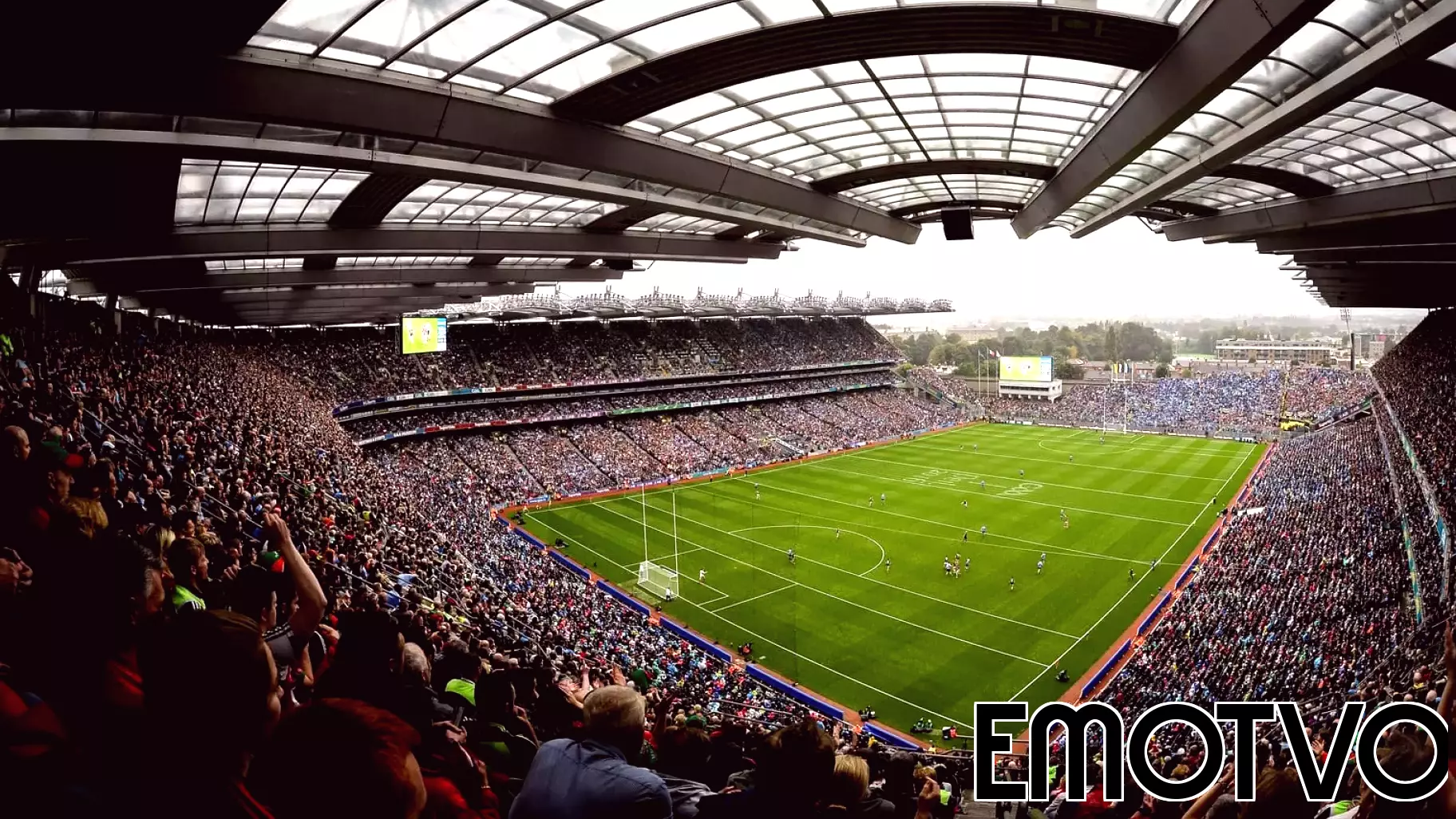
The roar of 82,000 voices in Croke Park on All-Ireland final day is more than just noise. It is a complex social phenomenon shaped by deep cultural roots and shared identity. Understanding why crowds at the GAA's biggest event behave the way they do requires looking beyond simple fandom into the psychology of collective emotion.
One key factor is the tribal nature of the occasion. Supporters are not just watching a game; they are representing their county, their family history, and their local community. This sense of belonging creates a powerful emotional investment. When a team scores a goal, the eruption is not just relief or joy. It is a release of months of hope and anxiety shared among thousands of strangers who suddenly feel like kin. This shared emotional state, often called collective effervescence, can make the crowd feel like a single living organism.
Another element is the ritualistic structure of the day. From the parade of the teams to the playing of the national anthem, these ceremonies set a tone of solemnity and excitement. They prime the crowd for a heightened emotional experience. The long build-up, the journey to Dublin, and the gathering in pubs all contribute to a state of anticipation that lowers individual inhibitions. People become more likely to sing, chant, and embrace strangers because the social rules of everyday life are temporarily suspended.
Finally, the physical environment of Croke Park itself plays a role. The steep stands and the enclosed bowl design trap sound and energy, amplifying every cheer and groan. This feedback loop means the crowd's mood can shift instantly. A missed free can create a wave of collective groaning, while a last-minute point can spark a joyful chaos that feels uncontrollable. It is not mindless hooliganism but a highly coordinated, unspoken social dance driven by identity, ritual, and the sheer power of being part of something larger than oneself.
MORE NEWS

July 20, 2026 - 18:54
Psychology says people who can't throw things away may be holding onto more than just objectsAccording to psychological research, the inability to throw things away goes far beyond simple laziness or stubbornness. When people keep items that no longer serve any practical purpose, they are...
July 19, 2026 - 18:28
Study finds retaliatory incivility is judged less harshly than instigatory incivilityA new study reveals that how people judge rude behavior depends heavily on who started the conflict. Researchers found that retaliatory incivility -- being rude in response to someone else`s...
July 19, 2026 - 08:55
Psychiatrists, psychologists spending more than other healthcare providers to lobby policymakersPayments to lobbyists from healthcare providers dropped by 13 percent over the ten years leading up to 2024. But one specialty bucked the trend. Spending by mental health professionals, including...
July 18, 2026 - 22:08
How Clinicians Conceptualize Symptoms Influences TherapyThe way a clinician interprets your struggles is not just a theoretical exercise. It directly influences the techniques they use, the goals they set, and ultimately, how you experience therapy....