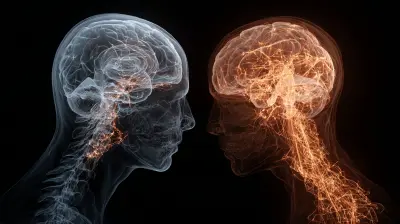
Understanding the Emotional Dependency Trap in Romantic Relationships
16 July 2026
Have you ever felt like your entire world revolves around your partner? Like your happiness, your peace of mind, and your sense of self-worth are all tied to their actions or approval? If so, you may be caught in something called an emotional dependency trap—and trust me, you’re not alone.
We’ve all seen those couples where one person just seems to lose themselves in the other. On the surface, it might look like deep love, but dig a little deeper, and it’s often more about needing than loving. And there’s a big difference between the two.
In this post, we’re diving deep into what emotional dependency actually is, how it sneaks into relationships, the red flags you shouldn't ignore, and most importantly, how to break free from the cycle if you find yourself stuck.
What Is Emotional Dependency?
Let’s break it down in simple terms. Emotional dependency happens when you rely heavily—often too heavily—on your partner to meet all your emotional needs. It’s like trying to fill every emotional cup you own from one tiny faucet. Spoiler alert: it’s going to run dry.Instead of sharing your emotions with your partner, you start to need them for validation, security, comfort, and even your sense of identity. That’s a lot to put on one person. And over time, this kind of one-sided pressure can turn love into something unhealthy, even suffocating.
We all crave connection. That’s human. But emotional dependency crosses the line from connection into attachment that’s more about survival than affection.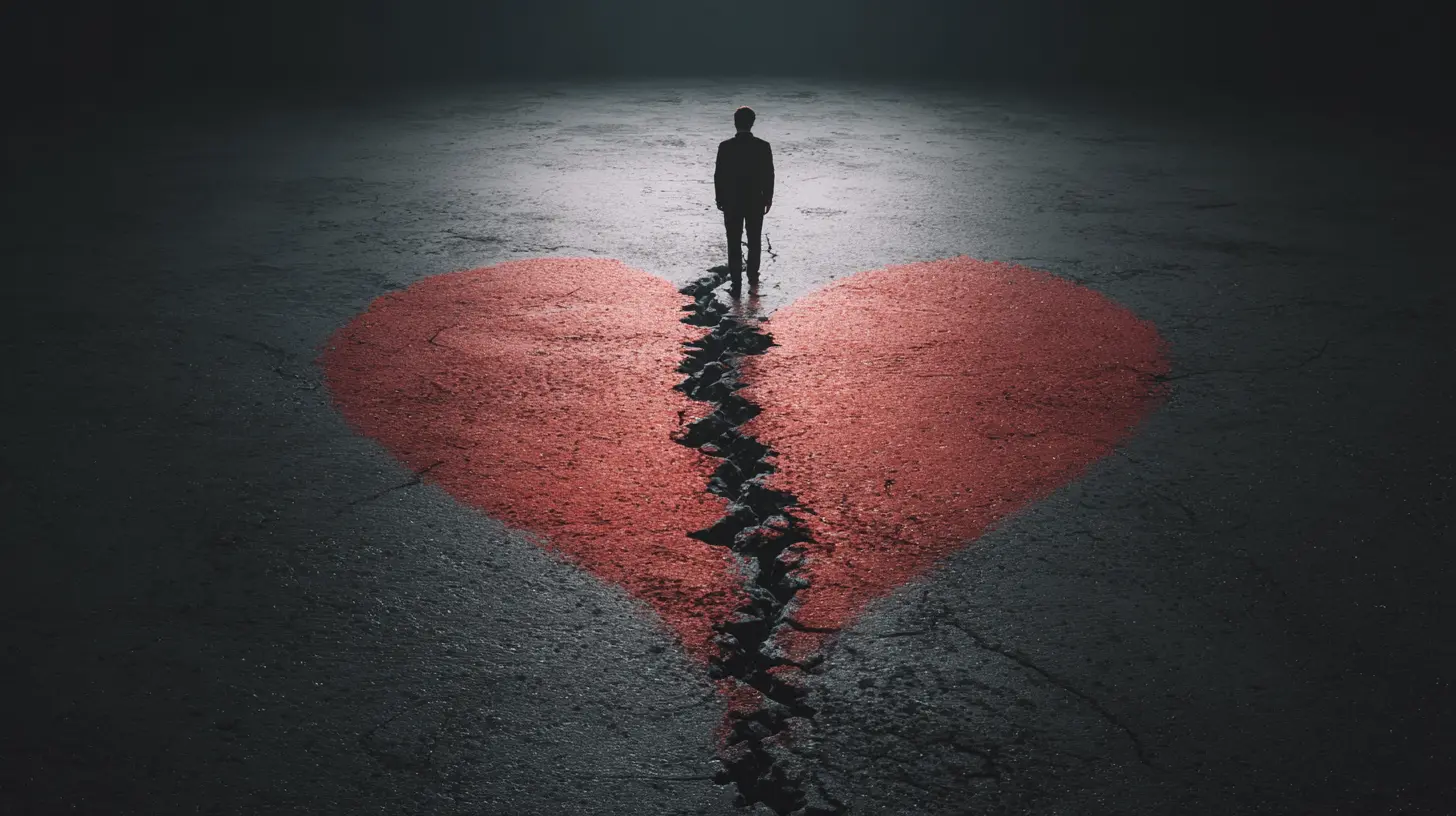
How the Trap Is Set: Where Emotional Dependency Starts
Believe it or not, emotional dependency isn't always born in the relationship itself. It usually has roots that go way back—often to childhood. Think about your early relationships with caregivers. Were love and attention consistent? Or did you have to earn them?Here are a few common contributors:
- Fear of abandonment: This often starts early in life when we learn (even unconsciously) that people leave, and that hurts.
- Low self-esteem: If you don’t value yourself, you may look for that validation externally—from your partner.
- Unresolved trauma: Past heartbreaks, rejection, or emotional neglect can create a fear-based need for attachment.
- Idealizing love: Thanks a lot, romantic comedies. Many of us were taught to believe that true love “completes us,” which just isn't how healthy relationships work.
By the time we get into adult romantic relationships, these patterns show up like old baggage we didn’t even realize we packed.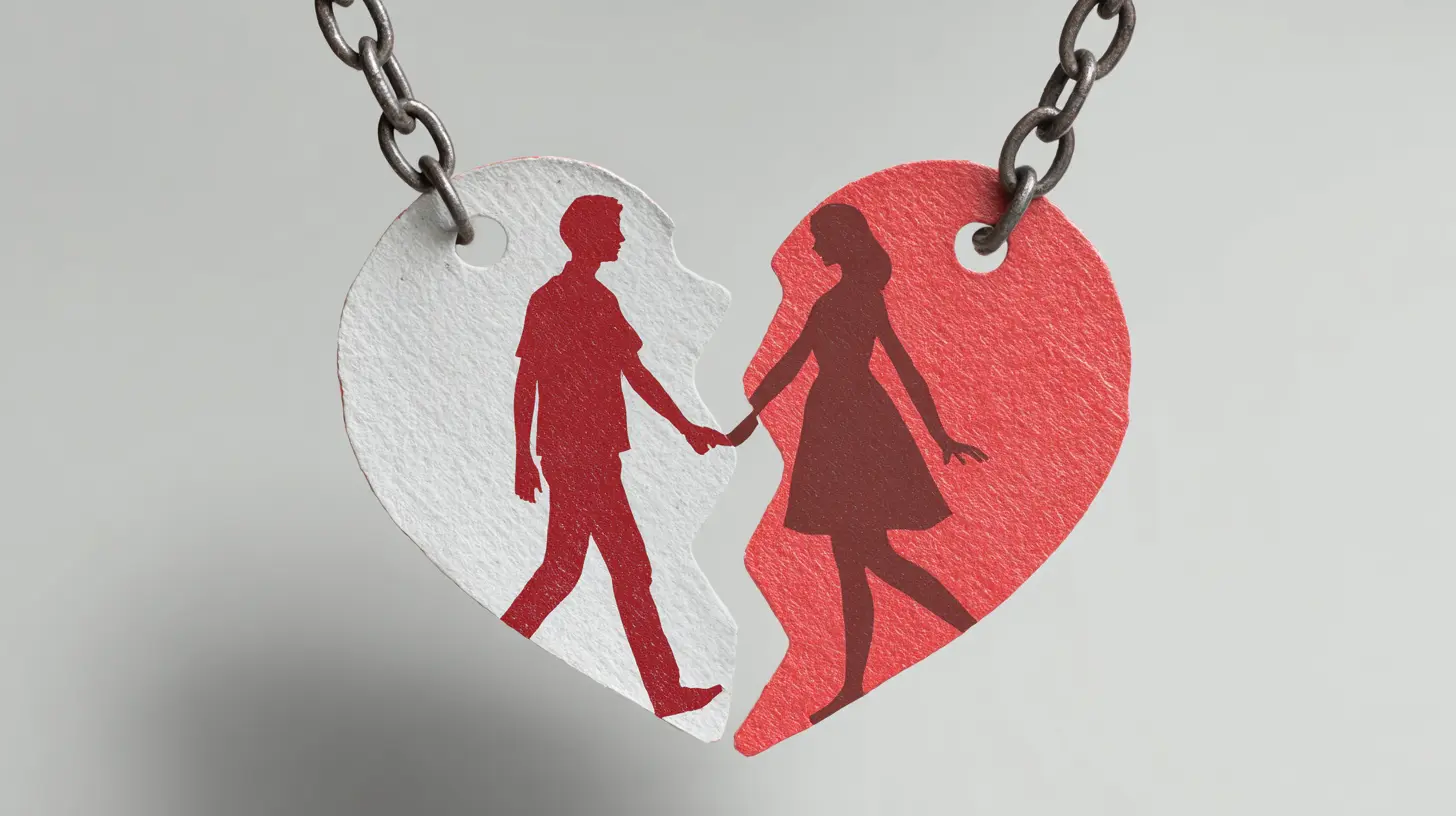
Signs You're Emotionally Dependent
Wondering if this might be happening to you? Here are some telltale signs you might be stuck in an emotional dependency trap:1. You Constantly Seek Reassurance
Do you regularly need your partner to tell you they love you, aren’t leaving, or aren’t mad at you? While some reassurance is natural, needing it constantly is a red flag.2. You Feel Lost When They’re Not Around
If you feel empty, anxious, or even panicked when your partner is away or busy, that’s not just missing someone. That could be dependency creeping in.3. You Put Their Needs Above Your Own
Always canceling your plans, changing your opinions, or ignoring your desires just to please your partner? That’s not compromise—that’s self-abandonment.4. You Fear Conflict
You might avoid any disagreements because you're terrified it’ll rock the boat. But healthy relationships involve occasional, respectful conflict.5. Your Mood Depends on Them
If your day is ruined because your partner is grumpy or distracted, that’s a sign your emotional state is tied too tightly to theirs.6. You Can't Make Decisions Without Them
Even small things—like what to wear or what to eat—can become overwhelming without their input or approval.Sound familiar? Don’t beat yourself up. Remember, we’re all works in progress. Awareness is the first step to change.
The Difference Between Love and Dependence
Let’s clear something up: needing your partner isn’t the same as loving them.Love is free. It’s about wanting to be with someone, not needing them for emotional survival. True love enhances your life—it doesn’t become your only source of meaning.
Emotional dependency says, “I need you because I can’t be okay without you.”
Love says, “I choose you because we make each other better.”
See the difference?
How Emotional Dependency Affects Relationships
When emotional dependency takes the wheel, it doesn’t just impact you—it affects your partner and the overall health of the relationship too.1. It Creates Imbalance
Things often become one-sided. One partner carries the emotional load, while the other constantly seeks reassurance.2. It Breeds Resentment
Over time, the partner being leaned on may feel smothered or drained. And the dependent partner may start to feel unappreciated or neglected.3. It Leads to Burnout
Emotional exhaustion sets in when both people feel like they’re giving too much and getting too little.4. It Stifles Growth
Dependency keeps you stuck. Instead of growing as individuals, each person becomes more and more entangled, often to the detriment of personal goals and passions.Why It’s So Hard to Let Go
Breaking free from emotional dependency isn’t easy. You know why? Because it feels like letting go of a lifeline. If your partner has become your emotional anchor, imagining life without them—or even with them, but with more independence—can feel like standing on shaky ground.But here’s the thing: love should feel like flying, not like clinging.
Letting go doesn’t mean leaving the relationship. Sometimes, it just means shifting the focus from “How can they make me whole?” to “How can we support each other as whole people?”
The Path to Healing: How to Break Free from Emotional Dependency
If you’ve realized you’re caught in the dependency trap, take a deep breath—you can climb out. One step at a time.1. Reconnect with Yourself
Who are you outside of the relationship? What do you love to do? What makes you feel alive, independent, and uniquely you?Start small. Take a solo walk. Try a new hobby. Journal. Meditate. These things help you rebuild your own emotional house so you’re not always trying to live in someone else’s.
2. Build a Support System
You don’t have to get all your emotional support from your partner. Reach out to friends, family, or a therapist. It’s healthy to have multiple outlets for connection and comfort.3. Establish Boundaries
Yes, even in romantic relationships. Set healthy boundaries around personal time, decision-making, and emotional space. You’ll be shocked how much more connected you feel when there’s also room to breathe.4. Practice Self-Validation
Instead of asking your partner if you’re okay, start telling yourself that you are. Affirmations might feel cheesy at first, but they work. Try: “I am enough,” or “I can handle this on my own.”5. Face Your Fears
Most dependency stems from fear—of being alone, of not being lovable, of being abandoned. Name those fears. Sit with them. Facing them lessens their power.6. Communicate with Your Partner
If you’re in a safe and loving relationship, talk to your partner about what you’re feeling. Let them in on your journey to emotional independence. You might be surprised by their support.7. Seek Professional Help
Therapists aren’t just for crises. A good therapist can help you unpack the roots of your dependency, develop coping strategies, and build a stronger sense of self.The Beauty of Interdependence
Here’s the goal—not independence (which can be isolating), and not dependence (which can be overwhelming), but interdependence.What’s that?
Interdependence is when two whole people choose to walk together, support each other, and lift each other up…without losing themselves in the process.
It’s like dancing. You move in rhythm, connected and flowing, but each person is still moving on their own two feet. And that’s where real love lives.
Final Thoughts
Getting caught in the emotional dependency trap doesn’t make you weak or broken. It makes you human. We've all been there in one form or another.But once you see it for what it is—a trap—you also gain the power to step out of it. You start to realize that the strongest, most fulfilling relationships aren’t built on neediness, but on two individuals who choose to support each other from a place of self-love and wholeness.
So, if you're feeling stuck, remember this: you are already enough. You always have been. You don't need another person to complete you. You're not half of a whole—you’re already whole.
And the love you deserve? It's the kind that celebrates that wholeness. That amplifies your light, but never tries to become your only source of it.
all images in this post were generated using AI tools
Category:
Emotional DependencyAuthor:

Gloria McVicar