Understanding the Link Between Physical Activity and Mental Wellness
29 June 2026
Ever notice how a short walk or a quick dance session instantly boosts your mood? Yep, that’s no coincidence — it’s science, and today, we're diving into that beautiful brain-body connection. Whether you’re a gym rat or you consider walking to the fridge your daily cardio, this one’s for you.
Let’s break down how moving your body doesn't just help you fit into your jeans — it also hugs your brain with all the feel-good vibes. So, slip on those sneakers (or just get comfy), and let’s chat about how physical activity can seriously uplift your mental wellness.
The Brain-Body Combo: More Powerful Than Peanut Butter and Jelly
Okay, picture this: your brain and body are best friends. When one feels good, the other usually follows. Think of physical activity as a love letter from your body to your brain. When you move, your brain lights up like Times Square on New Year's Eve.Exercise boosts all sorts of fancy brain chemicals like endorphins, dopamine, and serotonin — a.k.a. the VIP list of your mood-boosting squad. And who doesn’t want more of that?
Endorphins: Nature’s Mood Candy
Let’s chat about endorphins — those magical little neurotransmitters that make you feel like you're on cloud nine after a good workout. They’re basically your body’s version of chocolate, minus the sugar crash.Ever heard of a “runner’s high”? That’s endorphins doing their thing. Even moderate movement like walking or dancing in your kitchen can get the endorphin party started. It’s your body’s way of saying, “Hey, thanks for moving me!”
Stress? Meet Your Match
Stress is like that clingy ex who just won’t leave you alone. But here’s the thing — exercise is the ultimate breakup text. When you’re physically active, your body reduces stress hormones like cortisol and adrenaline. Boom! Instant relief.Physical activity also acts as a distraction. Instead of stewing over a work email or a passive-aggressive text from your neighbor, you're focused on moving, breathing, and maybe even sweating a little. It’s stress relief in motion.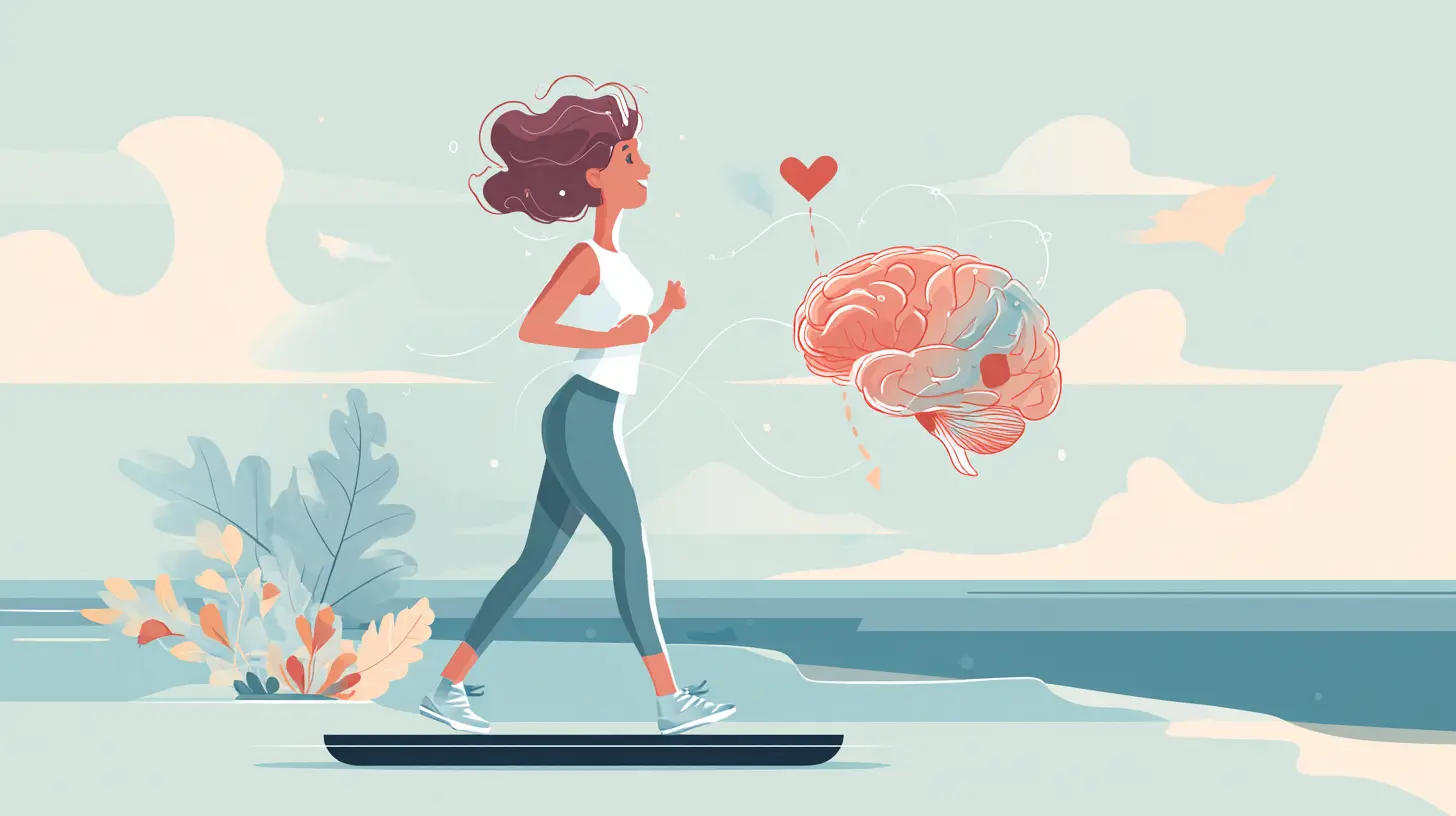
Anxiety and Depression Take the Back Seat
Let’s get real for a second — anxiety and depression are tough. But science backs up something super encouraging: regular physical activity can be just as effective as medication for mild to moderate depression. Yep, you read that right.This doesn’t mean you should toss your meds or skip therapy — not at all. But exercise can be a powerful tool in your mental wellness toolbox.
Movement increases sensitivity to serotonin and dopamine, both of which are low in people struggling with depression. It also enhances neuroplasticity — your brain’s way of rewiring and healing. So when you move, you're literally helping your brain reshape itself. How cool is that?
Boosting Self-Esteem One Squat at a Time
Ever crushed a tough workout and walked out like you're the main character in a movie? That’s your self-esteem having its glow-up moment. Physical activity makes you feel accomplished, and that sense of “Hey, I did that!” spills over into other areas of life.Even small wins, like stretching for five minutes or walking around the block, can pump up your confidence. You don't need to hit the gym for two hours — just do what feels good for your body, and your mind will thank you.
Sleep Like a Baby Again (Finally!)
Ah, sleep — that elusive unicorn. If you’ve ever laid awake at 3 a.m. counting sheep and ceiling tiles, this one’s for you. Regular physical activity improves sleep quality by helping you fall asleep faster and stay asleep longer.Exercise regulates your circadian rhythm — your internal clock that tells your body when to wake up and when to crash. Plus, when your body is physically tired, your brain is more likely to chill out instead of replaying that awkward convo from eighth grade.
Pro tip: Just don’t work out too close to bedtime, or you’ll be more pumped than peaceful.
Social Sweat = Happy Vibes
Ever been to a group fitness class and ended up high-fiving a total stranger? There’s something magical about sweating it out together. Group workouts, team sports, or even walking with a friend can give you a big ol’ boost of social connection.Loneliness and social isolation are huge factors in mental health struggles. So when you get active with others, you're not just moving — you're bonding. And shared struggle (like surviving a spin class) builds powerful connections.
Mental Clarity & Focus: Your Brain’s Favorite Side Effect
Got mental fog thicker than grandma’s gravy? Physical activity sharpens your cognitive skills like memory, attention, and decision-making. It increases blood flow to the brain and grows new neurons — the smarty-pants kind.Walking meetings, anyone? A mid-day stroll might just spawn your next brilliant idea. Many creative geniuses (looking at you, Steve Jobs) swore by the power of walking for unlocking mental clarity.
Physical Activity Doesn’t Have to Mean “Workout”
Let’s squash a myth here — you don’t need to hit the gym to get the benefits. Physical activity is anything that gets you moving. Gardening, dancing in your pajamas, walking the dog, or even enthusiastic house cleaning totally count.The goal? Move in ways that feel joyful, not punishing. If you hate burpees, don’t do burpees. Love roller skating or taking walks in nature? Do more of that. Mental wellness thrives on sustainable routines, not guilt-fueled workouts.
Starting Small: It Totally Counts
If you're thinking, “But I haven’t exercised in years,” no worries! The cool thing about the brain-body relationship is that it doesn't keep score. It just wants you to start — even a little.Start with 5 or 10 minutes a day. Dance while brushing your teeth. Do five yoga poses while your coffee brews. The magic is in the habit, not the intensity.
Small movement = big impact. Give yourself grace, and celebrate progress, not perfection.
Matching Movement to Your Mood
Some days, you're pumped for a long hike. Other days, you just wanna lie on the floor and sigh dramatically. Guess what? That’s normal. One of the best things you can do is to match your movement to your mood.Feeling anxious? Try something grounding, like yoga or walking. Feeling low energy? Gentle stretching or a little Qi Gong could help. Got pent-up frustration? Kickboxing, baby.
Listening to your body and adjusting your movement accordingly is not only kind — it’s powerful.
Mental Health Professionals Love It Too
Therapists and psychologists are increasingly recommending physical activity as a legit part of mental health treatment. It's called “behavioral activation” — the idea that engaging in positive behaviors (like movement!) can lift your mood and reduce symptoms of mental illness.Some therapists even practice “walk and talk” sessions. You get to move and process emotions at the same time — like multitasking for your mental health.
Real Talk: It’s Not a Cure-All, But It’s a Game-Changer
Let’s be clear — exercise isn’t a magical fix for everything. It’s not a replacement for serious medical treatment, therapy, or medication. But it’s a rock-solid piece of the mental wellness puzzle.Think of it like this: therapy gives you the tools, medication helps regulate the chemicals, and exercise is the daily maintenance that keeps everything running smoother. Triple threat!
Bringing It All Together
So, what’s the takeaway here? When you move your body, you're also moving your mood, your mind, and your mental health in a better direction. You don’t need fancy equipment, a gym membership, or a six-pack. You just need a willingness to take that first step — literally.Physical activity isn’t just about changing your body. It’s about supporting your brain, feeding your soul, and building a life that feels good to live.
Even on your worst days, a little movement can be a small spark of hope. And that, my friend, is powerful.
So the next time you’re feeling stuck, stressed, or stuck IN stress — try moving. Walk, dance, stretch, skip — whatever feels right. Your mind and body? They’ll love you for it.
Quick Tips to Get Moving for Mental Wellness
- Set a tiny goal. Start with 5–10 minutes a day.- Make it fun. Dance, skate, garden — yes, they all count.
- Grab a buddy. Accountability + social benefits = bonus!
- Mix it up. Try different activities to keep it interesting.
- Celebrate every win. Moving? That’s winning. Period.
all images in this post were generated using AI tools
Category:
Mental WellnessAuthor:

Gloria McVicar
Discussion
rate this article
1 comments
Angie Stevens
Great insights on the connection between movement and mood!
July 19, 2026 at 2:26 PM
Gloria McVicar
Thank you! I'm glad you found it insightful. Movement really does play a significant role in our mood.