Predicting Behavior with Brain Scans: Hype or Reality by 2026
19 April 2026
Let’s be honest, the idea is straight out of science fiction. A person slides into a humming, high-tech tube, a machine maps the intricate fireworks of their brain, and a scientist—or perhaps a government agent or corporate recruiter—nods knowingly. Ah, yes, they say, the amygdala shows elevated activity. This individual has a 73% probability of aggressive behavior in high-stress situations. It’s a compelling, thrilling, and frankly terrifying vision of the future. But as we stand here, looking toward 2026, we have to ask: are we on the cusp of a revolutionary tool for understanding human behavior, or are we drowning in a sea of neuro-hype? Is predicting behavior with brain scans an imminent reality, or just a sophisticated high-tech phrenology?
The answer, as is often the case in the messy, wonderful world of neuroscience and psychology, is not a simple yes or no. It’s a nuanced, complex, and rapidly evolving "it depends." By 2026, we won’t be reading minds like a book, but we might be getting pretty good at skimming the chapter titles and predicting the genre. The journey from hype to reality is a rocky one, paved with both breathtaking breakthroughs and sobering limitations.
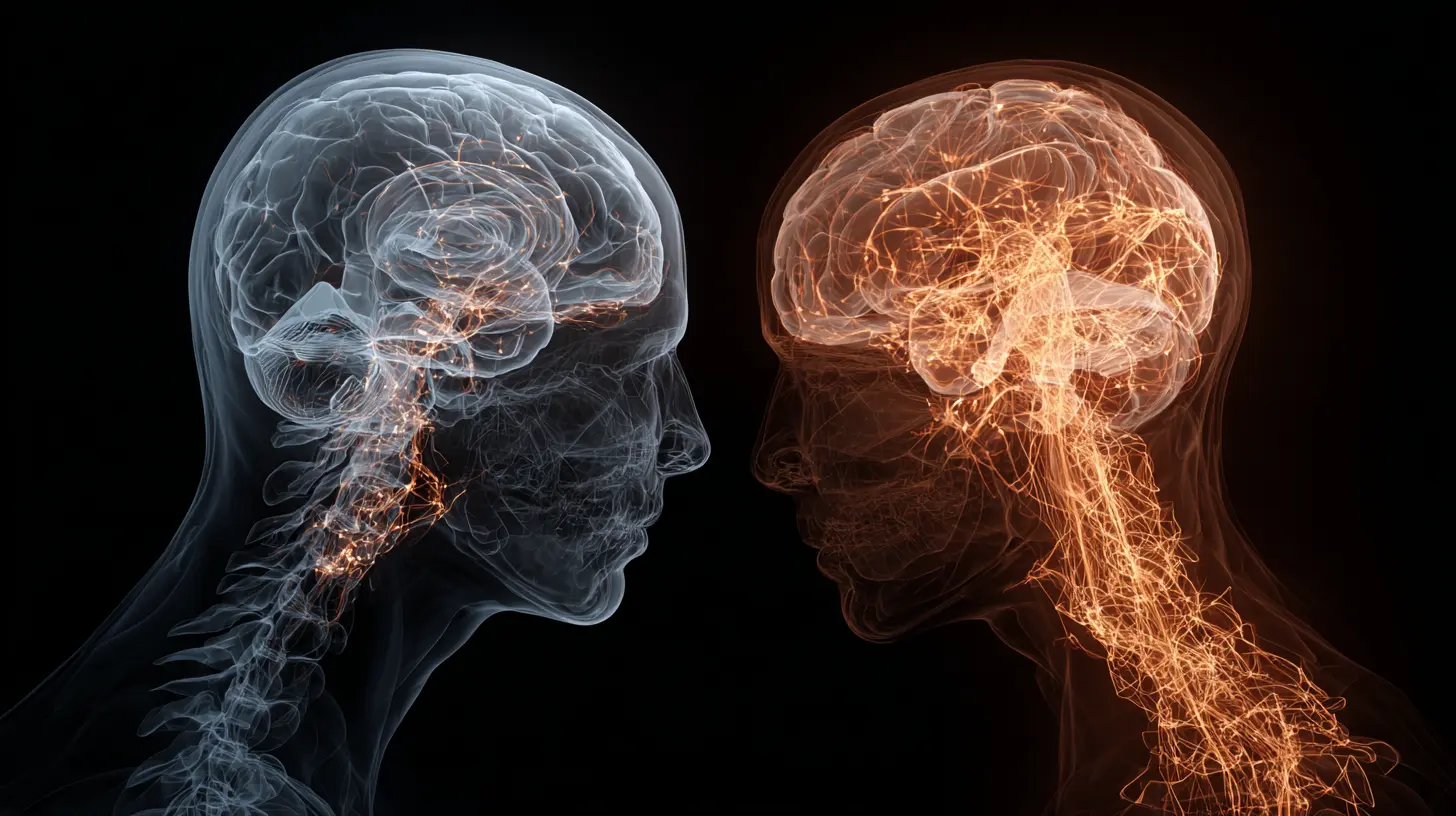
The Allure of the Living Brain: Why We’re So Captivated
First, let’s understand the hype. For centuries, psychology grappled with the "black box" problem. We could observe inputs (stimuli, experiences) and outputs (behaviors, emotions), but the machinery inside—the conscious and unconscious processes of the brain—remained shrouded in mystery. We relied on introspection, which is flawed, and observation, which is indirect.Then came functional magnetic resonance imaging (fMRI) and other neuroimaging techniques. Suddenly, we could watch the brain in action. We could see which neighborhoods lit up when someone felt love, made a risky decision, or recognized a face. It was like astronomers getting the Hubble Telescope after centuries of squinting through handheld lenses. The promise was intoxicating: to finally ground the abstract concepts of psychology—motivation, personality, psychopathology—in the solid, biological reality of blood flow and neural circuits.
The potential applications are what fuel both excitement and ethical panic. Imagine diagnosing depression or Alzheimer’s disease years before symptoms appear, based on a specific neural signature. Think about tailoring educational strategies to a child’s unique brain wiring, or rehabilitating criminals by targeting the neural pathways associated with impulse control. The hype isn't baseless; it’s built on genuine, paradigm-shifting science.
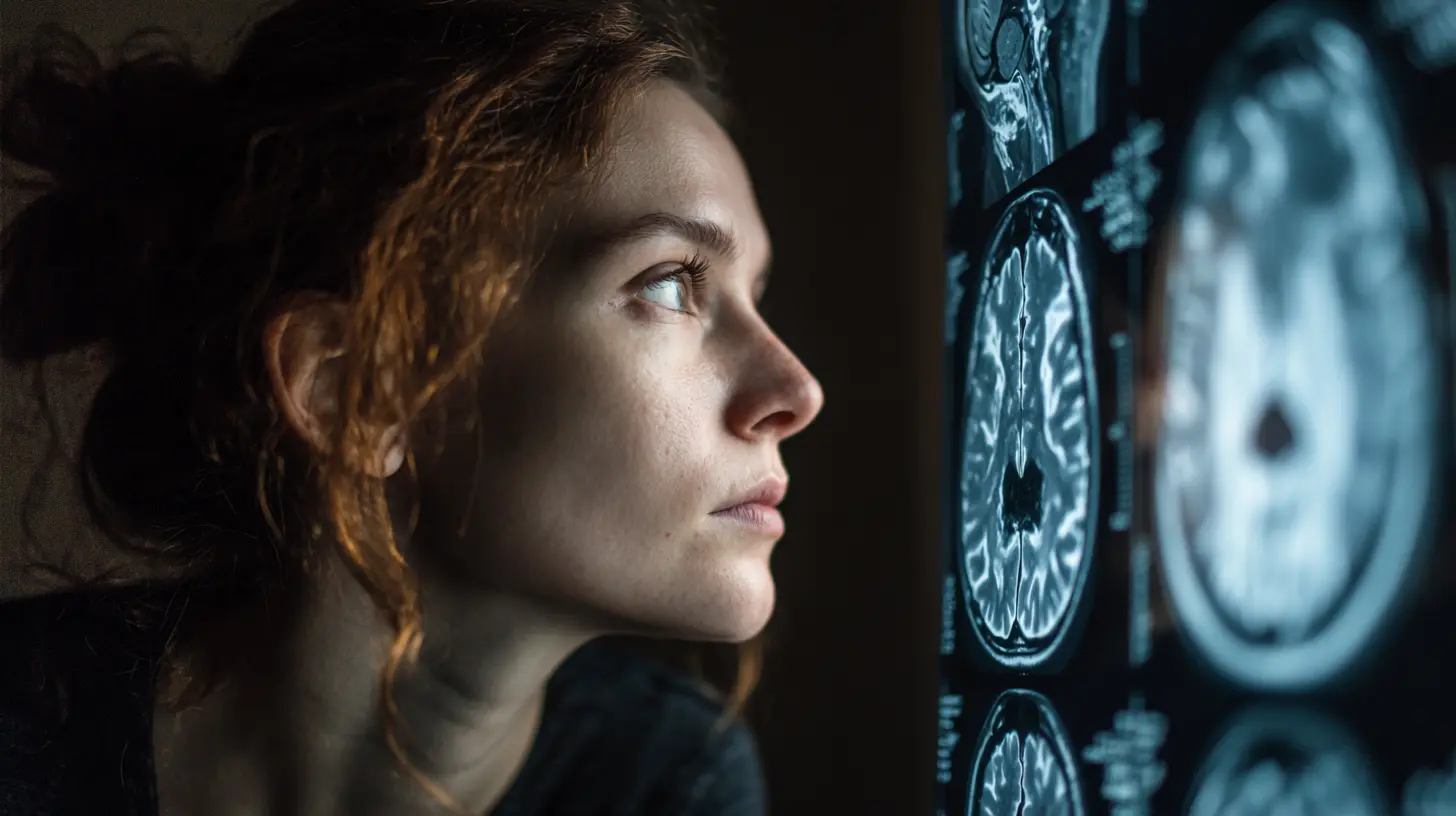
The Gaping Chasm Between Correlation and Prediction
Here’s where we hit the first major speed bump on the road to 2026. Most of what you hear about in popular science news is correlation, not prediction. An fMRI study might find that when 50 people experience fear, their amygdalae consistently show increased activity. That’s a powerful correlation. It tells us the amygdala is involved in fear. But can we reverse the process? Can we look at a single individual’s brain scan, see amygdala activity, and confidently predict they are feeling fear, or will act fearfully tomorrow? Not even close.Why? Because the brain is not a simple one-to-one circuit board. It’s more like a vast, interconnected orchestra playing a symphony of your life in real-time. The amygdala might fire up for fear, but also for surprise, intense focus, or even passionate excitement. This is the problem of reverse inference—inferring a specific mental state from brain activity alone is notoriously tricky. Seeing the violin section play doesn’t tell you if the piece is a mournful elegy or a joyful dance; you need the context of the whole orchestra and the score.
Furthermore, the vast majority of neuroimaging studies are done on small, homogeneous groups (often university undergraduates) in highly controlled lab settings. Predicting how a diverse 45-year-old will behave in the chaotic, unpredictable real world based on a scan they did while lying still and pressing buttons is a leap of monumental proportions. It’s like trying to predict a tiger’s hunting behavior by watching it sleep in a zoo enclosure.
The Tools in Our 2026 Toolkit: What’s Realistic?
So, if we can’t predict specific thoughts, what can we realistically hope for by 2026? The progress will likely be in these key areas:1. Probabilistic Forecasting for Groups, Not Certainty for Individuals
By 2026, brain scans will get much better at making statistical predictions for populations. Think of it like weather forecasting. A meteorologist can’t tell you exactly if it will rain on your head at 3:17 PM next Tuesday, but they can say, "There’s an 80% chance of precipitation in your region." Similarly, neuroscience may be able to say, "Individuals with this particular pattern of connectivity between the prefrontal cortex and the limbic system have a statistically higher likelihood of responding well to Cognitive Behavioral Therapy for anxiety." It’s a powerful tool for refining interventions, not for labeling individuals.2. The Rise of Multimodal Integration: Beyond the Pretty Pictures
The hype often focuses on fMRI’s colorful brain maps, but the real power by 2026 will come from multimodal integration. This means combining brain scans with a torrent of other data: genetic information, digital phenotyping from smartphones (sleep patterns, social activity, voice tone), lifelong environmental history, and detailed behavioral assessments. The brain scan becomes one crucial piece in a massive, complex puzzle. Artificial intelligence and machine learning will be the essential glue here, sifting through these immense datasets to find patterns no human could ever see. The prediction won’t come from the scan alone, but from the scan in context.3. Refining Diagnosis and Treatment in Psychiatry
This is perhaps the most promising and immediate application. Conditions like depression, schizophrenia, and PTSD are currently diagnosed based on clusters of symptoms—a method that hasn’t changed fundamentally in decades. By 2026, we may see the first widely accepted biomarkers from neuroimaging. For instance, a specific pattern of brain activity or connectivity might help distinguish between two subtypes of depression that look behaviorally similar but require completely different treatments (e.g., therapy vs. a specific medication). This is the move from "diagnosis by checklist" to "precision psychiatry."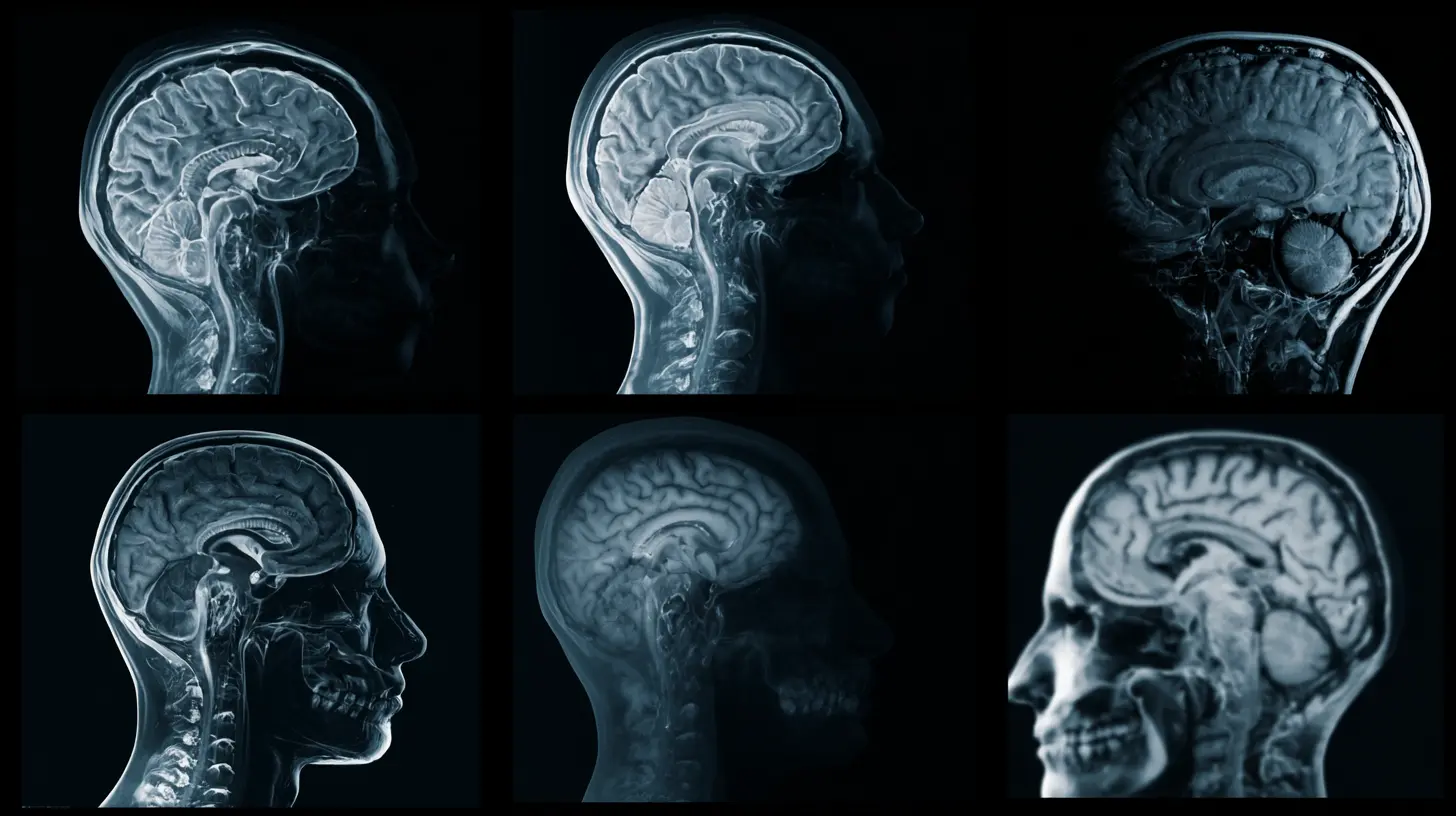
The Ethical Minefield: Why We Can’t Just Charge Ahead
Even if the technology advances, should we use it? This is the critical question that will dominate the conversation up to 2026 and beyond.* The Bias Problem: AI algorithms are only as good as the data they’re trained on. If our brain scan databases are mostly from wealthy, Western, educated individuals, the "predictions" will be flawed and discriminatory when applied to others. Could a scan unfairly tag a person from a different neurocultural background as "high risk"?
* Neuro-Determinism and the Self-Fulfilling Prophecy: If you are told your brain scan predicts a high likelihood of addiction or violence, how does that change your sense of agency? Could it become a self-fulfilling prophecy, limiting your own belief in your capacity for change? We must fiercely resist the idea that "my brain made me do it," eroding personal responsibility.
The Privacy Nightmare: Your brain data is the ultimate intimate information—the source code of you*. Who owns it? Could insurers demand a brain scan? Could employers screen for "neural stability" or "innovative potential"? The potential for a new, terrifying form of discrimination is real.
The Verdict for 2026: A Powerful Lens, Not a Crystal Ball
So, where does this leave us as we peer toward 2026?The hype of mind-reading and exact behavioral prediction will remain just that—hype. We will not have courtroom scanners determining guilt or HR departments hiring based on neural "team-player" scores.
The reality, however, will be profoundly significant. Brain scanning, especially when integrated with other data and advanced analytics, will transition from a pure research tool to a powerful clinical and diagnostic aid. It will help us move from treating broad diagnostic categories to understanding individual neurobiological profiles. It will offer probabilities and risks, not certainties and destinies.
Think of it this way: in 2026, a brain scan won’t be a crystal ball that shows your future actions. It will be more like a sophisticated, dynamic map of a unique landscape—your brain. It can show a clinician where the well-trodden paths (neural pathways) are, where the terrain is unstable, and where there might be roadblocks. It can suggest which therapeutic "routes" might be most effective for your particular landscape. But the journey—your choices, your efforts, your life experiences—will still be yours to make.
The goal by 2026 shouldn't be prediction for prediction's sake, or for control. The goal should be understanding for the sake of empowerment, compassion, and healing. If we can keep that ethical north star in view, then the reality, though less flashy than the hype, will be far more meaningful for the future of human psychology.
all images in this post were generated using AI tools
Category:
Brain And BehaviorAuthor:

Gloria McVicar
Discussion
rate this article
1 comments
Octavia McAuley
Ah, yes, because who needs free will when we can just read minds with fancy brain scans?
April 22, 2026 at 4:41 AM
Gloria McVicar
Fair point — but the key distinction is prediction, not control. The goal is insight, not invasion.