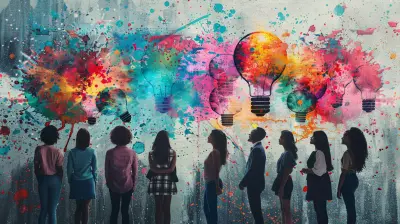
The Connection Between Creativity and Stress Relief
24 July 2026
Let’s face it—stress is pretty much a part of life. Whether we’re dealing with work deadlines, family responsibilities, or just the daily hustle and bustle, it sneaks into our lives like an unwelcome guest. But what if I told you that breaking out the paints, writing a short story, or even doodling in your notebook could actually help ease that tension?
Yup, that’s where creativity steps in like a superhero—with a paintbrush instead of a cape.
In this article, we’re diving deep into the powerful connection between creativity and stress relief. And no, you don’t need to be Picasso or Shakespeare. All you've got to do is get those creative juices flowing. Let’s break it down and talk about why being creative isn’t just fun—it’s therapeutic.
Why We Get So Stressed in the First Place
Before we jump into how creativity helps, let’s understand what we’re up against.Stress is our body’s natural response to challenges. It’s like our internal alarm system. A little bit of stress? That can be motivating. But constant stress? That’s where things start to go haywire.
When you're stressed, your body goes into fight-or-flight mode. Your heart races, your muscles tense, and your brain keeps pinging you with anxious thoughts. Over time, too much stress can mess with your sleep, mood, digestion—and even your immune system. Not pretty.
That’s why finding healthy ways to manage stress isn’t just a good idea—it’s necessary.
What Is Creativity, Really?
Now, let’s talk about creativity. Don't get trapped into thinking creativity only belongs to artists, musicians, or writers. Nope. Creativity is simply the ability to think outside the box, to make something new, to express yourself in a way that feels real and personal.That could mean baking cookies with a twist, rearranging your furniture, or journaling your thoughts. It's less about talent and more about expression.
So, how does this tie into stress relief? Let’s connect the dots.
The Brain on Creativity: What’s Happening Up There?
When you engage in creative activities, your brain lights up in some pretty awesome ways. Here's what’s going on:- Focus shift: Creativity pulls your attention away from your worries and into the moment. It’s a mental vacation from your stress.
- Dopamine release: Doing something creative (especially something you enjoy) triggers the release of dopamine—the "feel-good" neurotransmitter. We all could use a hit of that, right?
- Flow state: Ever been so into something that you lost track of time? That’s called “flow.” It’s a powerful state where your brain is fully engaged, and your self-doubt and stress take a backseat.
- Mind-body harmony: Engaging in creative tasks can lower heart rate and blood pressure, reduce muscle tension, and bring about calmness.
Bottom line? Your brain loves creativity. And it's grateful for the break from stress overload.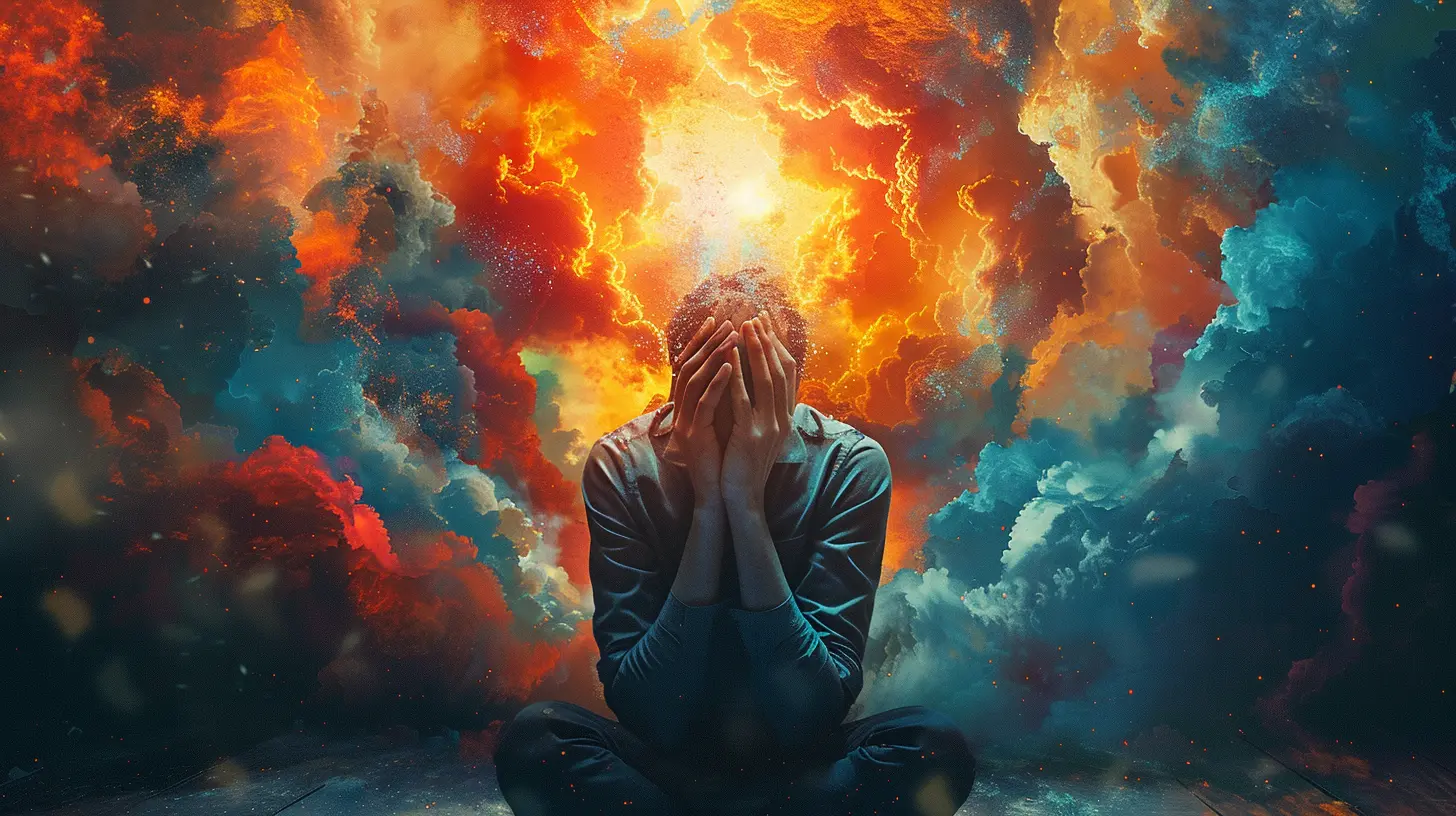
The Science Speaks: Creativity as a Natural Stress Buster
If you’re into research—or just want proof—there’s plenty of evidence to back up the benefits of creativity for mental health.- A 2016 study published in Art Therapy found that just 45 minutes of creative activity significantly reduced cortisol (aka the stress hormone) in participants.
- Another study from Frontiers in Psychology showed that expressive writing (like journaling) improves mood and reduces anxiety.
- Engaging in music, even passively (like listening), has been linked to lower stress levels and better emotional regulation.
It’s not just feel-good fluff. It's science-backed.
Different Creative Outlets That Help Beat Stress
The cool part? There are so many ways to be creative. Let’s go over a few options that can help take the edge off your stress:1. Drawing or Painting
You don’t need fancy supplies. Grab a pencil, a few markers, or some paint. Let your mind wander. It’s not about the result; it’s about the process.2. Journaling
Ever felt better just by writing things down? Journaling helps you untangle your thoughts and make sense of your emotions. Bonus points for gratitude journaling—it shifts your focus to what’s going right.3. Music
Whether you're playing an instrument, singing in the shower, or curating playlists, music connects us to our emotions like nothing else.4. Dance or Movement
No choreography needed. Just put on music and move your body. Dancing can release built-up energy and lift your mood (think of it as a happy workout).5. DIY Projects and Crafts
Knitting, origami, scrapbooking, fixing up an old bookshelf—these hands-on tasks bring a deep sense of satisfaction and keep your mind engaged.6. Creative Writing
Write a poem, a short story, or even fanfiction. Let your imagination wander. Writing can be a safe space to deal with tough emotions.You Don’t Have to Be “Good” at It
Let’s get something straight—this isn’t about being “artsy” or producing something Instagram-worthy. Creativity for stress relief isn’t about impressing anyone.The goal is to express, not to perform.
Even finger painting or scribbling has benefits. Give yourself permission to play. Remember how carefree it felt to color as a kid? That’s pure stress relief in its rawest form.
Creating a “Stress-Relief Ritual” Around Creativity
Want to make creativity a regular stress-busting routine? Here are some tips to make it stick:- Set a time: Make space in your day, even if it’s just 15 minutes. Call it “me time.” Treat it like an appointment.
- Create a cozy space: Light a candle, put on calming music, get comfy. Your space sets the mood.
- Turn off distractions: Yep, that means no scrolling. Let your brain fully dive in.
- Be kind to yourself: Don’t judge the outcome. This is for you—not for Pinterest.
Real Life Stories: How Creativity Helped Others
Sometimes, hearing how it’s helped others makes the idea more real:- Maya, a 32-year-old nurse, started painting watercolors during the pandemic. “It gave me something to look forward to after super long shifts. I’d lose myself in the colors. It calmed my nerves in a way nothing else could.”
- James, a dad of two, started journaling before bed. “I used to lie awake with racing thoughts. Writing it all out helped me unload mentally—and I sleep way better now.”
- Emily, a college student battling anxiety, discovered clay sculpting. “It’s messy, but that’s kind of the point. It helped me connect to the present moment and gave my hands something to do besides fidget.”
See? Everyone’s creative path looks different. And that’s a beautiful thing.
Kids Do It Naturally—Adults Can Relearn It
Ever watched a child draw with crayons? They don’t care about “looking silly” or “doing it right.” They just create. Somewhere along the way, we adults lost touch with that playful, free-spirited side.But guess what? It’s not gone. It’s just been buried under bills and responsibilities.
Creativity gives you permission to explore that side of yourself again. And in doing so, you can lighten the emotional load you’ve been carrying around.
When Creativity and Therapy Combine
You might’ve heard of things like art therapy, music therapy, and dance therapy. These are actual, structured forms of psychotherapy where creativity plays center stage.Working with a licensed therapist, people use creative methods to process trauma, express emotions, and build coping mechanisms. Art therapy, in particular, isn’t just for "artists"—it's for anyone struggling to put emotions into words.
So if you're looking for deeper healing, combining creativity with professional support might be the perfect blend.
Final Thoughts: Paint Your Way to Peace
So here’s the deal—life gets messy. Stress shows up uninvited. But guess what? You’ve got tools to fight back. And creativity is one of your strongest allies.It gives your mind a break, your emotions a voice, and your soul a hug.
The next time you’re feeling overwhelmed, step away from the chaos, pick up something that fuels your creative spark, and just start. Even a few minutes can make a world of difference.
And hey, you might just create something beautiful in the process.
all images in this post were generated using AI tools
Category:
Stress ReliefAuthor:

Gloria McVicar