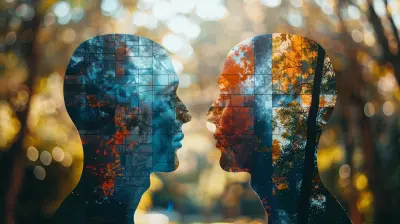
The Silent Struggle: How Emotional Dependency Affects Relationships
20 February 2026
Let’s face it—loving someone can be one of the most beautiful experiences in life. But what happens when love starts feeling more like a need than a want? That’s where things get tricky. Emotional dependency is one of those silent struggles that creeps into relationships, often unnoticed until the weight of it starts pulling everything down.
If you’ve ever felt like you couldn’t breathe without your partner, or that your happiness is completely tied to someone else's moods or actions, then you might be caught in the web of emotional dependency. You’re not alone—many people find themselves there without even realizing it.
In this article, we’re going to have an honest, no-fluff conversation about emotional dependency—how it shows up in relationships, why it’s so damaging, and what you can do about it.
What Is Emotional Dependency, Really?
Let’s break this down in simple terms. Emotional dependency is when your self-worth, happiness, or sense of identity relies heavily—or even entirely—on someone else. It’s feeling like you absolutely need someone to feel okay about yourself.Think of it like emotional oxygen. Instead of breathing freely on your own, you’re clinging to someone else’s air mask, hoping they don’t walk away and leave you gasping. That’s a heavy load to put on any relationship.
This isn’t just about love. Emotional dependency often stems from deep-rooted fears—fear of abandonment, rejection, being alone, or not being good enough. These fears start showing up like uninvited guests, whispering things like, “If they leave, I’ll be nothing.”
Early Signs of Emotional Dependency
It’s called "silent" for a reason. Emotional dependency doesn’t slam into your relationship like a hurricane—it seeps in like a slow leak. At first, it might even look like intense love or devotion. But here are some signs that something deeper might be going on:1. Constant Need for Reassurance
“Do you still love me?” “Why didn’t you text me back right away?” “Are you mad at me?” When these types of questions are constant, it’s not always about communication—it might be about clinging to validation.2. Fear of Being Alone
Ever stayed in a relationship just because the thought of being single terrified you? That’s a big red flag. Being alone shouldn’t feel like emotional death.3. Prioritizing Their Needs Over Everything
There’s compromise, and then there’s completely losing yourself. If your partner's needs always come first to the point where you’re neglecting your own well-being, that's not healthy.4. Losing Your Sense of Self
When your hobbies, friends, beliefs, or even values start to fade away because you're molding yourself into what you think your partner wants, that's emotional dependency at work.5. Extreme Reactions to Distance or Conflict
A simple disagreement might feel like the end of the world. If they need space or even just go quiet for a bit, you might spiral into panic, assuming they’re going to leave.
Where Does Emotional Dependency Come From?
Nobody wakes up one day thinking, “I want to be emotionally dependent.” It’s usually something that grows out of past wounds.Childhood Experiences
Let’s go way back. If you grew up in an environment where love was inconsistent—maybe you had emotionally unavailable parents or were constantly chasing approval—then you may have learned early on that love had to be earned or clung to tightly.Trauma and Abandonment
If you’ve been through betrayal, heartbreak, or abandonment, emotional dependency can become your armor. It’s like your emotional brain thinks, “If I just hold on tighter next time, maybe they won’t leave.”Low Self-Esteem
When you don’t see your own value, it’s easy to look for someone else to define it for you. Partners become mirrors, and if they’re not reflecting something good, you feel shattered.
The Ripple Effects on Relationships
You might think emotional dependency just affects the dependent person—but it sends shockwaves through the whole relationship.The Pressure Cooker Effect
When one partner relies entirely on the other for emotional stability, the relationship becomes suffocating. The dependent partner feels constantly anxious, while the other feels overwhelmed and trapped. That’s a recipe for burnout.The Power Imbalance
Often, the emotionally dependent partner gives up their control in the relationship, allowing the other to take the lead on everything—from big decisions to emotional boundaries. And that imbalance can lead to resentment on both sides.Lack of Genuine Intimacy
Ironically, emotional dependency can destroy the very thing it craves—connection. When one person is always seeking validation, the relationship becomes more about fear than love. True intimacy needs space to breathe. It needs honesty, not performance.Emotional Dependency vs. Healthy Attachment
Let’s clear up a common confusion—being attached to someone and being dependent on them aren't the same thing.In a healthy bond, two people support each other, but they also have their own lives, goals, and identities. You can lean on each other, sure—but you’re also standing on your own.
In emotional dependency, it’s more like one person is leaning so hard that if the other stepped away, they’d fall flat on their face.
Ask yourself:
- Can I be happy on my own?
- Do I know who I am outside of this relationship?
- If this person left, would I still feel valuable?
If your answers make you uncomfortable, it might be time to start re-evaluating how your emotional world is structured.
Why It’s So Hard to Break Free
Here’s the kicker—emotional dependency isn’t just a mindset. It’s a habit. It becomes part of how you relate to yourself and others. And like any habit, it can be incredibly hard to break, especially when it’s tangled up in fear.Breaking the cycle means pushing into discomfort. It means facing that shaky, scary space where you’re not sure who you are without someone holding you up. But trust me—it’s worth it.
How to Heal Emotional Dependency
Let’s talk solutions. Emotional dependency isn’t a life sentence. There’s no magic formula, but healing starts with awareness and intentional action.1. Start Building Self-Awareness
Pay attention to your emotional patterns. When do you feel the most anxious in your relationship? What triggers those feelings? Journaling or even talking it out with a therapist can help shine a light on those deep fears.2. Reconnect With Yourself
What makes you feel alive that doesn’t involve your partner? Maybe it's painting, dancing, writing, hiking, or just binge-watching your favorite show without anyone else around. Do more of that.3. Set Healthy Boundaries
Boundaries get a bad rap, but they’re not about pushing people away—they’re about protecting your mental and emotional space. Learn to say no. Learn to ask for space. You’re allowed to take care of you.4. Work on Self-Esteem
Your worth isn’t up for debate. Start affirming that daily. Identify your strengths. Celebrate your wins, however small. Surround yourself with people who lift you up, not pull you down.5. Seek Professional Support
Therapy can be life-changing. A good therapist can help you untangle the root causes of your dependency and give you tools to rebuild a healthier emotional life.What a Healthy Relationship Looks Like
Here’s the goal: a relationship where both partners can stand alone and still choose each other. Where love is about connection, not survival. Where your identity isn’t swallowed up by someone else’s presence or absence.In a healthy relationship:
- You trust each other without constant proof.
- You communicate without fear of abandonment.
- You support each other, but don’t act as each other’s emotional crutch.
- You both keep growing—as individuals and as a couple.
That kind of love is possible. But it starts with doing the inner work first.
Final Thoughts: Choosing Love Over Dependency
Emotional dependency doesn’t make you weak. It just means you’ve got some emotional stuff to unpack—and that’s okay. We’re all a little messy on the inside.But recognizing this silent struggle is the first—and arguably the most powerful—step toward change. Because once you stop trying to fill your emotional cup from someone else’s pitcher, you can start pouring from your own.
So the next time you feel yourself clinging too tight, ask: Is this love—or fear? Then take a deep breath, loosen your grip, and start walking toward emotional freedom.
You deserve a love that lifts you, not one that props you up. And you definitely deserve to feel whole—with or without anyone else by your side.
all images in this post were generated using AI tools
Category:
Emotional DependencyAuthor:

Gloria McVicar
Discussion
rate this article
2 comments
Seth Johnson
Emotional dependency can significantly strain relationships, often leading to imbalances that hinder healthy dynamics. It’s crucial for individuals to recognize these patterns and seek self-awareness to foster personal growth. Addressing dependency issues can lead to healthier connections, enhancing communication and promoting mutual support between partners in a relationship.
March 5, 2026 at 5:15 PM
Rhea Ross
In shadows cast by silent need, Hearts entwined in quiet plead, Love’s embrace, a fragile thread, Dependency where dreams are bred. Yet through the depths of longing’s plight, The path to freedom shines with light— To heal, to grow, to stand as one, In balance, where true love is spun.
February 23, 2026 at 5:40 PM
Gloria McVicar
Thank you for your poetic reflection on emotional dependency. It beautifully captures the complexities of love and the importance of balance for healthy relationships.