How to Involve Youth in Mental Health Advocacy
25 February 2026
Mental health is something we’re talking about more than ever, but there’s still a long way to go—especially when it comes to getting young people involved. The truth is, youth are not just the future; they’re also the present. Their voices matter, and their energy can be a game-changer in mental health advocacy.
But how do we get them involved? How do we empower young people to take a stand, share their stories, and push for meaningful change? Let’s dive into some practical ways to engage youth in mental health advocacy and create a movement that truly makes a difference. 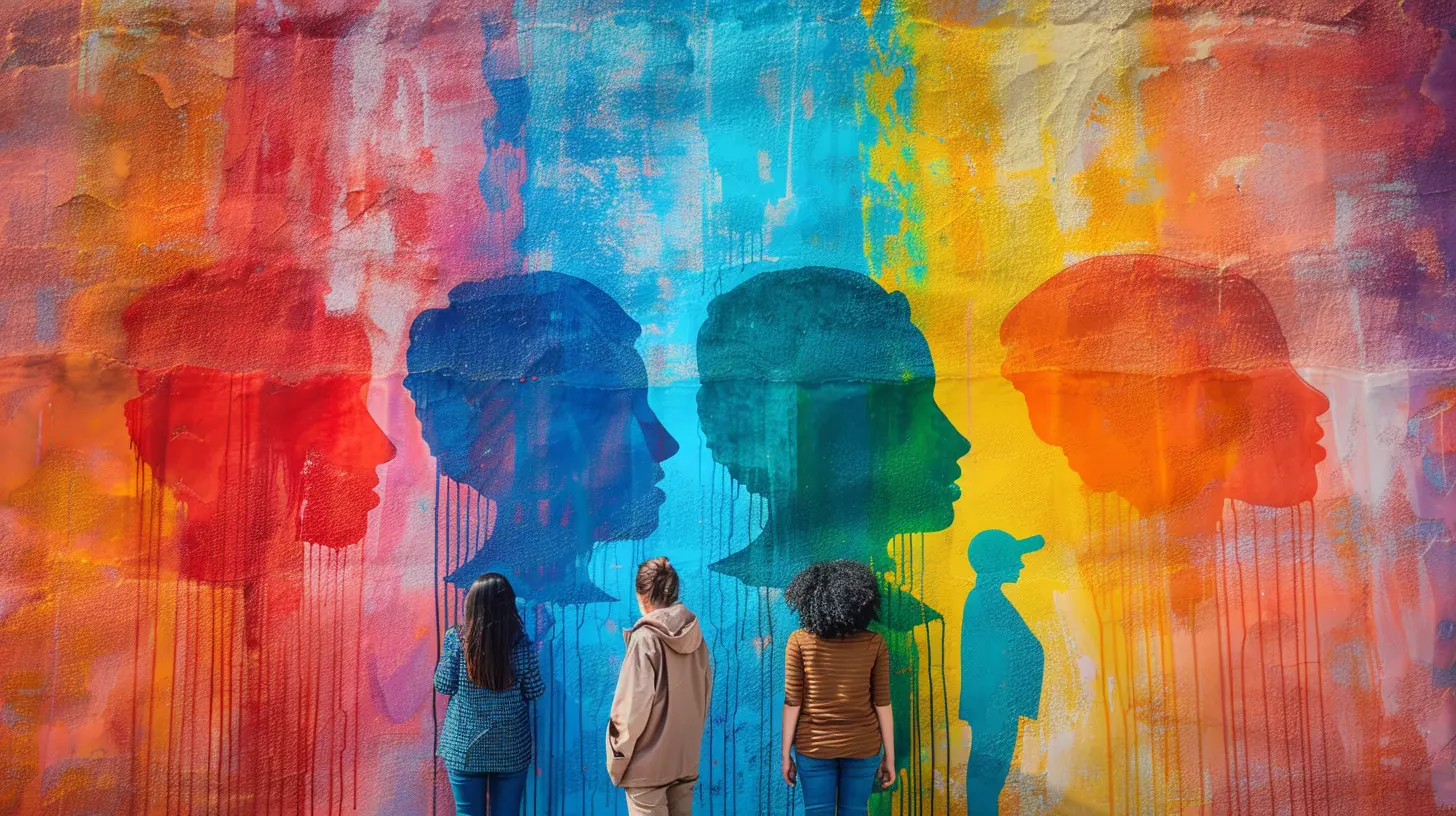
Why Youth Involvement Matters
Before we get into the "how," let's talk about the "why." Why is it so important to get young people involved in mental health advocacy?1. They Bring Fresh Perspectives – Youth experience mental health challenges differently than older generations, and their insights can lead to innovative solutions.
2. They Break the Silence – When young people speak openly about mental health, they help normalize the conversation for their peers.
3. They Influence Each Other – Teens and young adults are more likely to listen to their friends than authority figures. By getting involved, they can drive change from within their communities.
4. They’re the Leaders of Tomorrow – The more they engage now, the more prepared they'll be to advocate for mental health in the future.
Clearly, youth involvement is crucial. Now, let's talk about how to make it happen. 
1. Foster Open Conversations
Too often, mental health is still considered taboo. We need to break that cycle by creating safe spaces where young people can speak openly without fear of judgment.- Schools can hold mental health awareness days to start discussions.
- Community groups can host peer support meetings.
- Social media campaigns can encourage young people to share their experiences.
When young people see that it’s okay to talk about mental health, they’ll be more likely to get involved in advocacy. 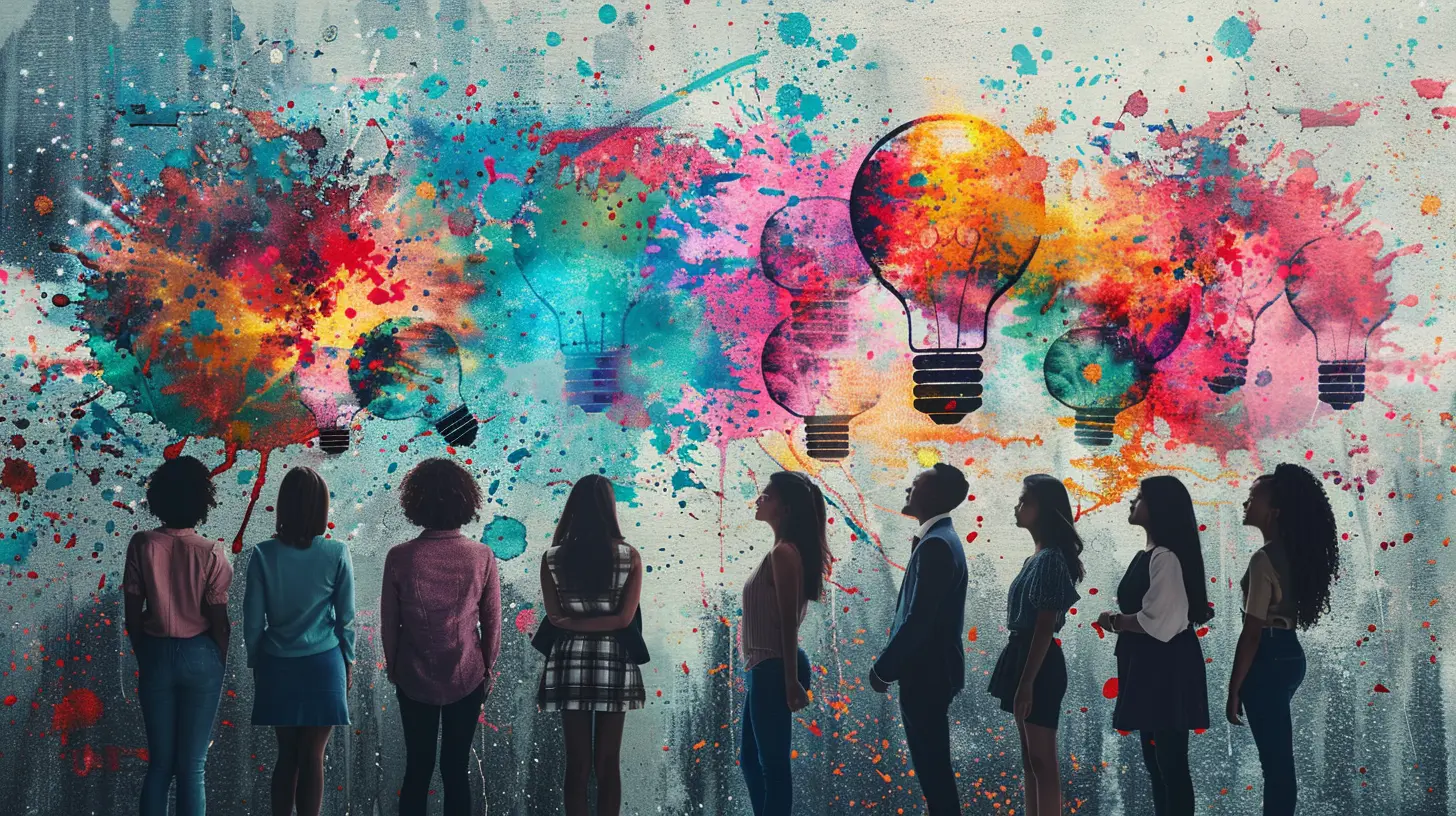
2. Use Social Media to Amplify Their Voices
Let’s be real—if you want to reach young people, you’ve got to meet them where they are. And where are they? On social media.Platforms like Instagram, TikTok, and Twitter (or X) are powerful tools for spreading awareness. Here’s how youth can use them for advocacy:
- Share Personal Stories – Nothing is more powerful than a real-life experience.
- Create Engaging Content – Videos, infographics, and memes can capture attention and educate at the same time.
- Start Hashtags – A catchy hashtag can unite people around a cause and make it go viral.
Encouraging young people to use these platforms for good can turn social media into a force for mental health advocacy. 
3. Provide Leadership Opportunities
If you want youth to stay engaged, give them real responsibility! When young people feel like their voices matter, they’re more likely to stay involved.Here are some ways to empower them:
- Create mental health ambassador programs at schools.
- Offer internships with mental health organizations.
- Allow youth to lead awareness campaigns.
Giving young advocates leadership roles makes them feel valued and invested in the cause.
4. Incorporate Mental Health Education into Schools
Most schools teach students about physical health, but what about mental health? Teaching young people about mental well-being gives them the knowledge they need to advocate for themselves and others.Some ways to introduce mental health education include:
- Adding mental health topics to the curriculum.
- Inviting mental health professionals to speak at schools.
- Training teachers and staff to recognize signs of mental distress.
Education is power, and when youth understand mental health, they’re more likely to step up and advocate for it.
5. Encourage Peer Support Programs
Sometimes, young people just need someone who "gets it." That’s why peer support programs can be so effective. When youth can talk to others who have been through similar struggles, they feel less alone and more empowered.Ways to encourage peer support include:
- Establishing peer mentoring groups.
- Creating student-run mental health clubs.
- Training youth to be mental health first aid responders.
These programs show young people that they’re not alone—and that they have the power to support one another.
6. Connect Them with Role Models
Youth often look up to influencers, celebrities, and activists. Seeing someone they admire talk about mental health can inspire them to get involved themselves.Some ways to connect youth with role models:
- Hosting Q&As with mental health advocates.
- Sharing videos and interviews of influential people discussing mental health.
- Encouraging mentorship programs that pair young advocates with experienced professionals.
When youth see others making a difference, it motivates them to do the same.
7. Involve Them in Policy Change
Advocacy isn’t just about raising awareness—it’s also about creating real change. Young people can have a huge impact when they get involved in policy discussions.Ways they can participate include:
- Writing to lawmakers about mental health policies.
- Joining youth advisory boards that influence mental health legislation.
- Speaking at public forums to share their experiences.
When young people realize they can influence policy, they’ll feel more empowered to take action.
8. Make Advocacy Fun and Engaging
Let’s be honest—if something feels like a chore, most young people won’t stick with it. That’s why mental health advocacy should be engaging and even fun.Some creative ways to make advocacy enjoyable:
- Music and Art Initiatives – Organizing concerts, poetry slams, and art exhibits around mental health awareness.
- Workshops and Retreats – Hosting events that mix advocacy with bonding and personal growth.
- Gamifying Advocacy – Creating challenges, competitions, and rewards for participation.
When advocacy is something young people enjoy, they’re more likely to stay committed.
Conclusion
Getting young people involved in mental health advocacy isn’t just beneficial—it’s essential. They have the passion, creativity, and unique perspectives needed to make a real impact.By fostering open conversations, leveraging social media, providing leadership opportunities, and making advocacy engaging, we can empower youth to take a stand for mental health.
So, let’s ask ourselves: How can we better support and amplify young voices in this movement? Because when youth lead the charge, real change happens.
all images in this post were generated using AI tools
Category:
Mental Health AdvocacyAuthor:

Gloria McVicar
Discussion
rate this article
2 comments
Colt Moses
Empower youth voices; they drive real change in advocacy.
March 10, 2026 at 4:38 PM
Gloria McVicar
Absolutely! Engaging youth not only brings fresh perspectives but also inspires action and connection in mental health advocacy. Their voices matter.
Kassandra Gutierrez
This article beautifully highlights the importance of empowering youth in mental health advocacy. By actively involving them, we not only give them a voice but also nurture resilience and understanding. Together, we can break the stigma and foster a supportive community for all.
February 26, 2026 at 3:27 AM
Gloria McVicar
Thank you for your insightful comment! Empowering youth is indeed crucial for promoting mental health advocacy and breaking stigma. Together, we can make a meaningful impact!