The Connection Between Behavioral Psychology and Emotional Intelligence
22 April 2026
Ever stopped to wonder why some people just get it emotionally? Like, they know exactly what to say, when to say it, and how to keep their cool during tough times? They’re not superheroes. They’re emotionally intelligent—and chances are, they’re unknowingly tapping into principles straight out of behavioral psychology.
In this deep dive, we're going to unpack the juicy, mind-blowing connection between behavioral psychology and emotional intelligence. These two fields aren’t just related—they’re tightly intertwined like headphones in your pocket. Let’s break ‘em down and figure out how understanding this connection can make you sharper, more self-aware, and honestly, easier to be around.
What the Heck is Behavioral Psychology?
Let’s start with the basics. Behavioral psychology, also known as behaviorism, is all about how we behave. It focuses on observable actions rather than thoughts or emotions. Think Pavlov’s dog salivating at a bell, or Skinner’s rats learning to press a lever for a treat. Behavioral psychologists believe we do things because of reinforcement, punishment, conditioning—you get the idea.You react a certain way in traffic because you’ve been conditioned to. You might flinch when your phone rings because of bad news in the past. Behaviors = learned, not always consciously chosen.
So, essentially, behavioral psychology is like the instruction manual for human habits, reactions, and patterns.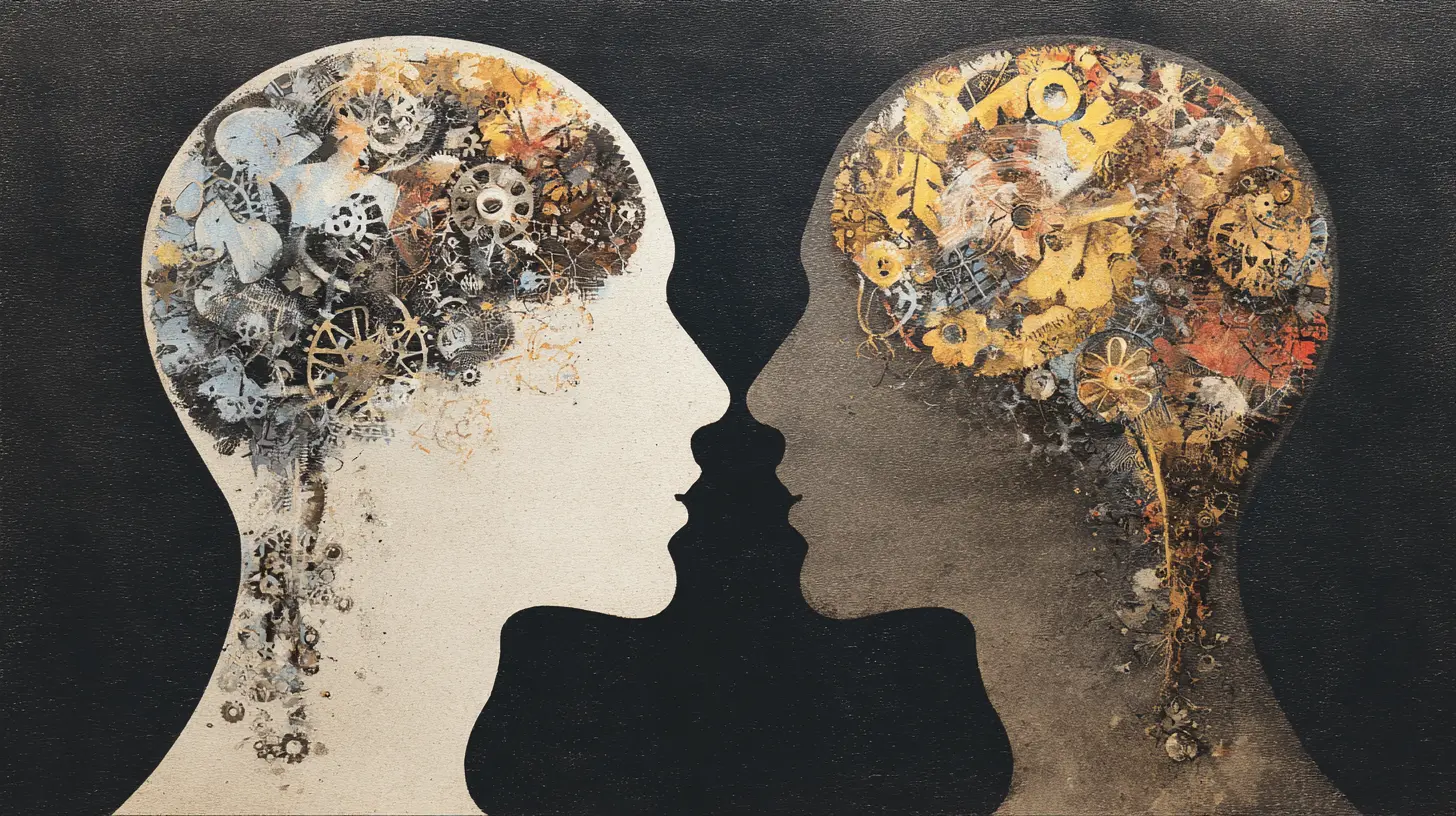
Emotional Intelligence: More Than Just a Buzzword
Now let’s talk emotional intelligence—or EQ, for those in the know. This isn’t just about feelings. It’s about recognizing, understanding, and managing your own emotions, as well as empathizing with others. It's emotional street smarts.Daniel Goleman (think: the godfather of EQ) broke it down into five parts:
1. Self-awareness
2. Self-regulation
3. Motivation
4. Empathy
5. Social skills
Sound like superhero qualities, right? People with high EQ tend to be better at managing relationships, navigating conflicts, and staying cool under pressure.
But how do they get that way? That’s where behavioral psychology enters the chat.
Where Behavioral Psychology Meets Emotional Intelligence
Alright, here's where things start to click. Behavioral psychology explains the why and how behind your actions—while emotional intelligence gives you the tools to manage those actions and reactions.Let’s break it down.
1. Conditioning & Emotional Responses
Remember classical conditioning? Yeah, the dog-bell-food experiment. It turns out, we’re all kind of like Pavlov’s dogs.Let’s say you had a demanding boss who yelled every time you were five minutes late. Now, years later, even when you hear a similar tone of voice from someone else, you tense up. You're not reacting logically—you’re reacting habitually. That’s behavioral psychology in action.
But emotional intelligence? That’s your ability to:
- Notice the tension in your body (self-awareness)
- Reframe your irrational reaction (self-regulation)
- Stay calm and respond instead of react (social skills)
Key takeaway: EQ builds on these behavior patterns. It gives you the toolkit to reset them.
2. Positive Reinforcement and Self-Motivation
B.F. Skinner made a big deal about operant conditioning—basically, reward-based behavior. Do something good, get a reward? You'll probably do it again.Here’s the crossover: High EQ individuals often self-motivate. How? Instinctively, they engage in self-reinforcing behaviors. They celebrate small wins. They reframe setbacks. They understand how to condition themselves emotionally.
Want to become more self-motivated? Think like a behavioral psychologist. Reinforce your own good behavior. Give yourself mental gold stars. Pavlov might be rolling in his grave with pride.
3. Social Learning Theory and Empathy
Albert Bandura (if you skipped psych class, no worries) talked about social learning. That’s learning by observing others. Monkey see, monkey do—but make it human and emotional.Let’s say you grew up watching your parents resolve conflicts calmly. You’re likely better at handling disputes with grace. That’s learned behavior—straight from behavioral psychology.
But here’s the twist: If you didn’t have those role models, high EQ helps you still learn those skills through empathy and self-reflection. It gives you the ability to step into another’s shoes, even if you never walked in them yourself.
So yeah, empathy isn't magic—it's a learned behavior, too.
4. Habit Formation and Self-Regulation
Let’s get real. Most of us suck at self-control. Whether it's hitting snooze or blasting someone in traffic, our automatic behaviors run the show.Behavioral psychology says this is all about habits. Cues, routines, rewards—it’s a loop.
EQ steps in like your wise older sibling: "Hey, you can actually change those habits." Self-regulation is essentially the emotional version of habit-hacking. You learn to spot a trigger (like stress), break the loop (pause instead of explode), and replace it with a healthier response.
It’s not willpower—it’s reconditioning.
How to Use Behavioral Psychology to Boost Your EQ
Now that we’ve connected the dots, how do you use this knowledge in real life? Let’s get actionable.A. Observe Your Own Behavior
Start by being your own behaviorist. Notice your patterns. Do you always shut down during conflict? Do you lash out when criticized?Patterns don’t lie. If you can identify them, you can change them.
B. Use Positive Reinforcement
Reward yourself when you act with emotional intelligence. Did you pause before reacting? Celebrate that win. Brain chemistry likes rewards—it’ll wire that positive behavior in tighter than your grandma’s hugs.C. Reframe Mental Triggers
Condition your mind to respond differently to old triggers. If traffic used to make you angry, now use it for self-reflection. Or throw on a killer podcast. Change the association, change the behavior.D. Mirror High EQ Behavior
You don’t need everything figured out. Start by mimicking emotionally intelligent people. How do they act in conflict? How do they ask questions? Behavioral psychology says observation is one of the fastest ways to learn.E. Track Your Progress
Last one—and yeah, it sounds boring, but it works. Journaling or tracking your emotional reactions gives you real feedback. You’ll start seeing patterns, and once you’re aware—you’re in control.Why This Combo Is a Game-Changer
Here’s the bottom line: Behavioral psychology explains the "why" behind your reactions. Emotional intelligence teaches you how to respond better.Together? They make you unstoppable.
You’re no longer a puppet yanked around by your emotions or past conditioning. You’re the puppeteer now—pulling your own strings with awareness, intention, and growth.
Think of behavioral psychology as the map, and emotional intelligence as the compass. Alone, they’re helpful. Together, they get you exactly where you want to go in life—with fewer detours and blow-ups along the way.
Final Thoughts
Look, if you want to improve your relationships, increase your productivity, and feel better overall—this connection is your golden ticket. You don’t have to be a psychologist or a guru. Just someone who’s curious, willing to reflect, and open to rewiring old patterns.Behavioral psychology and emotional intelligence aren’t just academic terms—they're the twin engines driving how you act and feel every single day. Master them, and you're not just playing the game of life—you're winning it.
all images in this post were generated using AI tools
Category:
Behavioral PsychologyAuthor:

Gloria McVicar
Discussion
rate this article
1 comments
Dax Brooks
In the dance of mind and heart, Behavior whispers, emotions sing; Together, they weave a tapestry, Unlocking wisdom's gentle spring. Insight blooms where feelings cling.
April 23, 2026 at 2:42 PM