How Social Hierarchies Influence Behavior and Group Dynamics
28 April 2026
Have you ever walked into a room full of people and immediately sensed who’s in charge, who follows, and who’s trying to find their place? That’s social hierarchy at work — an invisible structure that shapes how we behave, connect, and function as a group. Whether we’re talking about high school cliques, corporate offices, or even online communities, social hierarchies play a major role in how we interact. And the kicker? Most of us don’t even realize it's happening.
In this article, we’re diving deep (but not boring deep!) into how social hierarchies influence behavior and group dynamics. We’ll talk about why they exist, how they shape us, and what that means for the way we live our lives — all served up in a fun, easy-to-digest way. So, brew your favorite drink, get comfy, and let’s unravel the psychology behind social ladders!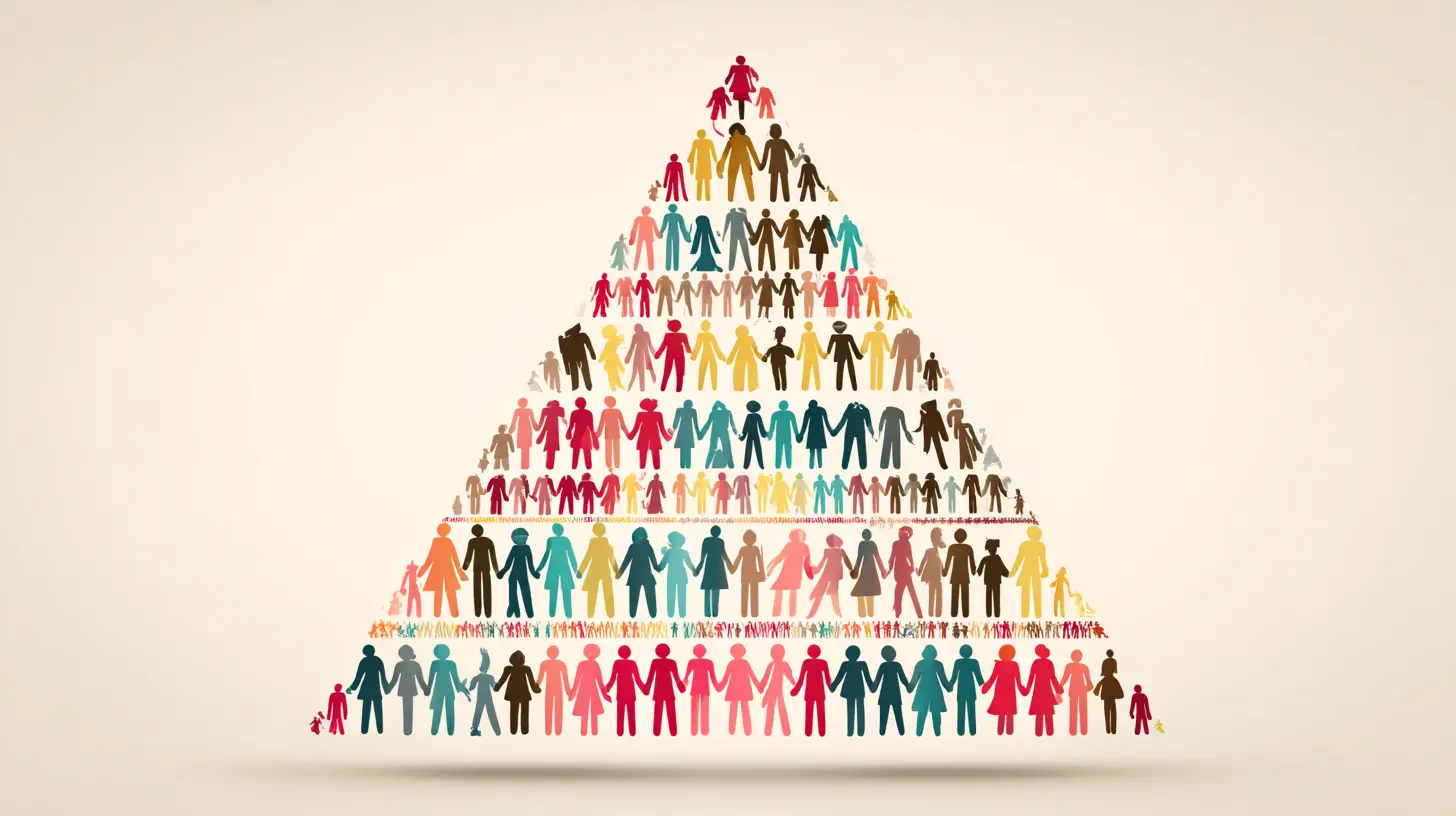
What Exactly Is a Social Hierarchy?
Let’s kick things off with the basics. A social hierarchy is like an invisible ladder within a group. On each "rung" you’ve got different levels of authority, power, or status. People higher up tend to get more attention, respect, and influence. Those lower down? Not so much.Think about a typical office setting. You’ve got the CEO at the top, managers in the middle, and interns at the bottom. Everyone knows where they stand, even if no one says it out loud.
But wait — social hierarchies aren’t just in formal settings. Ever noticed how in a group of friends, one person tends to make the plans and the rest follow? Yep, that’s a mini hierarchy too.
Why Do Social Hierarchies Exist?
You might be wondering, “Can’t we all just be equals and get along?” Great question! But truth be told, hierarchies form naturally — even in groups where everyone starts out on equal footing.Here’s why:
- Efficiency: Hierarchies help organize roles and responsibilities. Imagine trying to make decisions in a group where five people all shout over each other — chaos!
- Predictability: When people know their place (even subconsciously), interactions become smoother.
- Survival Instincts: Back in caveman days, groups with clear leaders had better chances of survival. That instinct still lingers.
So, while we love the idea of equality, our brains are wired to fall into structured roles. Wild, right?
The Psychology Behind Hierarchies
Alright, let’s nerd out a little (just a little). Psychology tells us a lot about how hierarchies form and why we respond to them.1. Status and Respect
Humans crave respect. It’s like social currency. When someone climbs up the hierarchy, they usually gain status. That status can make us feel more confident, happier, and even healthier. Yep — studies have shown that higher-status individuals often have lower stress levels.2. Social Comparison Theory
This theory says we often evaluate ourselves by comparing with others. So, when you see someone above you on the social ladder, you might feel pressured to “catch up.” That can be motivating — or exhausting, depending on how it’s handled.3. Power Dynamics
Power changes people. It’s like putting on a different pair of glasses. Those with power often feel more in control, less empathetic, and more willing to take risks. Not always a bad thing — but it definitely shifts behavior in group settings.
Hierarchies in Different Types of Groups
Let’s break this down and see how hierarchies show up in different settings:🔹 In the Workplace
Welcome to Officeville — home of coffee, meetings, and power plays. Social hierarchies here are usually formal. Titles like “Manager” or “Team Lead” come with built-in authority. But sometimes, informal hierarchies form too. That one charismatic employee who everyone listens to? They’ve got influence, even without a fancy title.Hierarchies influence:
- Who gets heard in meetings.
- Who makes decisions.
- Who gets promoted.
🔹 In Friend Groups
Remember that one friend who always chooses the restaurant or sets the group's plans? Yep, mini hierarchy. These are usually informal and based on personality, experience, or even who’s the “glue” of the group.Hierarchies determine:
- Social roles (the leader, the joker, the peacemaker).
- Group decisions.
- Inclusion and exclusion (sad but true).
🔹 In Schools
Nowhere are social hierarchies more obvious than high school. Cliques, popularity contests, who sits where at lunch — it’s all hierarchy in action. Teens are especially sensitive to status, so group dynamics here can be intense.🔹 In Online Communities
Even in the digital world, hierarchies form. Think about Reddit moderators, Twitter influencers, or YouTube creators. Followers, likes, and retweets become the new currency of status.How Social Hierarchies Affect Behavior
Here’s the juicy part — how hierarchies actually change the way we act.1. Authority Obedience
You’ve probably heard of the famous Milgram experiment, right? (If not, googling it is worth your time!) It showed how people tend to obey authority figures, even when it conflicts with their morals. That’s the power of hierarchy in action.2. Conformity and Groupthink
People often mimic those higher up — not because they’re sheep, but because it feels safer. We’re social creatures, and aligning with the group (especially the influential ones) helps avoid conflict.But sometimes, that leads to “groupthink,” where no one dares challenge bad ideas. Think of it like everyone jumping on the same bandwagon, even if it's heading for a cliff.
3. Role-based Behavior
People tend to act in line with their perceived role. Someone who believes they’re a leader may speak confidently, take charge, and dominate conversations. A lower-ranking member? They might hesitate to speak, even if they have great ideas.4. Confidence and Self-Esteem
Where you fall on the hierarchy ladder can seriously impact how you see yourself. Higher ranks often boost confidence. Lower positions might chip away at self-worth — especially if people feel “stuck” there.The Dark Side of Hierarchies
Okay, so far it sounds like hierarchies help us function — and they do. But they can also stir up some trouble.- Inequality: When power is concentrated at the top, it often creates gaps in opportunity and voice.
- Bullying and Exclusion: In strict hierarchies, lower members might get ignored — or worse, mistreated.
- Toxic Leadership: Some climb to the top for the wrong reasons and use power to control or manipulate.
The key is awareness. When people recognize the effects of hierarchies, they can work to make them healthier and more inclusive.
Can We Change or Flatten Hierarchies?
Absolutely! While hierarchies are natural, they’re not set in stone. Progressive businesses, modern schools, and even some nation systems are rethinking the traditional “top-down” model.🌟 Ways to Level the Playing Field:
- Rotate leadership roles: Great for teamwork and inclusion.- Encourage open communication: Let everyone, regardless of status, voice ideas.
- Create feedback loops: Leaders learning from followers? That’s the dream.
- Recognize informal leaders: Some people influence quietly — don’t overlook them!
Flattening hierarchies takes effort, but the benefits? Massive. You get more creativity, better morale, and often, stronger results.
The Beauty of Balanced Hierarchies
Here’s the thing — it’s not about getting rid of hierarchies altogether. It’s about creating healthier ones. Hierarchies that are flexible, fair, and based on respect rather than fear.Because when each person in a group feels seen and valued, magic happens.
You get:
- Better collaboration
- Stronger trust
- Happier humans
And isn’t that what we’re all aiming for?
Final Thoughts
Social hierarchies are everywhere. They're in our schools, our jobs, our homes, and even online. They influence how we behave, how we think, and how we connect.The good news? With the right mindset and intention, we can shape these hierarchies to be more balanced and beneficial. It starts with awareness. When we understand the structure, we can work within it — or reshape it — in ways that lift everyone.
So next time you find yourself in a group setting, take a moment. Look around. Feel the flow of power and influence. Then ask yourself — how can I make this dynamic more empowering for everyone?
Because whether you're a leader, a follower, or somewhere in between, you have a role to play in building better group dynamics.
Now go out there and climb that ladder — or better yet, build a bigger one that everyone can share.
all images in this post were generated using AI tools
Category:
Social PsychologyAuthor:

Gloria McVicar
Discussion
rate this article
1 comments
Andrew McHugh
Understanding social hierarchies is essential for grasping human behavior. They shape interactions and drive group dynamics in profound ways. By recognizing these patterns, we can navigate social structures more effectively and foster healthier relationships within various group settings.
May 2, 2026 at 5:00 PM
Gloria McVicar
You make a great point. Understanding these hierarchies really does help us navigate complex social landscapes and improve our interactions. Thanks for sharing your insights!