The Benefits of Gratitude Practices for Stress Reduction
30 July 2026
Stress is like an unwelcome guest—it shows up unannounced and overstays its welcome. In today's fast-paced world, it's easy to feel overwhelmed. Deadlines, responsibilities, and everyday life can pile up, leaving us feeling drained. But what if I told you there's a simple, science-backed way to ease stress and boost your well-being? Enter gratitude.
Practicing gratitude isn't just a feel-good concept; it's a powerful tool that can rewire your brain and help you manage stress more effectively. Let's dive into how embracing gratitude can transform your mental health and bring you a sense of peace. 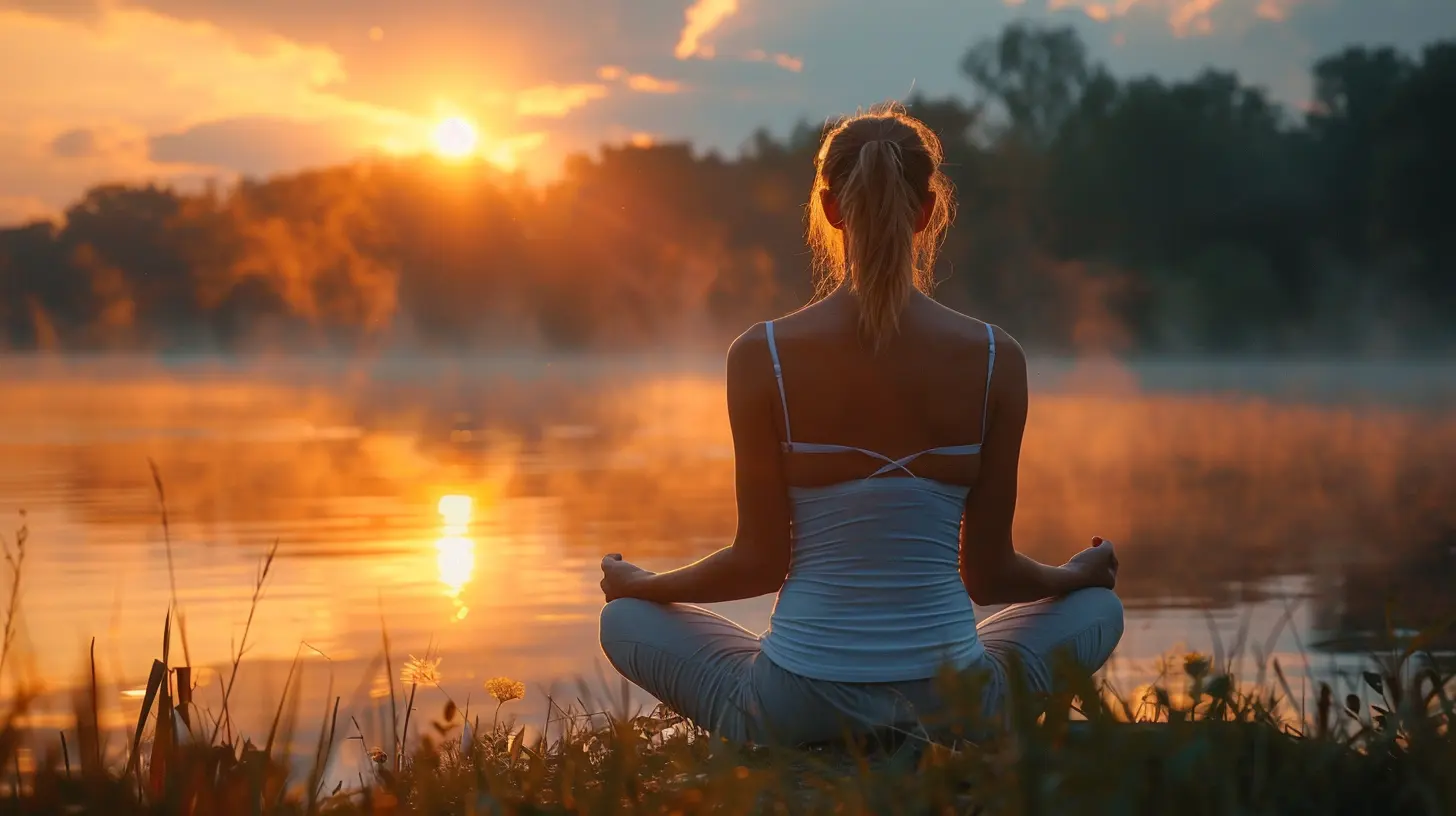
What Is Gratitude, and Why Does It Matter?
Gratitude is the act of recognizing and appreciating the good things in life—big or small. It’s not about ignoring life’s hardships but instead focusing on the positives that often go unnoticed.Think of gratitude as a muscle. The more you use it, the stronger it gets. And just like regular exercise strengthens your body, practicing gratitude strengthens your mind, helping you handle stress better. 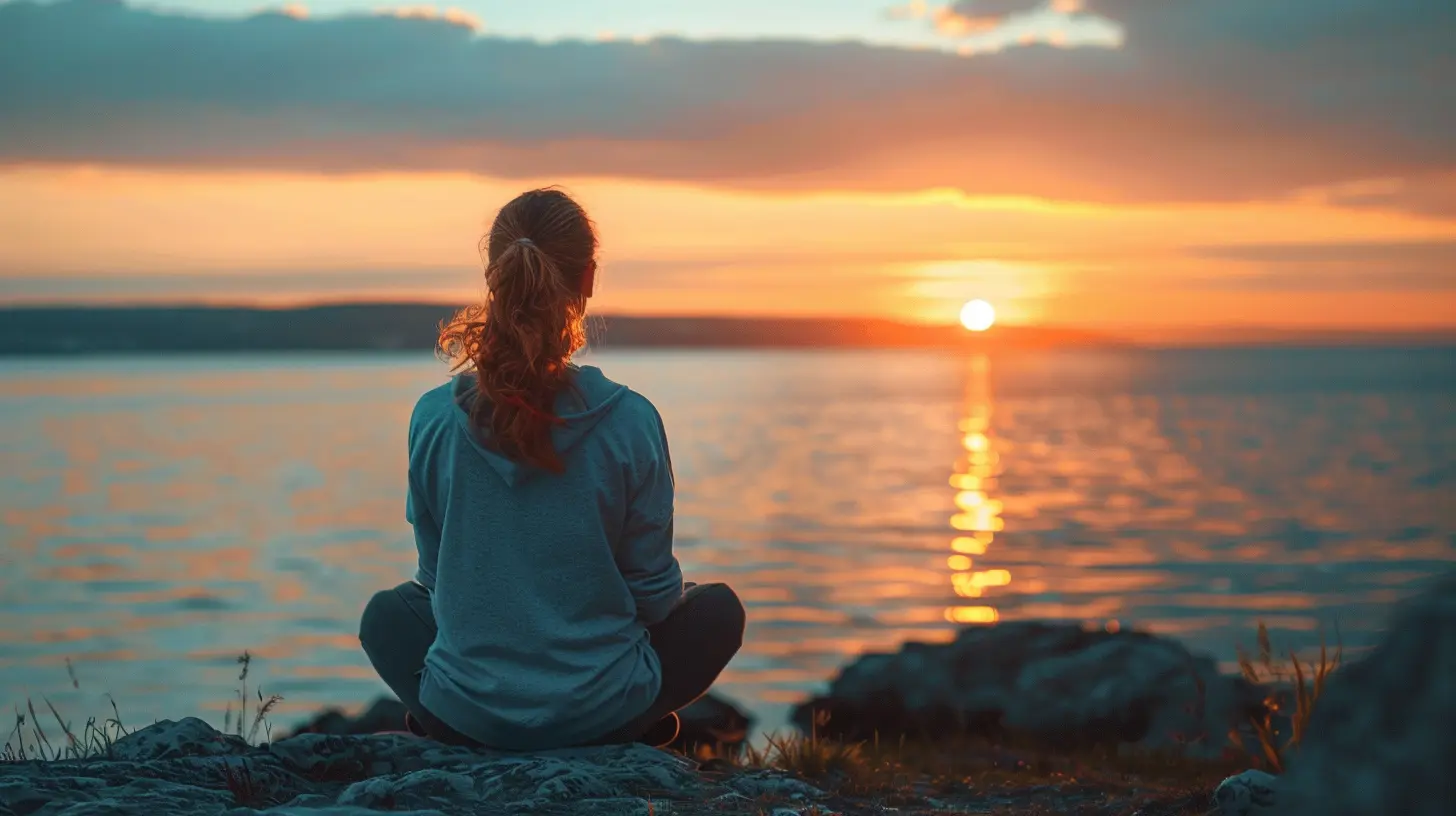
How Gratitude and Stress Are Connected
Stress triggers your fight-or-flight response, flooding your body with cortisol, the stress hormone. A little cortisol is helpful—it keeps you alert in dangerous situations. But chronic stress? That’s where the trouble begins.When you’re constantly stressed, your body remains in high alert, leading to anxiety, burnout, and even physical health problems. Gratitude, on the other hand, reduces cortisol levels and shifts your focus from what’s going wrong to what’s going right. It’s like hitting the reset button on your nervous system. 
The Science Behind Gratitude and Stress Reduction
Science backs up what many of us have already felt—practicing gratitude makes a real difference.- Lowers Cortisol Levels – Studies show that grateful individuals have significantly lower cortisol levels, meaning they experience less stress.
- Boosts Serotonin & Dopamine – Gratitude activates areas of the brain associated with pleasure and reward, increasing feel-good hormones like serotonin and dopamine.
- Enhances Emotional Resilience – When life throws challenges your way, gratitude helps you shift perspective, making it easier to cope.
- Improves Sleep Quality – Focusing on positive thoughts before bed reduces anxious thinking, leading to better sleep.
Essentially, gratitude rewires your brain for positivity, helping you navigate stress with a clearer, calmer mind. 
The Psychological Benefits of Gratitude
1. Increases Emotional Well-Being
Ever noticed how negativity tends to spiral? One bad thought leads to another, and before you know it, you’re drowning in stress. Gratitude interrupts this cycle. By actively focusing on what’s good, you train your brain to see the brighter side of life.2. Promotes a Positive Mindset
Gratitude shifts your focus from what you lack to what you have. It rewires your thinking, making you more optimistic and less prone to stress-induced negativity.3. Strengthens Relationships
Expressing gratitude towards loved ones not only makes them feel appreciated but also deepens your connection. Stronger relationships act as a buffer against stress, providing emotional support when you need it most.4. Reduces Anxiety and Depression
Gratitude has been linked to lower levels of anxiety and depression. When you focus on what’s good, your brain releases calming neurotransmitters that reduce feelings of worry and sadness.5. Enhances Self-Awareness
Gratitude helps you become more in tune with your emotions. When you take time to reflect on what makes you happy, you gain insight into what truly matters, reducing stress caused by unnecessary worries.Practical Gratitude Practices for Stress Reduction
Now that we know the benefits, let’s talk about how to incorporate gratitude into daily life. Here are some easy yet effective ways to get started:1. Keep a Gratitude Journal
Journaling is a simple yet powerful way to cultivate gratitude. Each day, jot down three things you’re grateful for. They don’t have to be grand—something as small as a good cup of coffee counts.2. Practice Gratitude Meditation
Take a few minutes each day to close your eyes and focus on things you appreciate. Breathe deeply and let feelings of gratitude wash over you. This practice helps calm the mind and reduce stress.3. Express Appreciation to Others
Tell someone you appreciate them. A heartfelt “thank you” can go a long way in strengthening relationships and spreading positivity.4. Reframe Negative Situations
When faced with stress, ask yourself: "What lesson can I learn from this?" or "Is there something good hidden in this challenge?" Shifting perspective can reduce frustration and bring peace.5. Use Gratitude Reminders
Set daily reminders on your phone or place sticky notes around your home with gratitude prompts. A simple "What am I thankful for today?" can keep your mind in check.6. Engage in Acts of Kindness
Helping others fosters gratitude. Whether it’s holding the door open for someone or volunteering, acts of kindness remind you of the good in the world—and in yourself.7. Reflect Before Bed
Before falling asleep, mentally list three things that went well during your day. This small habit can shift your thoughts from stress to satisfaction, improving sleep quality.The Long-Term Impact of Gratitude
The beauty of gratitude is that its benefits compound over time. The more you practice, the more natural it becomes. Eventually, gratitude isn’t just something you do—it’s something you live.With consistent effort, stress becomes easier to manage. You’ll find yourself more resilient, more joyful, and more at peace with life’s uncertainties. In a world filled with chaos, gratitude becomes an anchor, keeping you grounded and reminding you of what truly matters.
Final Thoughts
Stress may be inevitable, but suffering from it doesn’t have to be. Gratitude is a simple yet transformative practice that can rewire your brain, improve your outlook, and bring a sense of calm to your daily life.So, why not start today? Pick a gratitude practice that resonates with you and make it a habit. Your mind (and body) will thank you.
all images in this post were generated using AI tools
Category:
Stress ReliefAuthor:

Gloria McVicar