How to Practice Mindful Breathing to Reduce Anxiety and Stress
6 March 2026
Let’s get real for a second — life can feel like a never-ending to-do list. From the minute your alarm buzzes in the morning to the moment you finally shut your eyes at night, stress and anxiety seem to tag along like uninvited guests. But guess what? You’ve got a secret superpower tucked inside your own body. It's not some fancy gadget or a costly wellness retreat—it's your breath.
Sounds too simple to be true, right? But mindful breathing, when practiced regularly, can be a game-changer for your mental health. It's free, it's always with you, and it only takes a few minutes a day. So, if you're ready to chill out, focus better, and dial down the mental chaos, this one’s for you.
What Is Mindful Breathing, Anyway?
Let’s break it down. “Mindful” just means being fully present in the moment. It’s the opposite of operating on autopilot (you know, like when you drive to work and barely remember the trip). “Breathing,” well, that’s just what you’re doing right now.🧠 So, mindful breathing is simply the act of paying close attention to your breath as it flows in and out of your body. You’re not trying to control it or judge it — you're just observing it, like a curious scientist watching a cool experiment.
It might sound a little “woo-woo,” but research backs this up. Studies have shown that mindful breathing activates the parasympathetic nervous system — that’s the “rest and digest” part of your body that counteracts the “fight or flight” stress response.
Why Your Breath Is the Ultimate Chill Pill
Imagine your breath as the remote control to your nervous system. When anxiety kicks in, your breathing becomes shallow and rapid. You might even feel like you can't catch your breath. That’s your body gearing up for a threat, even if there isn’t one (hello, overthinking at midnight!).Now, flip the script. When you slow your breathing and become aware of it, your brain gets the message: “Hey, we’re safe. We’re cool.” Your heart rate slows, your muscles unclench, and you start to feel more grounded.
It’s like flipping a mental switch. And the best part? It only takes a few minutes.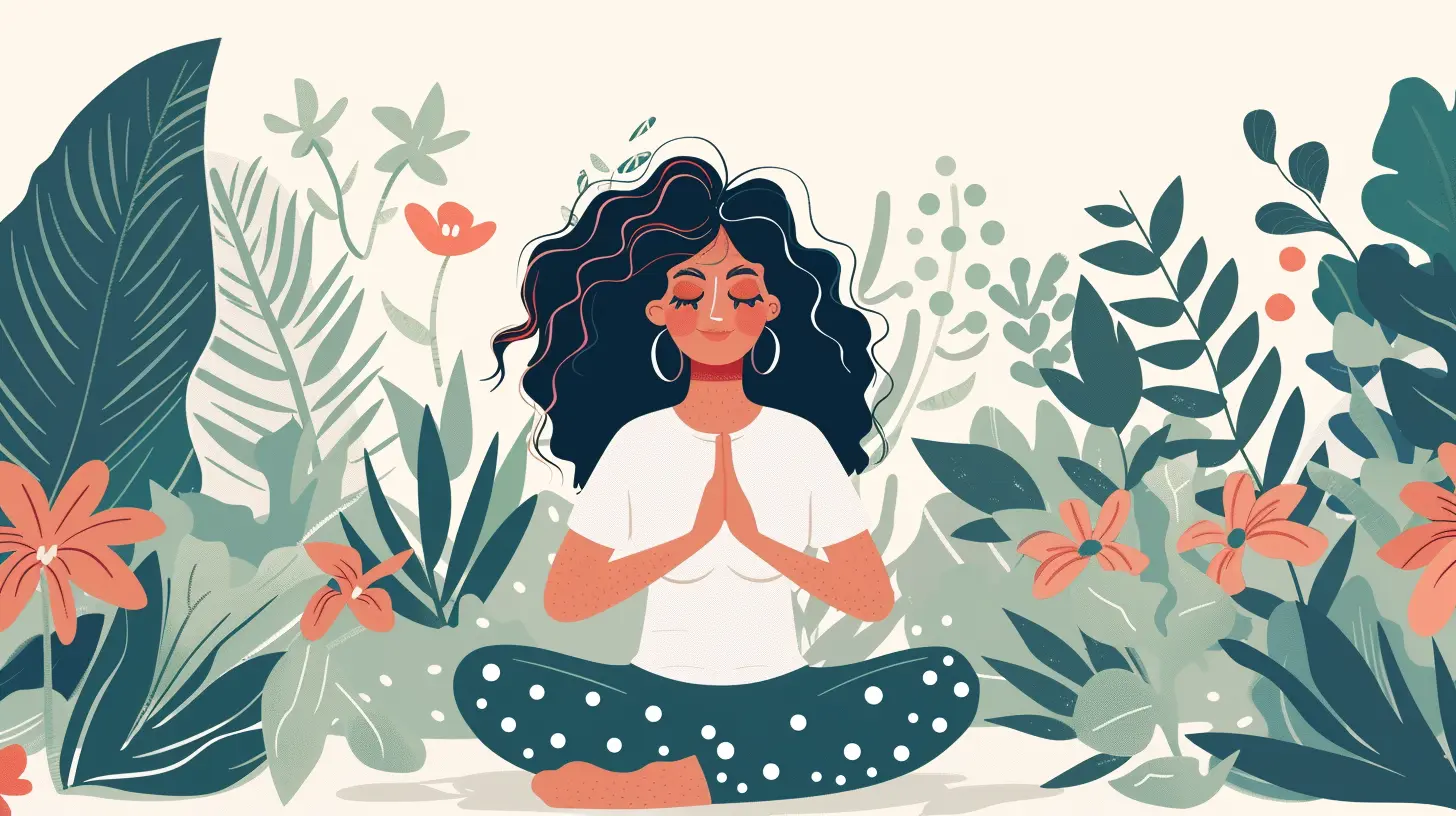
How Mindful Breathing Helps With Anxiety and Stress
Here’s the magic: anxiety and stress aren’t just in your head — they’re in your body. Your chest gets tight, your stomach knots up, and your entire system goes on high alert.Mindful breathing calms all of that down. Here’s what it does, step-by-step:
- Slows your heart rate: A slow, steady breath tells your body there’s no need to panic.
- Reduces cortisol: This stress hormone drops when you breathe mindfully.
- Increases focus: Rather than spiraling into anxious thoughts, your mind becomes anchored to your breath.
- Improves sleep: Mindful breathing before bed can help you drift off peacefully.
- Builds emotional resilience: Over time, you can handle stress better because your body learns to respond, not just react.
Think of it as hitting the reset button — anytime, anywhere.
Ready to Try It? Here’s How to Practice Mindful Breathing (Step-by-Step)
You don’t need a meditation cushion or a quiet mountain cave. Just find a comfortable spot, and let’s get into it.1. Find Your Space
Sit down. Stand. Lie on your back. Doesn’t really matter — as long as you’re comfortable and your body feels supported. You can close your eyes or keep them soft and unfocused.2. Bring Awareness to Your Breath
Start by noticing your breath. Don’t change it — just observe. Feel the air as it enters your nose, fills your lungs, and then gently leaves your body. Get curious about it.Is it shallow or deep? Fast or slow? Cool on the inhale, warm on the exhale?
3. Anchor Your Attention
Pick a part of your breath to focus on — like the rise and fall of your chest, or the way your nostrils feel with the air moving in and out. This becomes your anchor.Just like a boat uses an anchor to stay steady in choppy water, you’ll use your breath to stay present.
4. Inhale for 4, Exhale for 6
Now, try this simple pattern:- Inhale through your nose for a count of 4…
- Hold for a moment…
- Exhale slowly through your mouth for a count of 6…
Repeat this for 1–2 minutes at first. You can build up to 5–10 minutes over time.
5. Notice When Your Mind Wanders
Spoiler alert: your mind will wander. That’s totally okay. When you catch it drifting — to your grocery list or that awkward thing you said five years ago — gently guide it back to your breath.No judgment. No guilt. That redirection is where the real growth happens.
6. End With Gratitude
When you’re ready to stop, take a final deep breath. Whisper a little “thank you” to yourself for taking this time. You don’t need to feel magically transformed — just a little more present, a little more calm.Tips to Make Mindful Breathing a Daily Habit
Consistency is key. You don’t need to spend hours on this to see results — a few minutes a day can seriously shift your stress levels.Here are some ways to weave mindful breathing into your day:
- 🌅 First thing in the morning: Start your day with a few deep breaths instead of grabbing your phone.
- ☕ During coffee breaks: Instead of scrolling, take 2 minutes to close your eyes and focus on your breath.
- 🚘 In traffic: Waiting at a red light? That’s your cue to breathe.
- 🛏️ Before bed: A few slow, mindful breaths can help your brain wind down and signal it’s time for sleep.
You can even set a reminder on your phone that just says, “Breathe.”
Mindful Breathing for Beginners — Mistakes to Avoid
Let’s face it — breathing sounds easy, but mindful breathing can bring up resistance. That’s totally normal. Here’s what to watch for:- ❌ Forcing your breath: Don’t try to “breathe right.” The point isn’t perfection—it’s presence.
- ❌ Beating yourself up: Mind wandering? Join the club. Gently come back to your breath.
- ❌ Expecting instant results: Like anything meaningful, mindful breathing is a practice, not a magic trick.
- ❌ Only using it in crisis: It's helpful in anxious moments, but even more powerful as a daily habit.
You’re not “bad” at it — you’re learning. Think of it like working out a muscle. Every breath is a rep.
Breathing Techniques You Can Try (Besides the Basics)
Think of these like breathing “flavors” — play around to see what suits your taste.🌬️ Box Breathing (aka Navy SEAL Breathing)
Used by elite performers, this method creates symmetry in your breath:- Inhale 4 seconds
- Hold 4 seconds
- Exhale 4 seconds
- Hold 4 seconds
Repeat for a few minutes. It's GREAT for calming your nervous system fast.
🧼 4-7-8 Breathing
Helps with anxiety and especially sleep:- Inhale for 4 seconds
- Hold for 7 seconds
- Exhale for 8 seconds
It slows everything down and feels like a mental reset button.
🌀 Alternate Nostril Breathing (Nadi Shodhana)
A little more advanced, but great for balancing energy:- Use your thumb and ring finger to close one nostril
- Inhale through the open nostril
- Switch nostrils and exhale through the other
- Repeat for a few cycles
Calming, cleansing, and kind of meditative.
What Happens If You Stick With It?
Here’s the truth: mindful breathing isn’t a one-time fix. It’s like watering a plant. At first, not much happens — but over time, something beautiful grows.- You’ll start noticing stress signals earlier.
- You’ll have fewer panic attacks or mood swings.
- You’ll improve your focus and emotional control.
- You'll feel more “you” — centered, grounded, clear-headed.
Mindful breathing won’t erase life’s chaos, but it’ll change how you move through it.
Final Thoughts: Just Breathe
You don’t need to escape to a silent monastery or become a Zen master to beat anxiety. It starts right here, right now, with your breath.So next time your thoughts are racing or your heart’s pounding, pause. Take a deep inhale. Release it slowly.
You’ve got this.
all images in this post were generated using AI tools
Category:
Mental WellnessAuthor:

Gloria McVicar
Discussion
rate this article
2 comments
Jinx Stone
This article offers practical techniques for mindful breathing that can significantly alleviate anxiety and stress. Simple yet effective, these strategies can enhance overall well-being and promote tranquility.
March 17, 2026 at 4:25 AM
Gloria McVicar
I appreciate your feedback! I'm glad you found the techniques helpful for reducing anxiety and promoting tranquility.
Blade McAndrews
This article offers practical techniques for mindful breathing, emphasizing its benefits in reducing anxiety and stress. A valuable resource for anyone seeking calm and clarity in daily life.
March 10, 2026 at 4:38 PM
Gloria McVicar
Thank you for your thoughtful comment! I'm glad you found the techniques helpful for fostering calm and clarity in daily life.