How to Stop Procrastination to Reduce Stress Levels
15 January 2026
Let’s be honest—most of us have procrastinated at some point in our lives. Maybe you're doing it right now by reading this article instead of finishing that one task that’s been sitting on your to-do list for a week. (No judgment, we’ve all been there). But procrastination isn’t just about missed deadlines or piling up work; it can seriously mess with your mental health. Over time, it becomes a sneaky stress monster that lurks behind every "I'll do it later."
In this article, we’re diving deep into the mind of a procrastinator and uncovering how exactly we can break the cycle and reduce that stress cloud hanging over our heads. Ready? Let’s roll up our sleeves and tackle it head-on—no more stalling!
What Exactly Is Procrastination?
Procrastination is more than just poor time management. It’s actually a coping mechanism—your brain’s way of dodging tasks that feel boring, stressful, or intimidating. You’re not lazy (even though it might feel that way). You’re avoiding discomfort.Think about it. You need to write a report, but suddenly cleaning the kitchen sounds like a fantastic idea. Or maybe replying to emails becomes urgent when you’re supposed to be studying. That’s procrastination in action. It’s about escaping something, not relaxing or being productive.
The Procrastination-Stress Cycle
Here's the kicker: procrastination doesn’t just delay tasks—it amplifies stress. You might think you're relieving pressure by putting something off, but ironically, it creates more stress than it avoids.Let’s break down this vicious cycle:
1. You avoid a task → You get temporary relief.
2. The deadline creeps closer → Anxiety increases.
3. You feel overwhelmed → You delay again.
4. Stress reaches peak levels → You panic and rush it.
5. Quality suffers. You blame yourself. Hello, guilt and shame.
Sound familiar?
Over time, this pattern messes with your confidence, your relationships, your work, and yes—your peace of mind.
Why Do We Procrastinate?
Understanding why you procrastinate is key to beating it. Here are some of the usual suspects:- Fear of failure: If you don’t try, you can’t fail… right? (Wrong, but your brain thinks it's protecting you.)
- Perfectionism: "It has to be perfect, or I won’t even start."
- Overwhelm: You don’t know where to begin, so you just don’t.
- Lack of motivation: The task doesn’t seem urgent or meaningful.
- Poor time perception: You think you have more time than you actually do. Spoiler alert: you don’t.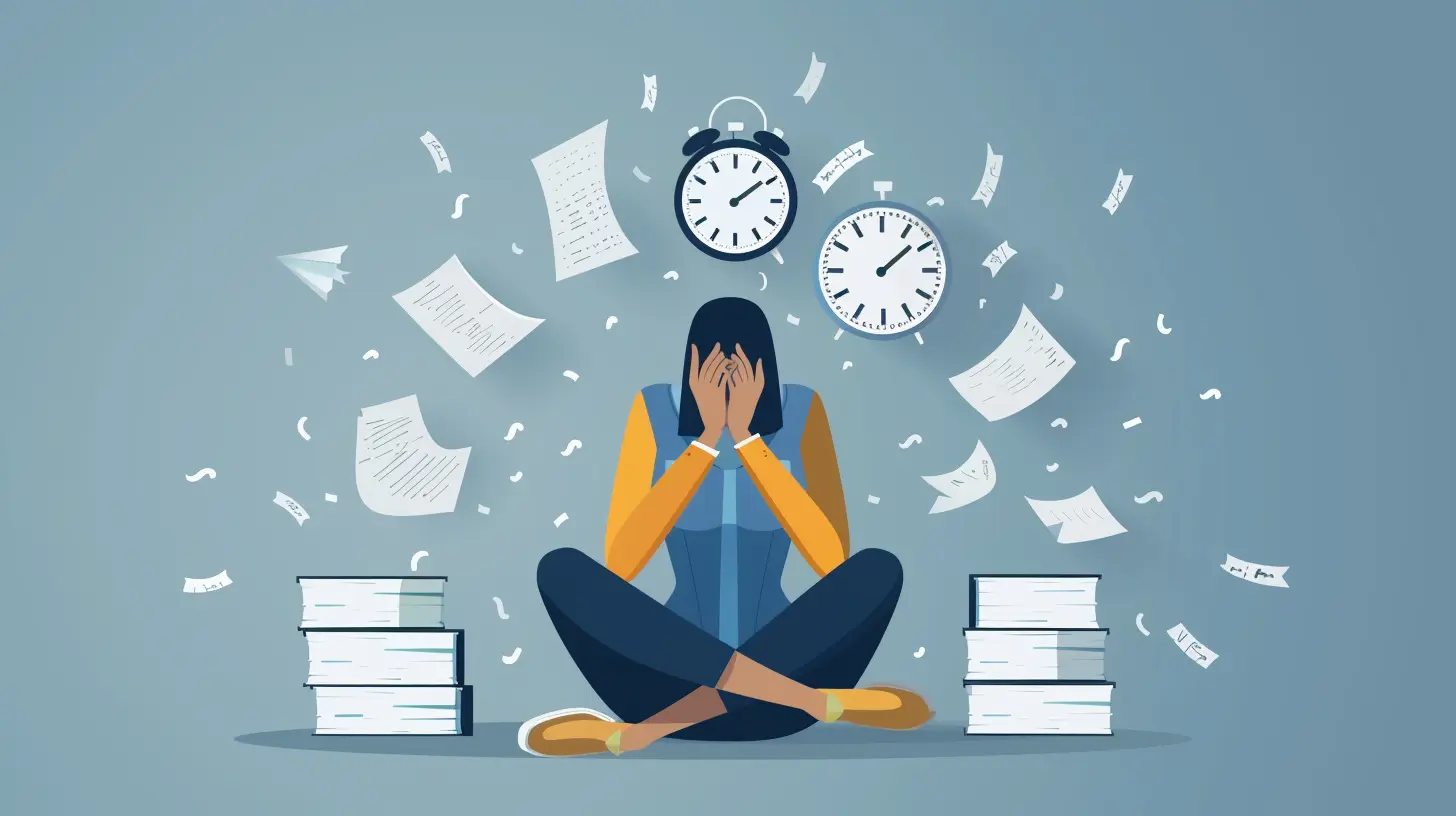
How to Stop Procrastination to Reduce Stress Levels
Alright, enough diagnosing. Let’s get into solutions. Below are practical (and doable!) strategies to kick procrastination to the curb and lighten your mental load.1. Start With Self-Compassion
Wait—what does kindness have to do with productivity? Everything.When you beat yourself up for procrastinating, you sink deeper into guilt and stress. Instead, acknowledge it without judgment. Say to yourself, "I’ve been avoiding this because I’m feeling anxious, and that’s okay. But I can take a small step forward now."
Being kind to yourself creates a safer inner space to take action. You don’t need to be perfect—you just need to be present.
2. Break It Down (like a Lego set)
Big tasks feel overwhelming because they are... well, big. Imagine standing at the bottom of Mount Everest trying to figure out how to climb it in one leap. Impossible, right?Instead, break your task into smaller, more manageable parts. Writing an essay? Start with a 10-minute brainstorm. Need to clean your room? Just start with the desk.
Small steps give your brain achievable goals—and success creates momentum.
3. Use the "Two-Minute Rule"
If something takes less than two minutes, do it now. Simple as that. Replying to that email? Two minutes. Tossing laundry in the machine? Two minutes.This trick prevents tiny tasks from turning into mental clutter, and it builds productivity muscles for bigger tasks.
4. Set a Time Limit
Ever give yourself the whole day to do something, only to finish it in a rush at 11:58 PM? Yep, Parkinson’s Law in full swing: "Work expands to fill the time available for its completion."Instead, give yourself a timer. Try setting a 25-minute window (known as the Pomodoro Technique), then take a 5-minute break. It turns your work into a game instead of an endless marathon.
5. Make Distractions Harder to Reach
Let’s face it, your phone is a distraction trap. One minute you're checking a text, and the next you're deep into TikTok or watching cat videos on YouTube.Try this:
- Put your phone in another room.
- Use website blockers like Cold Turkey or FocusMe.
- Turn off non-essential notifications.
Out of sight = out of mind = less temptation.
6. Focus on the “Why”
Motivation comes from meaning. Ask yourself why this task matters.Is it moving you closer to a dream? Is it helping someone? Even if it’s something dull like filing documents, reframing can help: “I’m doing this so I can relax later without stress."
When your brain understands the purpose, it's more willing to cooperate.
7. Create a Routine That Works for You
You don't need to become a morning person (unless you want to). But having a structure helps reduce decision fatigue.Try this simple habit stack:
1. Wake up and stretch.
2. Write down 3 goals for the day.
3. Tackle the hardest task first (aka “eat the frog”).
Routines give you momentum—and momentum kills procrastination.
8. Celebrate Small Wins
Finished a task? Reward yourself. Watch a short episode. Eat a cookie. Dance around your room. Whatever makes you feel good.Rewarding progress reinforces good behavior in your brain. It’s like giving your inner child a gold star. Positive reinforcement works—and it's fun too.
9. Talk About It
Here’s something wild: procrastination thrives in silence.Talk to someone—maybe a friend, coworker, or even a mental health professional. Just saying, “I’ve been avoiding this thing and it’s stressing me out,” can do wonders.
Accountability partners are golden. When someone else knows your goal, you’re more likely to follow through.
10. Practice Mindfulness and Stress Management
When you reduce your stress, you reduce your urge to procrastinate (and vice versa). Mindfulness practices like deep breathing, meditation, or journaling can help quiet the mental noise.Try this quick stress buster before a task:
- Close your eyes.
- Inhale for 4 seconds, hold for 4, exhale for 4.
- Repeat 4 times.
- Open your eyes. Start.
Simple, grounding, and it really works.
When Should You Seek Help?
Sometimes procrastination isn't just a habit—it can be a symptom of bigger mental health issues like anxiety, depression, or ADHD. If it’s interfering with your daily life, work, or relationships, it’s okay to ask for help.There’s zero shame in talking to a therapist or counselor. In fact, it could be the most powerful step you take toward feeling lighter and more in control.
Final Thoughts: You’re Not Broken, You’re Human
If procrastination has been your constant, nagging companion, know this: you're not lazy, broken, or unmotivated. You're human. And the brain? It’s weird. It tries to protect us, but sometimes it needs a little coaching.Stopping procrastination isn’t about becoming a productivity robot. It's about creating a life with less stress and more peace. A life where you do things at your own pace—but you actually do them.
So here’s a gentle challenge for you: What’s one task you’ve been putting off that you could take a small step toward today? Just one. No pressure, no perfection—just progress.
You've got this.
all images in this post were generated using AI tools
Category:
Stress ManagementAuthor:

Gloria McVicar
Discussion
rate this article
2 comments
Runevale McPherson
Face tasks head-on; avoid stress from delay.
January 30, 2026 at 4:18 PM
Gloria McVicar
Absolutely! Tackling tasks promptly can significantly lower stress and boost productivity.
Denise Sanders
This article offers insightful strategies to combat procrastination, highlighting its profound impact on stress levels. The practical tips provided are both accessible and actionable, making it easier for readers to implement changes in their daily routines. Thank you for sharing these valuable techniques!
January 16, 2026 at 5:56 AM
Gloria McVicar
Thank you for your kind words! I'm glad you found the strategies helpful in addressing procrastination and stress. Your feedback is much appreciated!