Why Are People So Passionate About a Return to the Moon?
April 15, 2026 - 22:58
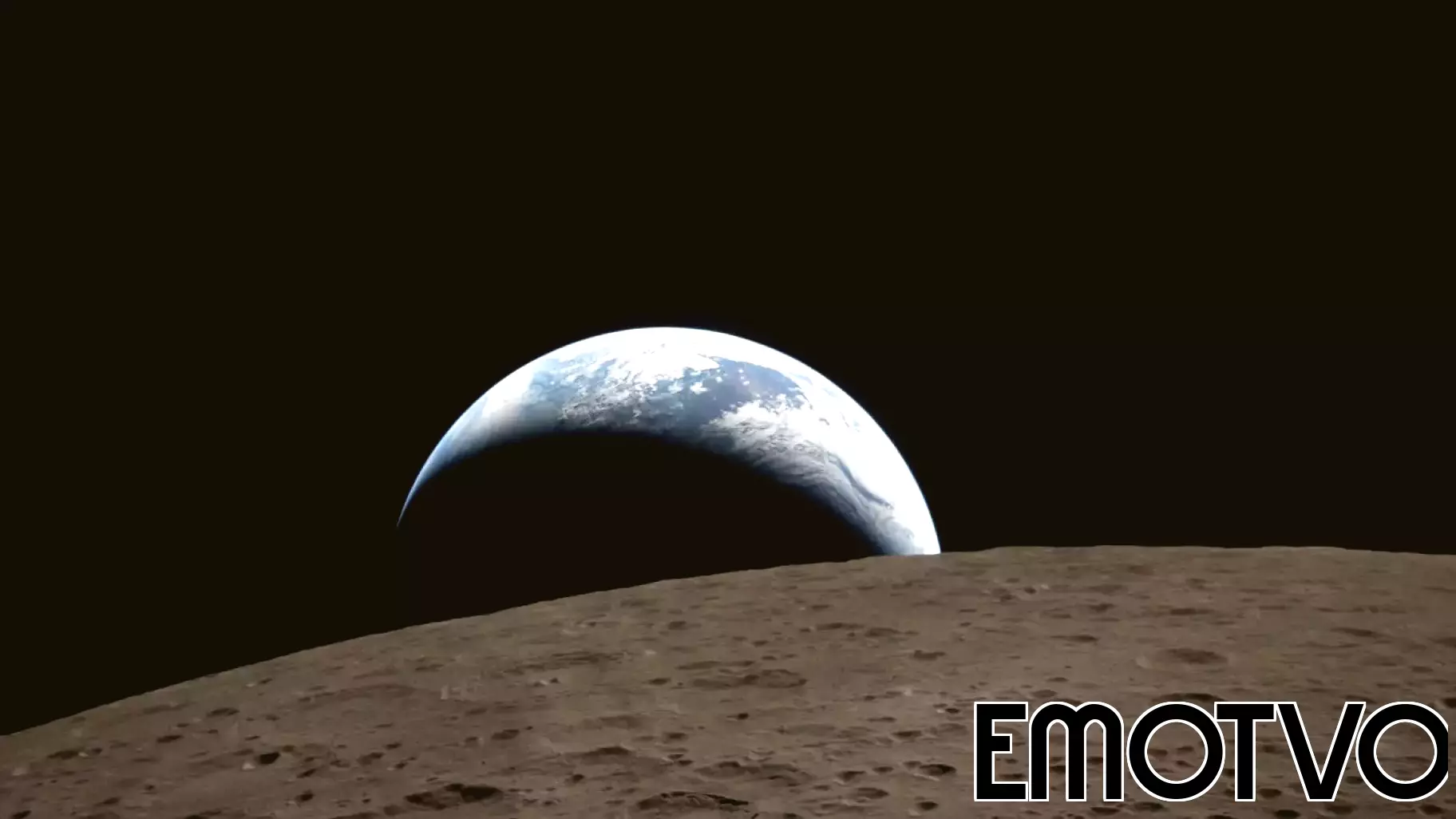
The upcoming Artemis missions signal more than a technological triumph; they represent a profound rekindling of a deep-seated human ambition. This passion for a return to the lunar surface is fueled by far more than scientific curiosity—it is intertwined with our very identity as an exploratory species.
For many, the Moon is a cultural and historical touchstone, a constant celestial companion that has inspired art, myth, and wonder for all of human history. The Apollo era cemented it as an achievable frontier, a symbol of what humanity can accomplish through unity and ingenuity. Returning now, after decades, feels like reclaiming a part of our collective narrative and proving that our spirit of discovery remains undimmed.
Furthermore, Artemis represents a giant leap forward in scope and inclusivity. The goal of establishing a sustainable presence, utilizing new resources like water ice, and paving the way for future Mars missions frames the Moon not as a final destination, but as a crucial stepping stone. The promise of landing the first woman and the first person of color on the lunar surface broadens the dream, making it a journey for all of humanity.
Ultimately, the fervor surrounding this lunar return is a testament to an enduring need to push boundaries. It answers a fundamental desire to see ourselves as pioneers, to learn, and to ensure that humanity's future extends beyond our home planet. The Moon is both a familiar neighbor and a new world of possibility, and that powerful duality continues to captivate our imagination.
MORE NEWS

July 15, 2026 - 02:09
Psychology says people who keep looking for life lessons in every story aren't overanalyzing, they may beA growing body of research suggests that people who constantly look for deeper meaning in everyday stories are not overanalyzing. Instead, they may be engaging in a natural cognitive process that...

July 14, 2026 - 01:04
Psychology says people who go years without a close friend in life aren't antisocial, they're often the ones who found early on that needing people too much made things worse, not betterThere is a certain kind of person you learn to spot if you have ever run a room full of tables. They come in alone, order well, tip fine, and leave without once asking for a refill or a favor. They...

July 13, 2026 - 00:17
Psychology says the gap between getting what you wanted and still wanting more is not necessarily a character flaw — it is hedonic adaptation, the brain’s tendency to turn yesterday’s achievement into today’s normal and quietly move the finish line againThere is a particular embarrassment that can arrive after success. A person gets the job, the promotion, the funding, the house, the public proof, the number. For a moment, there is a flash of...

July 12, 2026 - 03:37
Psychology says people who are never on time aren't inconsiderate, they may struggle to be punctual as theFor years, the person who walks in ten minutes late to every meeting or dinner has been labeled as rude, lazy, or self-centered. But a growing body of psychological research suggests that chronic...