Psychology says the gap between getting what you wanted and still wanting more is not necessarily a character flaw — it is hedonic adaptation, the brain’s tendency to turn yesterday’s achievement into today’s normal and quietly move the finish line again
July 13, 2026 - 00:17

There is a particular embarrassment that can arrive after success. A person gets the job, the promotion, the funding, the house, the public proof, the number. For a moment, there is a flash of satisfaction. Then, often within days or even hours, the feeling fades. The achievement settles into the background of life. The brain, efficient and restless, recalibrates. What was once a peak becomes the new baseline. The person looks ahead and sees the next goal, the bigger number, the higher title. The finish line has moved again.
Psychology identifies this pattern as hedonic adaptation. It is not a character flaw, though it can feel like one. People tend to interpret the quiet return of wanting as greed or ingratitude. But the mechanism is older than that. It is the brain's way of preventing permanent euphoria, which would be useless for survival. If a person stayed thrilled with the first success forever, they would stop striving. The system is designed to keep the organism moving.
The problem is that the system does not distinguish between survival needs and modern ambitions. It applies the same reset to a full stomach and a corner office. Understanding this does not stop the adaptation, but it can remove the shame. The feeling of wanting more is not a sign that the achievement was worthless. It is just the brain doing its job, quietly moving the line again.
MORE NEWS

July 12, 2026 - 03:37
Psychology says people who are never on time aren't inconsiderate, they may struggle to be punctual as theFor years, the person who walks in ten minutes late to every meeting or dinner has been labeled as rude, lazy, or self-centered. But a growing body of psychological research suggests that chronic...
July 11, 2026 - 01:54
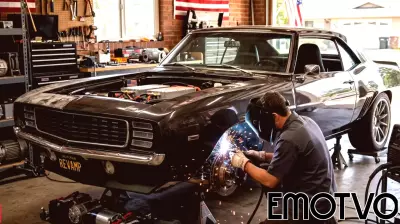
Psychology says people who remodel their new or old cars into new advanced vehicles aren't simply chasingPsychology suggests that people who remodel their new or old cars into advanced vehicles are not simply trying to make them look different. According to researchers, this behavior often reflects...

July 10, 2026 - 01:39
Healing in Public: When Heartbreak Has an AudienceI have followed one creator`s videos on and off for years. She posted travel content, cooking tutorials, the usual lifestyle fare. It was entertaining but forgettable. Then her partner left her....

July 9, 2026 - 01:41
The Invisible Generation: Why Boomers Aren't Imagining Being OverlookedNew research from Yale University confirms what many people in their 60s and 70s have long suspected: they are not imagining the feeling of being invisible. The study found that people genuinely...