What is emotional regulation? A child psychologist explains
August 6, 2026 - 17:05
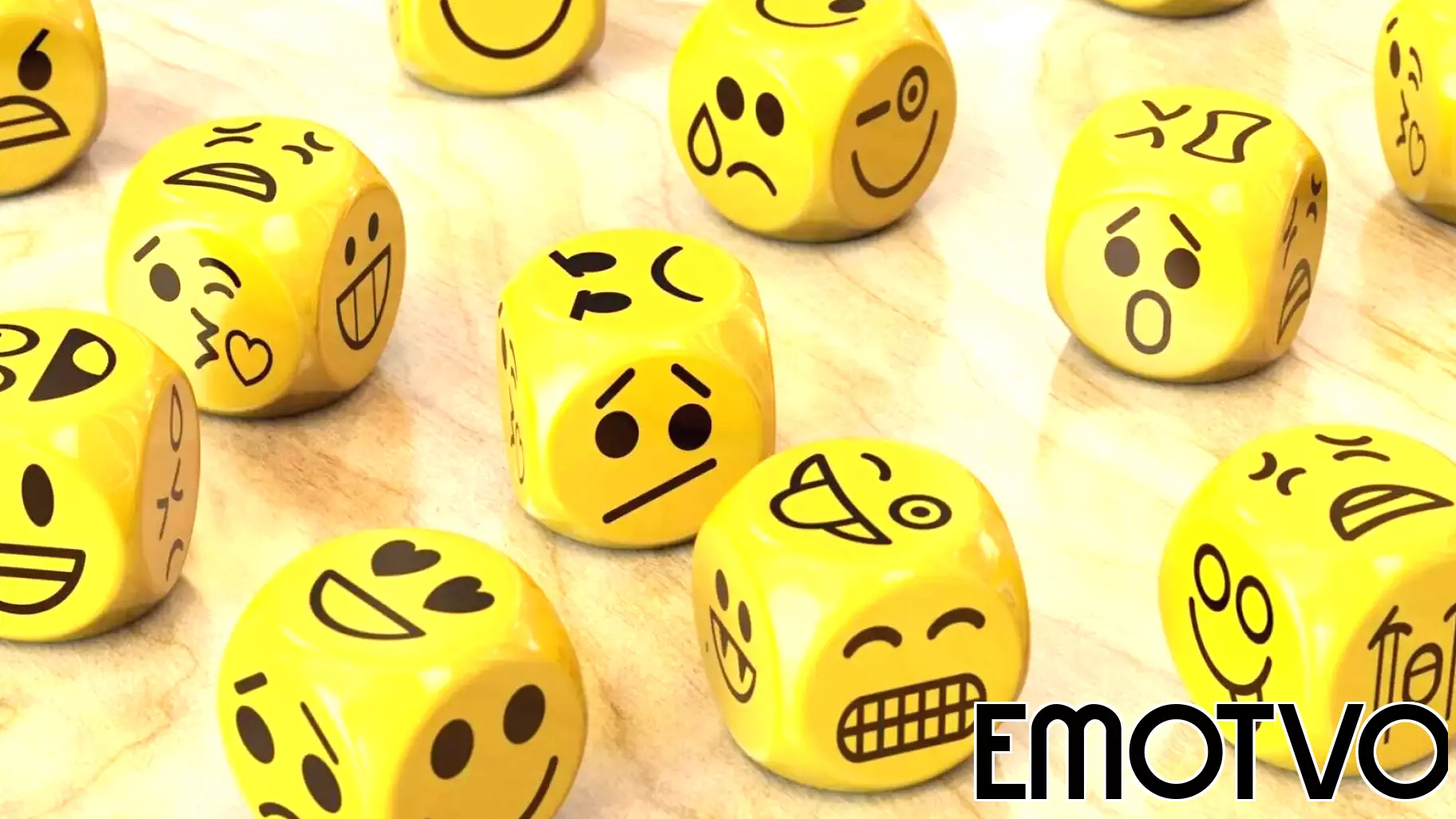
Many parents wonder what emotional regulation really means when they see their child melt down over a broken crayon or a lost game. A child psychologist breaks it down simply: it is not about eliminating anger, sadness, or frustration. The real goal is helping kids build skills to manage those feelings so they do not take over completely.
Think of it like a thermostat, not a switch. A child who regulates well can notice they are getting hot, then adjust before boiling over. That might mean taking a breath, asking for a hug, or stepping away for a minute. It does not mean they never feel upset. In fact, feeling deeply is normal and healthy. The problem comes when the feeling drives the behavior in ways that hurt themselves or others.
For young children, the brain part that handles self-control is still under construction. So a toddler who screams because their block tower fell is not being dramatic on purpose. They literally lack the wiring to pause and think. That is why adults step in to co-regulate first. By staying calm, naming the feeling, and offering comfort, a parent becomes the child's external brake. Over time, the child internalizes that voice.
The psychologist stresses that practice happens in everyday moments, not just during crises. Praising a child for using words instead of hitting, or for taking a break when angry, builds the habit. It also helps to model your own regulation out loud. Say, "I am feeling really frustrated right now, so I am going to take three slow breaths." That shows the child that big feelings are manageable, not dangerous.
The takeaway is simple but not easy. Emotional regulation is a learned skill, like reading or riding a bike. It takes years of repetition, patience, and plenty of mistakes. The aim is not to raise children who never cry or get mad. It is to raise children who know that even the hardest feelings will pass, and that they have tools to ride the wave until it does.
MORE NEWS
August 6, 2026 - 13:25
Is Cannabis Psychosis Riskier Than Drug-Induced Psychosis?The conversation around cannabis and mental health has taken a sharper turn, with new clinical observations suggesting that the nature of psychotic episodes linked to the plant may be more...

August 5, 2026 - 19:11
Men Say This Habit Instantly Makes Women More Attractive, Psychologists Say It Makes SenseThere are certain behaviors that seem to carry an almost magnetic pull, and one in particular has men across the internet agreeing on its effect. The habit in question is not about looks, fashion,...
August 5, 2026 - 02:43
The No. 1 Habit To Replace Toxic Overthinking, By A PsychologistPsychologists have long noted that overthinking feels productive, but it rarely is. The endless loop of replaying conversations, second-guessing decisions, and imagining worst-case scenarios does...
August 4, 2026 - 14:08
The internet treats returning your shopping cart as the ultimate test of character, but the psychology of small unwatched good deeds says they are driven far more by the situation than by who you areThe internet loves a moral test, and few are more beloved than the returning of a shopping cart. It is treated as the ultimate measure of a person`s character, a small, unwatched act that...