The internet treats returning your shopping cart as the ultimate test of character, but the psychology of small unwatched good deeds says they are driven far more by the situation than by who you are
August 4, 2026 - 14:08
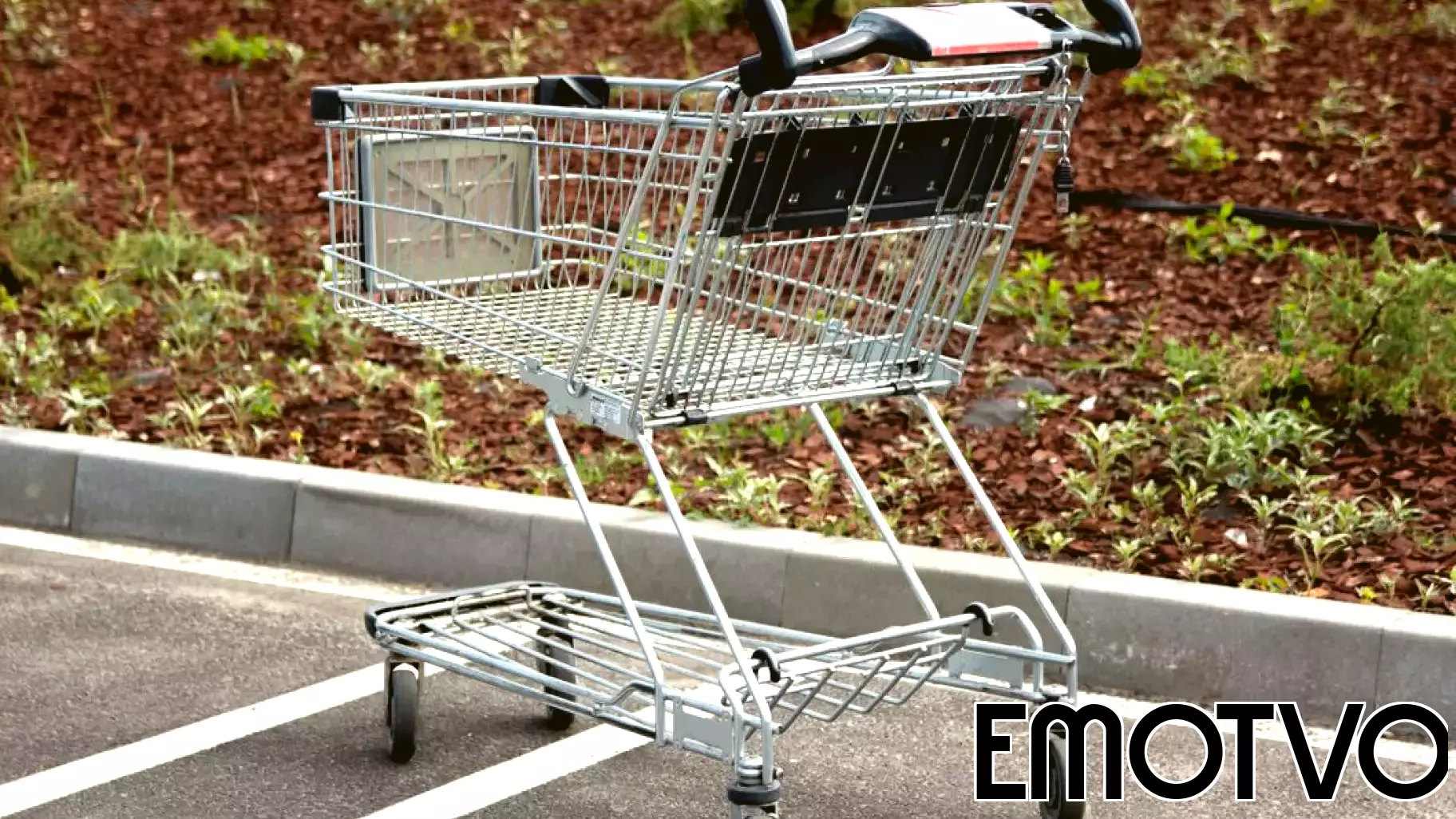
The internet loves a moral test, and few are more beloved than the returning of a shopping cart. It is treated as the ultimate measure of a person's character, a small, unwatched act that supposedly reveals whether you are a decent human being or a selfish one. But a closer look at the psychology of these tiny good deeds suggests the online verdict is far too simple. The decision to walk the cart back to the corral is not a pure reflection of your soul. It is heavily shaped by the situation you are in at that exact moment.
Researchers who study this kind of behavior point to a mix of factors that have nothing to do with your core values. The weather matters. If it is pouring rain, you are more likely to leave the cart. The distance to the corral matters. If you parked far away, the extra steps feel like a bigger cost. The presence of an audience matters, even if you do not consciously register it. A crowded lot makes you more likely to do the right thing, not because you are a better person, but because you feel a subtle pressure to appear cooperative. Even your mood from the grocery trip itself plays a role. A frustrating checkout line can drain your patience, making you less willing to spend another ounce of effort on a task that offers no reward.
This is not to say that character is a myth. It exists, but it is more like a baseline than a fixed script. The same person who leaves a cart in a windy, empty lot at night might easily return it on a sunny Saturday afternoon when the lot is full. The internet's framing turns a complex, situational decision into a binary test of worth. That is a comforting story, but it is not how human behavior actually works. We are all more flexible, and more influenced by our surroundings, than we like to admit. The next time you see a stray cart, remember that the person who left it might not be a villain. They might just be tired, cold, or in a hurry. And that is a much more uncomfortable truth to sit with.
MORE NEWS
August 3, 2026 - 17:26
Biological Psychiatry and the Allure of the SimpleThe history of psychiatry is often written as a battle between the talking cure and the pill. But a new book, `The Madness Pill,` argues that the real turning point was a single, seductive idea:...

August 3, 2026 - 02:14
The Hidden Lifespan Risk in MenWhen the pandemic closed his hardware store, my father stopped leaving the house for anything but groceries. Within a year, his blood pressure spiked, his knees swelled, and his mood flattened into...

July 31, 2026 - 08:49
Huntingdon Valley resident, longtime psychology professor leaves retirement to teach at Gratz CollegeA Huntingdon Valley man who spent decades in the classroom has decided that retirement was not for him. Dr. Edward Beck, a longtime psychology professor, has returned to teaching at Gratz College...

July 30, 2026 - 22:13
Do You Treat Sex as Sacred?The way people think about sex is deeply personal, and what it means to one person can be completely different for another. For some, sex is a casual act of pleasure or connection. For others, it...