The Next Frontier: Intelligence That Lives Between Minds
June 7, 2026 - 18:33
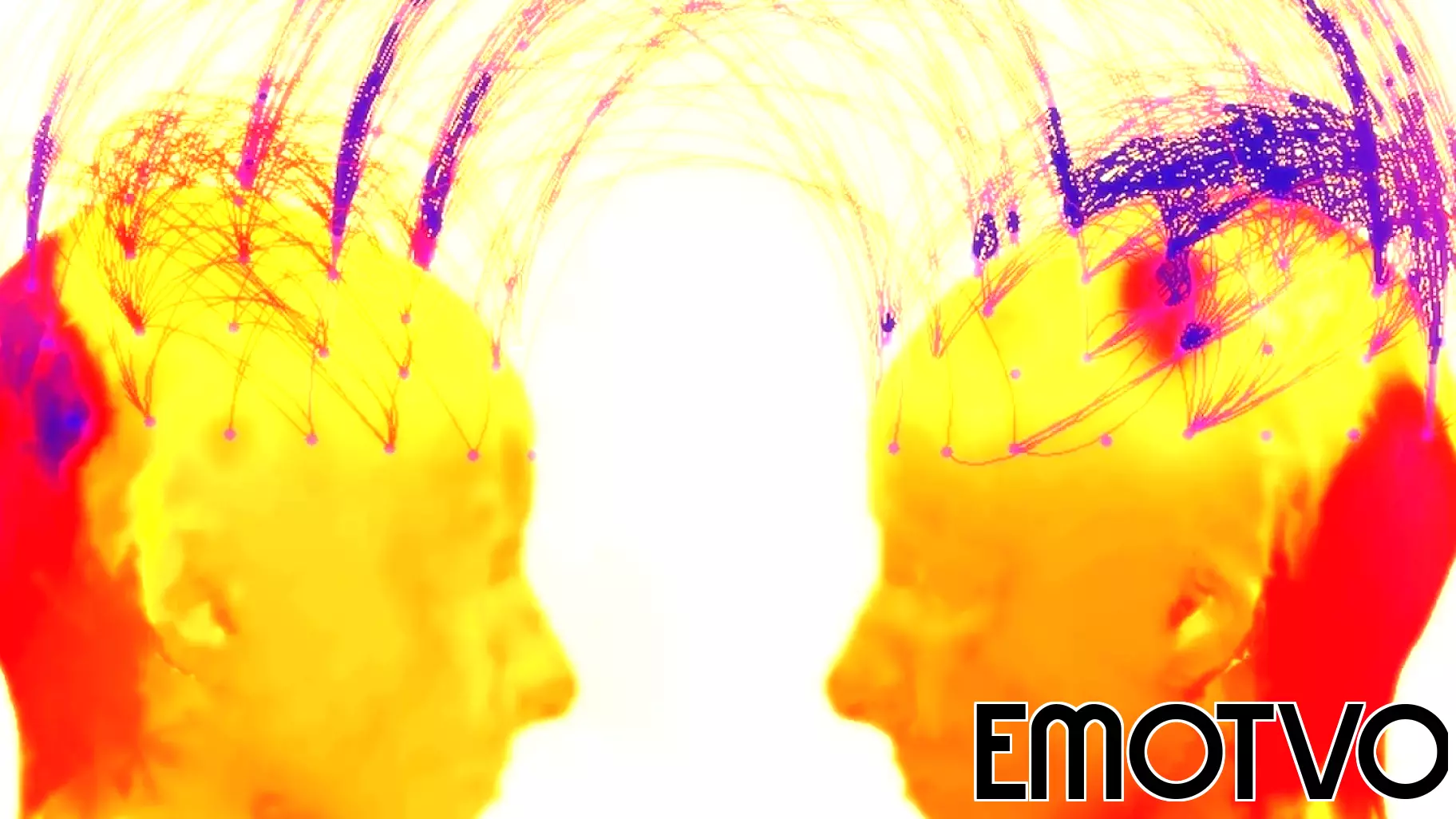
For decades, artificial intelligence research focused on building ever-smarter solitary systems. We trained models to master chess, generate poetry, and solve complex equations alone in digital rooms. But a growing body of neuroscience research now suggests that the most powerful form of intelligence does not live inside a single brain at all. It emerges between minds.
Studies of human cognition increasingly show that our best thinking happens when two or more people interact. Conversation, debate, and shared attention create a kind of collective intelligence that no individual could produce alone. Brain scans reveal that during deep collaboration, neural patterns between two people begin to synchronize. One person's brain activity predicts the other's, almost as if they are running the same cognitive program across two different machines.
This finding poses a serious challenge to the current path of AI development. Large language models and other systems are trained on static data. They have no real-time partner. No one is thinking with them. They are brilliant solitaires, not collaborators. They can mimic conversation, but they lack the shared context, the mutual adjustment, the moment-by-moment coupling that makes human intelligence truly adaptive.
Some researchers now argue that the next leap in machine intelligence will not come from bigger models or more data. It will come from building systems that can genuinely couple with a human mind. That means AI that listens not just to words, but to hesitation, to rhythm, to the unspoken. It means machines that can be shaped by a partner in real time, rather than simply retrieving pre-trained answers.
If this view holds, the future of intelligence is not about building a better brain. It is about building a better bridge.
MORE NEWS
July 22, 2026 - 19:43
Autism Underrepresented Among Women and Minority IdentitiesThe understanding of autism has shifted significantly in recent years, with clinicians and researchers now recognizing that the condition does not always present in the same way. For decades, the...

July 22, 2026 - 02:27
Mental health programs alone won’t fix psychological injury among public safety workersA growing body of research suggests that mental health programs, while helpful, are not enough to address the rising rates of psychological injury among public safety workers. Police officers,...

July 21, 2026 - 09:37
Psychology says people who never cut birthday cakes may not dislike celebrations; here’s what it reveals about themWalk into almost any birthday or anniversary gathering and there is a good chance the cake appears at some point. Candles are lit, cameras come out and everyone pauses for the familiar ritual...

July 20, 2026 - 18:54
Psychology says people who can't throw things away may be holding onto more than just objectsAccording to psychological research, the inability to throw things away goes far beyond simple laziness or stubbornness. When people keep items that no longer serve any practical purpose, they are...