Biological Psychiatry and the Allure of the Simple
August 3, 2026 - 17:26
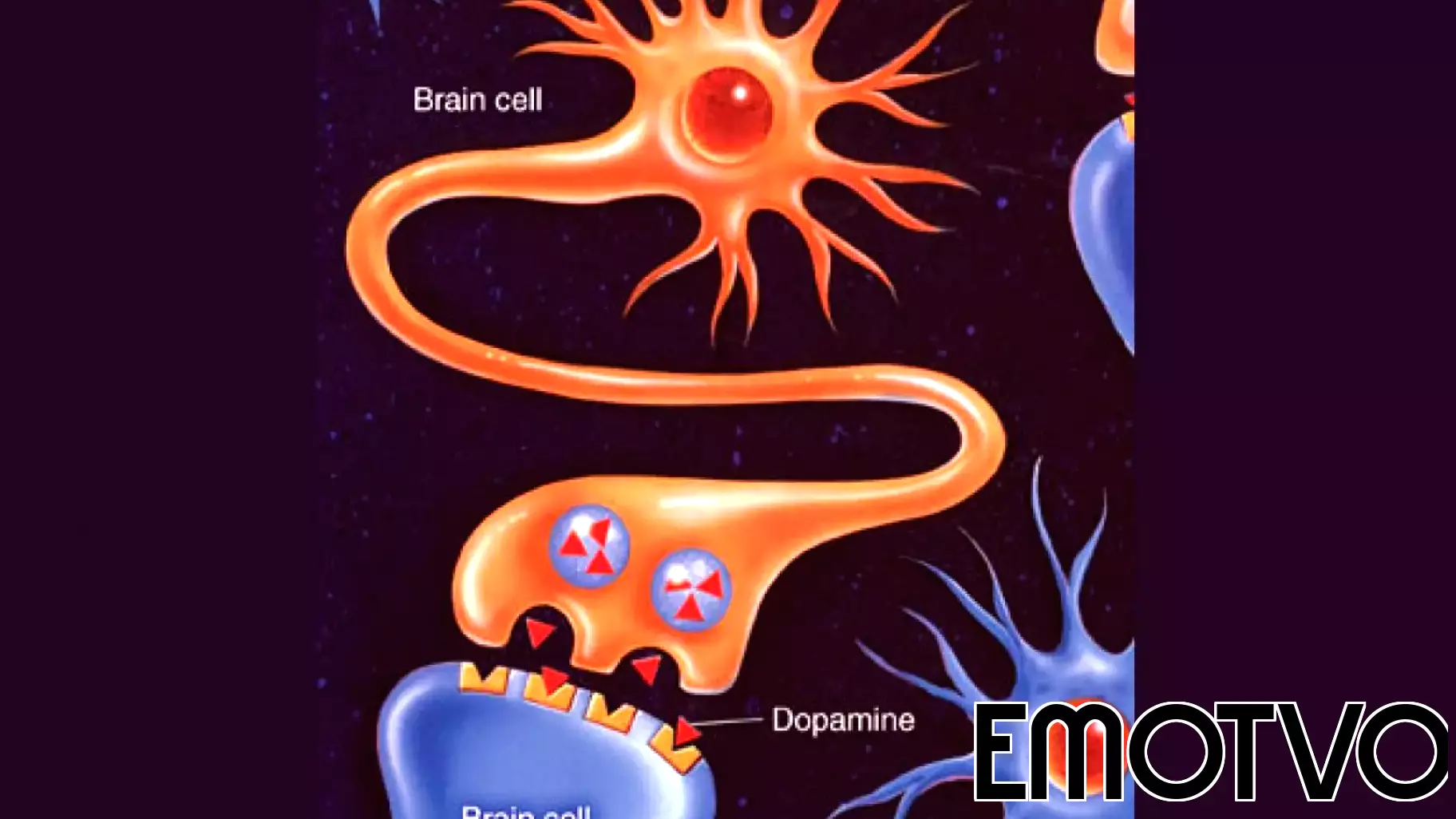
The history of psychiatry is often written as a battle between the talking cure and the pill. But a new book, "The Madness Pill," argues that the real turning point was a single, seductive idea: that mental illness is simply a chemical imbalance. The story centers on Sol Snyder, a brilliant and ambitious neuroscientist at Johns Hopkins in the 1960s.
Snyder was convinced that schizophrenia was not a psychological mystery but a biological one. He believed the key lay in dopamine, a neurotransmitter. His theory was elegant and powerful: too much dopamine in the brain caused hallucinations and delusions. If you could block it, you could cure the disease. This was not just a hypothesis; it was a promise of simplicity in a field drowning in complexity.
The book details how Snyder's work, alongside his graduate student Candace Pert, led to the discovery of opiate receptors and a new understanding of how drugs work in the brain. But it also shows the darker side of this biological revolution. The dopamine theory, while groundbreaking, was never fully proven. It was a useful model, but it became a dogma. Drug companies loved it because it justified a flood of new antipsychotics. Patients loved it because it gave them a label that was not their fault. But the book asks a hard question: did we trade one kind of stigma for another, and did we stop listening to what patients were actually saying?
The allure of the simple is powerful. Snyder's legacy is not just a scientific discovery, but a cultural shift. He gave psychiatry a story it could tell itself, a story of molecules and receptors. But as "The Madness Pill" shows, the brain is never that simple, and the mind even less so. The book is a fascinating, critical look at how a good idea, taken too far, can shape an entire field for decades.
MORE NEWS

August 3, 2026 - 02:14
The Hidden Lifespan Risk in MenWhen the pandemic closed his hardware store, my father stopped leaving the house for anything but groceries. Within a year, his blood pressure spiked, his knees swelled, and his mood flattened into...

July 31, 2026 - 08:49
Huntingdon Valley resident, longtime psychology professor leaves retirement to teach at Gratz CollegeA Huntingdon Valley man who spent decades in the classroom has decided that retirement was not for him. Dr. Edward Beck, a longtime psychology professor, has returned to teaching at Gratz College...

July 30, 2026 - 22:13
Do You Treat Sex as Sacred?The way people think about sex is deeply personal, and what it means to one person can be completely different for another. For some, sex is a casual act of pleasure or connection. For others, it...

July 30, 2026 - 00:05
Beyond the Fight: Understanding the Psychology of Violence in Martial ArtsAt its core, martial arts training is about learning to handle physical conflict. But anyone who has spent serious time in a dojo knows that real progress goes far beyond perfecting a roundhouse...