The Hidden Mental Health Cost of News on Social Media
January 22, 2026 - 21:05
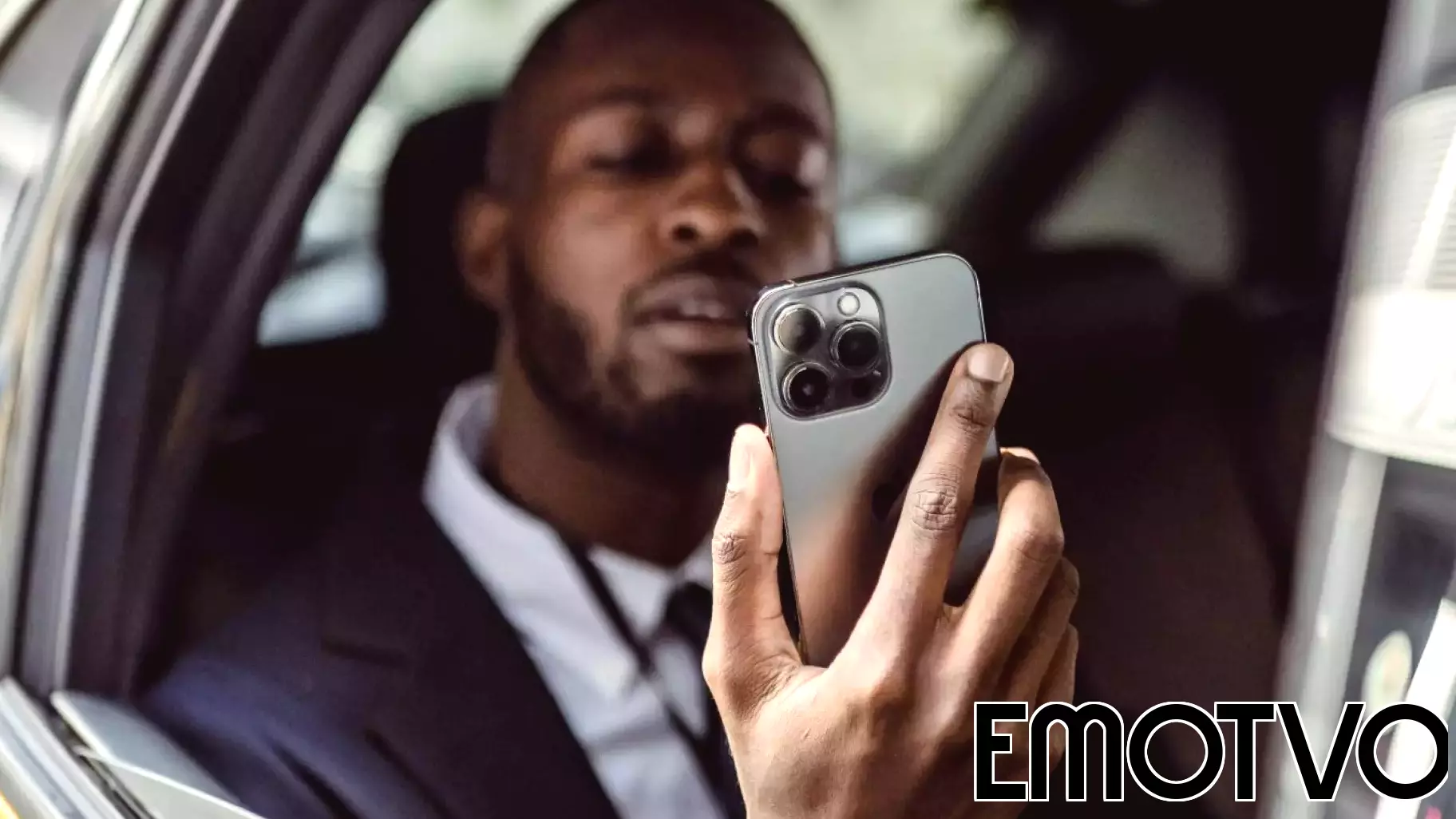
The constant stream of news on social media is exacting a heavy, often hidden, price on our collective mental well-being. While these platforms keep us connected to global events, experts warn that the manner of consumption creates significant psychological trade-offs.
Unlike traditional news outlets, social media delivers information in a relentless, algorithm-driven feed designed to maximize engagement, frequently prioritizing alarming or emotionally charged content. This can lead to a state of chronic stress and a phenomenon known as "doomscrolling," where users find themselves compulsively consuming negative news despite feeling worse afterward. The curated nature of the feed also often strips stories of vital context, heightening feelings of anxiety, helplessness, and outrage.
Furthermore, the blend of serious news alongside personal updates and entertainment creates a jarring cognitive dissonance, making it difficult to process tragic events. This environment can erode our sense of agency and fuel a distorted perception of the world as more dangerous than it is. The result is not simply being informed, but being worn down. Mental health professionals emphasize the need for intentional consumption, advising users to set strict time limits, seek out balanced sources, and prioritize direct engagement with their immediate community to mitigate these pervasive effects.
MORE NEWS
July 22, 2026 - 19:43
Autism Underrepresented Among Women and Minority IdentitiesThe understanding of autism has shifted significantly in recent years, with clinicians and researchers now recognizing that the condition does not always present in the same way. For decades, the...

July 22, 2026 - 02:27
Mental health programs alone won’t fix psychological injury among public safety workersA growing body of research suggests that mental health programs, while helpful, are not enough to address the rising rates of psychological injury among public safety workers. Police officers,...

July 21, 2026 - 09:37
Psychology says people who never cut birthday cakes may not dislike celebrations; here’s what it reveals about themWalk into almost any birthday or anniversary gathering and there is a good chance the cake appears at some point. Candles are lit, cameras come out and everyone pauses for the familiar ritual...

July 20, 2026 - 18:54
Psychology says people who can't throw things away may be holding onto more than just objectsAccording to psychological research, the inability to throw things away goes far beyond simple laziness or stubbornness. When people keep items that no longer serve any practical purpose, they are...