The Evil Clown Psychology: How Birthday Boy Bridges Generational Horror
March 28, 2026 - 14:48
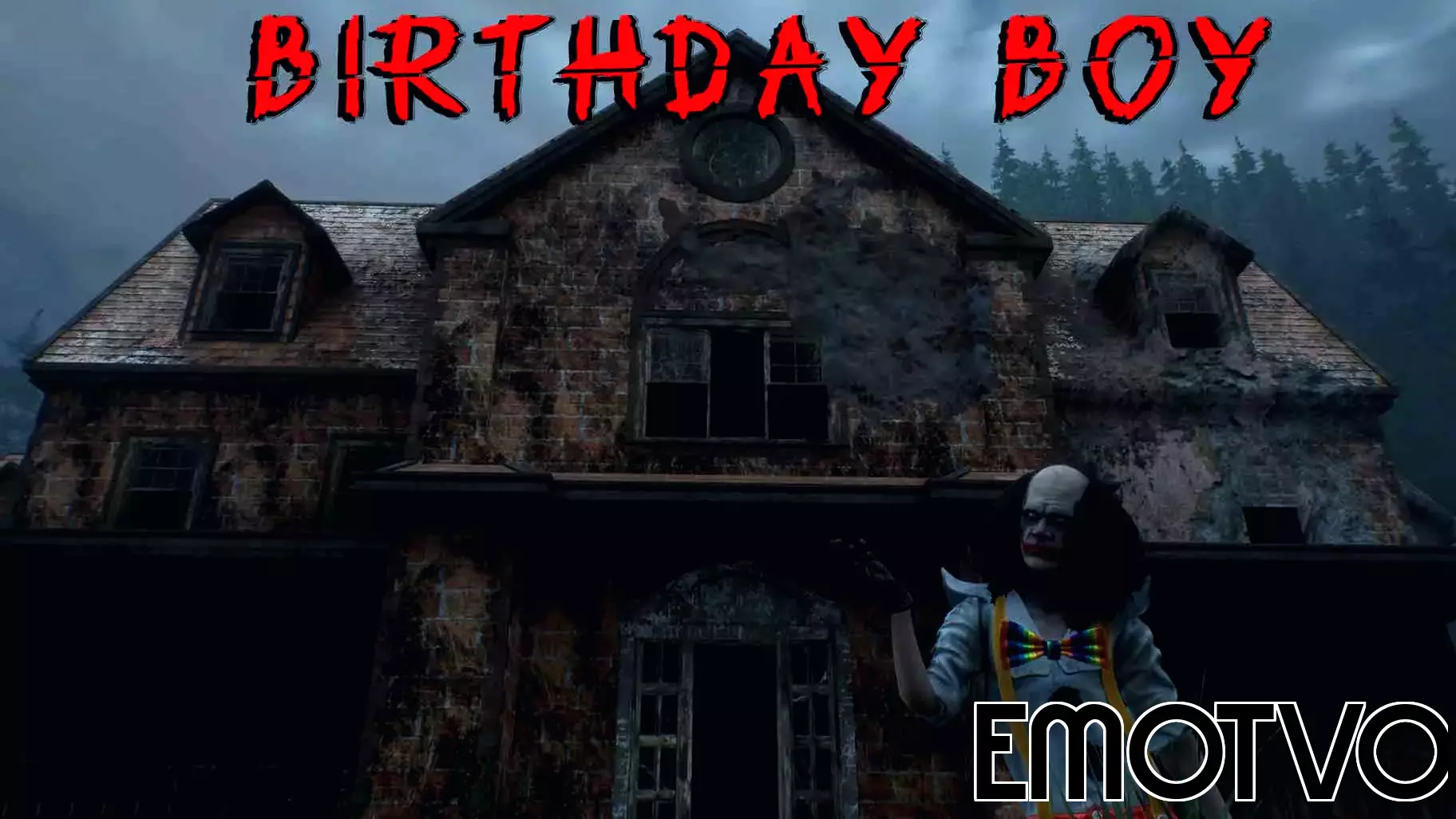
The image of the clown, once a universal symbol of joy, has undergone a sinister transformation in modern horror. The short film "Birthday Boy" masterfully taps into this deep-seated cultural unease, using its central clown figure to explore psychological terror that bridges generations.
At its core, the clown's horror lies in the violation of expectation. Its exaggerated smile and colorful costume promise fun, but its behavior subverts that promise, creating profound cognitive dissonance. This makes the figure inherently untrustworthy. In "Birthday Boy," the clown is not just a monster; it is a perversion of childhood innocence, invading the sacred space of a birthday celebration. This invasion amplifies the terror, targeting a universal memory of safety and joy.
Symbolically, the clown often represents the chaos lurking beneath societal order. Its makeup is a mask, hiding true intentions and identity, which plays on the very human fear of deception. The film leverages this by placing the clown in a domestic setting, suggesting that darkness can invade anywhere. Furthermore, the clown’s silent, persistent presence evokes a primal fear of the stalker, an entity whose motives are inscrutable and whose pursuit is relentless.
Ultimately, "Birthday Boy" connects with audiences because it utilizes a trope that has evolved into a cultural shorthand for hidden menace. The creepy clown succeeds by exploiting the vulnerability of childhood and the adult's lingering fear that the world is not as safe or as sincere as it appears.
MORE NEWS

August 10, 2026 - 23:55
When Did Your Relationship Become So Serious?Long-term couples often slip into a rhythm that feels more like running a small business than sharing a life. You coordinate calendars, divide chores, manage finances, and plan for the future. It...

August 9, 2026 - 07:43
Psychology suggests people who suddenly downsize their lives in their 60s — smaller house, fewer clothes, shorter guest lists — aren't giving up, they're finally noticing what was costing them without earning its keepA growing body of psychological research suggests that people in their sixties who suddenly shrink their lives are not surrendering to age. They are conducting a late-stage audit. The smaller house...
August 8, 2026 - 20:15
Why We Can’t Look Away From Perez Hilton’s MeltdownIf you have spent any time online in the last few days, you have likely seen the warnings. Friends, influencers, and random commenters are all saying the same thing: do not watch the Perez Hilton...

August 8, 2026 - 13:11
Gold in a world of AI-driven markets: Does human psychology still matter?In 2026, trading desks lean on machine learning models that scan headlines and macro data in real time alongside years of price history, and gold has become one of the more interesting tests of...