The Unified Mind: How AuDHD Thinking Turns Complexity Into Connection
May 9, 2026 - 22:08
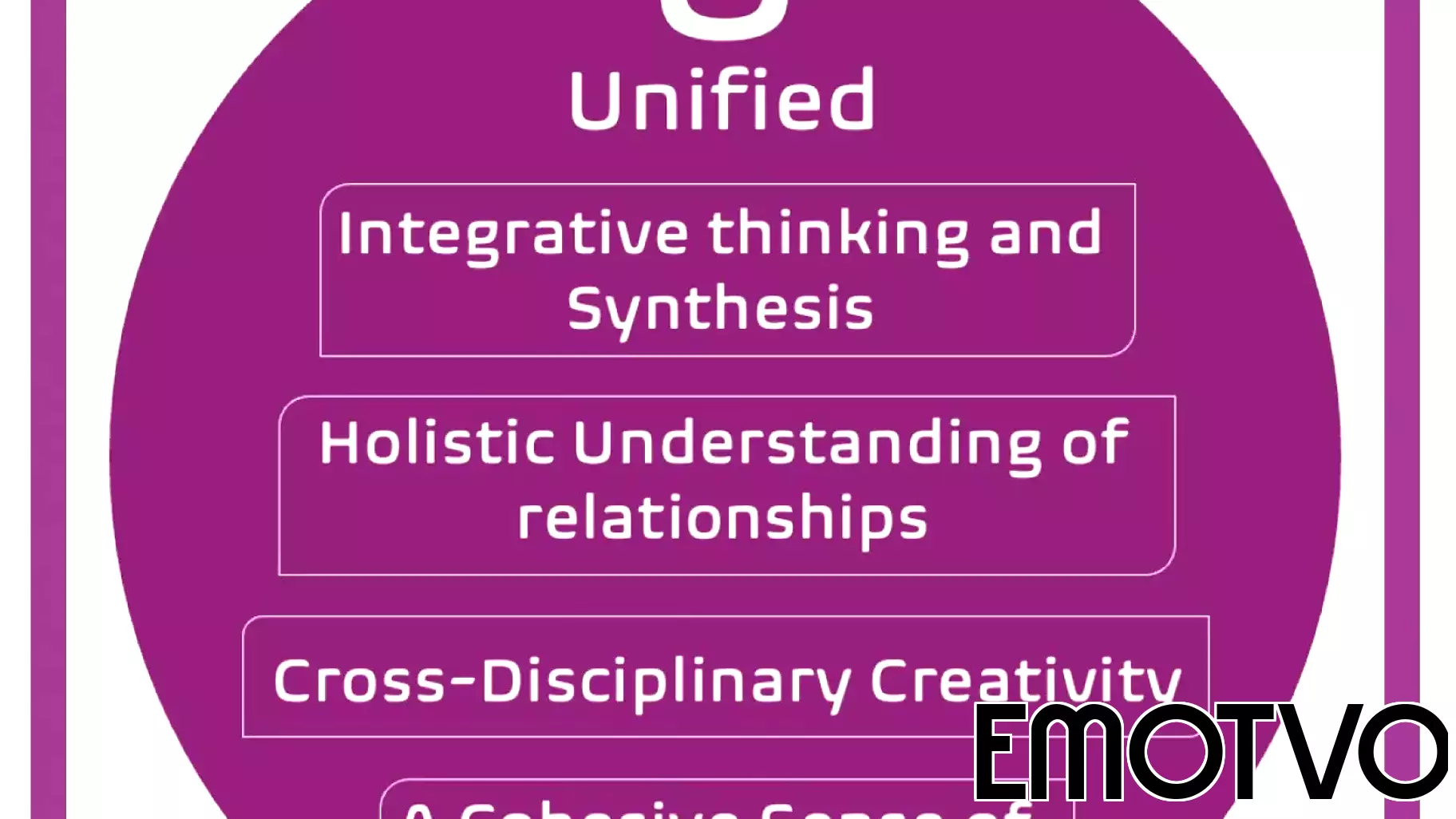
For years, the co-occurrence of autism and ADHD was misunderstood, often dismissed as diagnostic confusion or a rare overlap. But a growing body of lived experience and clinical insight is revealing something far more nuanced: the AuDHD brain is not simply a mix of two conditions, but a distinct, unified way of processing the world. This integrated thinking style, many argue, is not a deficit to be managed, but a powerful lens for finding meaning, connection, and insight where others see only chaos.
The classic image of AuDHD is one of contradiction. The autistic need for routine clashes with the ADHD craving for novelty. Hyperfocus on a special interest can be derailed by a sudden spike in impulsivity. Yet, those who live with this neurotype describe a different reality. The "contradictions" are actually complementary forces. The autistic drive for deep, systematic understanding provides the structure; the ADHD drive for broad, divergent exploration provides the fuel. Together, they create a thinking style that can hold multiple, complex ideas at once, seeing patterns and connections that linear processing might miss.
This unified approach transforms daily experience. A mundane task becomes a web of sensory details, historical context, and potential improvements. A social interaction is read not just for words, but for the full architecture of tone, body language, and unspoken rules. The result is a rich, layered understanding of the world. The downside is real: overwhelm and burnout are constant risks. But the upside is a capacity for synthesis, for seeing the big picture and the tiny detail simultaneously, that can lead to creative breakthroughs, deep empathy, and a profound sense of purpose.
The key, many advocates say, is not to treat the AuDHD mind as a problem to be solved, but as a unique operating system. When the focus is on leveraging the unified whole rather than fighting the parts, the result is a life lived with unusual depth, insight, and a powerful sense of self. The struggle is real, but so is the strength.
MORE NEWS

August 10, 2026 - 23:55
When Did Your Relationship Become So Serious?Long-term couples often slip into a rhythm that feels more like running a small business than sharing a life. You coordinate calendars, divide chores, manage finances, and plan for the future. It...

August 9, 2026 - 07:43
Psychology suggests people who suddenly downsize their lives in their 60s — smaller house, fewer clothes, shorter guest lists — aren't giving up, they're finally noticing what was costing them without earning its keepA growing body of psychological research suggests that people in their sixties who suddenly shrink their lives are not surrendering to age. They are conducting a late-stage audit. The smaller house...

August 8, 2026 - 20:15
Why We Can’t Look Away From Perez Hilton’s MeltdownIf you have spent any time online in the last few days, you have likely seen the warnings. Friends, influencers, and random commenters are all saying the same thing: do not watch the Perez Hilton...

August 8, 2026 - 13:11
Gold in a world of AI-driven markets: Does human psychology still matter?In 2026, trading desks lean on machine learning models that scan headlines and macro data in real time alongside years of price history, and gold has become one of the more interesting tests of...