Local officer bridges psychology and flight for the Navy
May 4, 2026 - 18:01
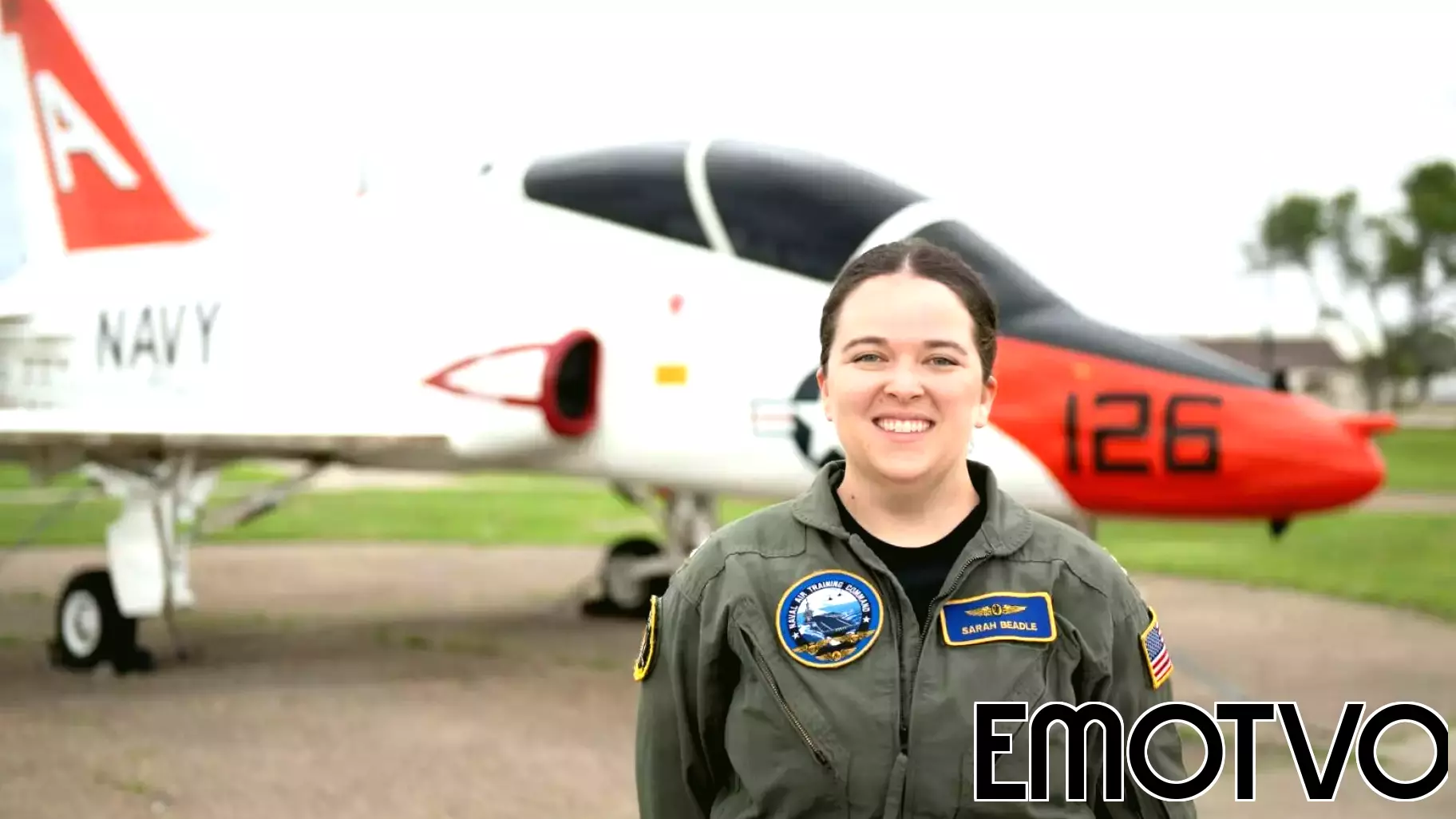
CORPUS CHRISTI, Texas -- The U.S. Navy employs more than 54,000 officers, but only 30 of them hold the specialized title of Aerospace Experimental Psychologist. Lieutenant Sarah Beadle, a native of the area, is one of those rare few.
Her job is not what most people picture when they think of military psychology. Instead of sitting in an office, Beadle works directly with pilots and flight crews. She studies how the human mind and body handle the extreme demands of naval aviation. This includes everything from how pilots process information during high-speed maneuvers to how they manage fatigue on long missions.
Beadle's work helps design better cockpits, improve training simulators, and develop new procedures that keep pilots safe. She says the key is understanding that a pilot's brain is the most critical piece of equipment in the aircraft. If the mind fails, the mission fails.
Her path to this niche career started with a deep interest in both science and flying. She earned a doctorate in psychology but also trained to fly. That combination allows her to speak the same language as the aviators she supports. When a pilot reports a problem with spatial disorientation or reaction time, Beadle understands the technical and physical factors at play.
She sees her role as a bridge between two worlds. The goal is to make sure that as technology advances, the human element is never left behind. For Beadle, the most rewarding part is seeing her research applied in real time, helping a pilot make a split-second decision that saves lives.
MORE NEWS

August 10, 2026 - 23:55
When Did Your Relationship Become So Serious?Long-term couples often slip into a rhythm that feels more like running a small business than sharing a life. You coordinate calendars, divide chores, manage finances, and plan for the future. It...

August 9, 2026 - 07:43
Psychology suggests people who suddenly downsize their lives in their 60s — smaller house, fewer clothes, shorter guest lists — aren't giving up, they're finally noticing what was costing them without earning its keepA growing body of psychological research suggests that people in their sixties who suddenly shrink their lives are not surrendering to age. They are conducting a late-stage audit. The smaller house...

August 8, 2026 - 20:15
Why We Can’t Look Away From Perez Hilton’s MeltdownIf you have spent any time online in the last few days, you have likely seen the warnings. Friends, influencers, and random commenters are all saying the same thing: do not watch the Perez Hilton...

August 8, 2026 - 13:11
Gold in a world of AI-driven markets: Does human psychology still matter?In 2026, trading desks lean on machine learning models that scan headlines and macro data in real time alongside years of price history, and gold has become one of the more interesting tests of...