FO Talks: The Psychology of Geopolitics — How Authoritarianism Impacts Human Behavior
August 19, 2026 - 19:21
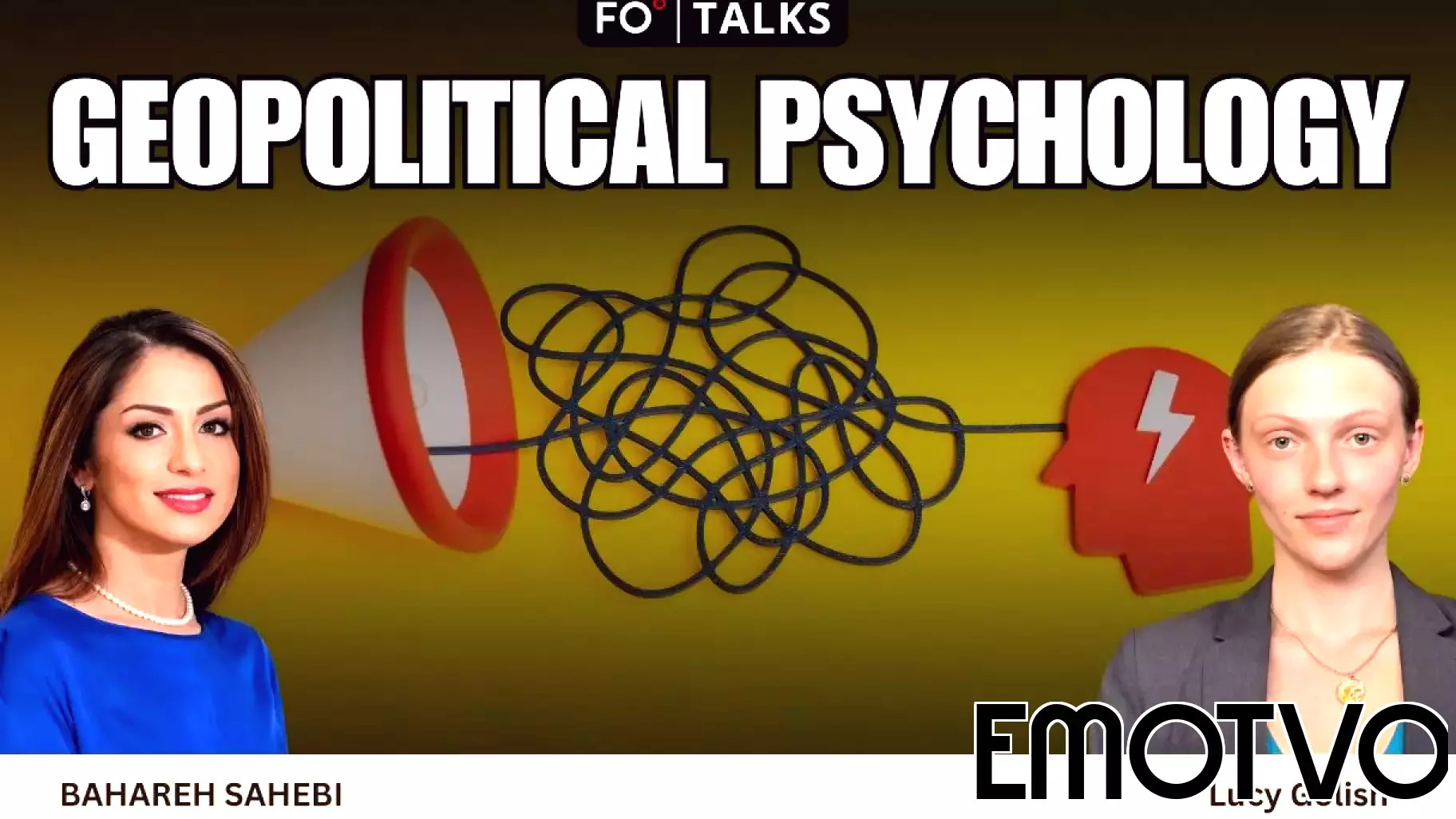
In a recent episode of FO Talks, hosts Lucy Golish and Bahareh Sahebi take a deep look at the intersection of political structures and human psychology. The conversation centers on a question that is both timely and uncomfortable: how do authoritarian systems alter the way people think, feel, and relate to one another?
The discussion moves beyond simple descriptions of political repression. Instead, it digs into the subtle, often invisible ways that living under a rigid hierarchy affects individual behavior. The hosts examine how fear and uncertainty can reshape decision-making, pushing people toward conformity and away from independent thought. They also touch on the psychological toll of constant surveillance, where self-censorship becomes second nature and trust erodes between neighbors and even family members.
What stands out in the dialogue is the focus on normalization. Over time, people adapt to their environment, and what once seemed extreme can begin to feel ordinary. This adaptation is not a sign of weakness but a survival mechanism. The hosts discuss how this process impacts everything from workplace dynamics to personal relationships, creating a society where obedience is valued over creativity and where questioning authority feels like a personal risk.
The episode also considers the role of collective memory and how regimes often rewrite history to control the present. By shaping what people remember, they influence how people imagine the future. This psychological dimension, the hosts argue, is just as important as political or economic factors in understanding why authoritarian systems persist.
The conversation is not purely academic. It raises practical questions about resilience and the capacity for critical thinking under pressure. How do individuals maintain a sense of agency when the system is designed to strip it away? What are the small acts of resistance that keep a society's psychological health intact? These are the threads that Golish and Sahebi pull on, offering a thoughtful and sobering look at the human cost of political control.
MORE NEWS

August 19, 2026 - 14:40
Psychology says seniors giving up night driving is never just about the eyesight — it’s the first negotiation older people face in a long series about independence, and how a family handles this one sets the terms for all the restFor many older adults, the decision to stop driving after sunset is rarely a simple matter of failing vision. Psychologists who study aging point out that this moment is often the first major...

August 18, 2026 - 22:50
Are You Living Under Your Adult Child’s Weather?You know the tone. The way they say `Mom?` or `Dad?` with that specific weight behind it. It is not a question. It is a warning system. Before the words even form, you are already bracing, scanning...

August 18, 2026 - 12:27
What Is Christian Counseling? How American Christians Split Over the Science of the MindSomewhere in America this week, a depressed Christian will sit down across from a counselor who believes that her fundamental problem is not a disorder but a sin. In another office, a different...

August 17, 2026 - 23:44
Mental health and peer support: Sometimes online communities can helpThe role of social media in mental health, especially through online peer support groups, remains a complicated and often contradictory picture. While some studies point to clear benefits, others...