Psychology says seniors giving up night driving is never just about the eyesight — it’s the first negotiation older people face in a long series about independence, and how a family handles this one sets the terms for all the rest
August 19, 2026 - 14:40
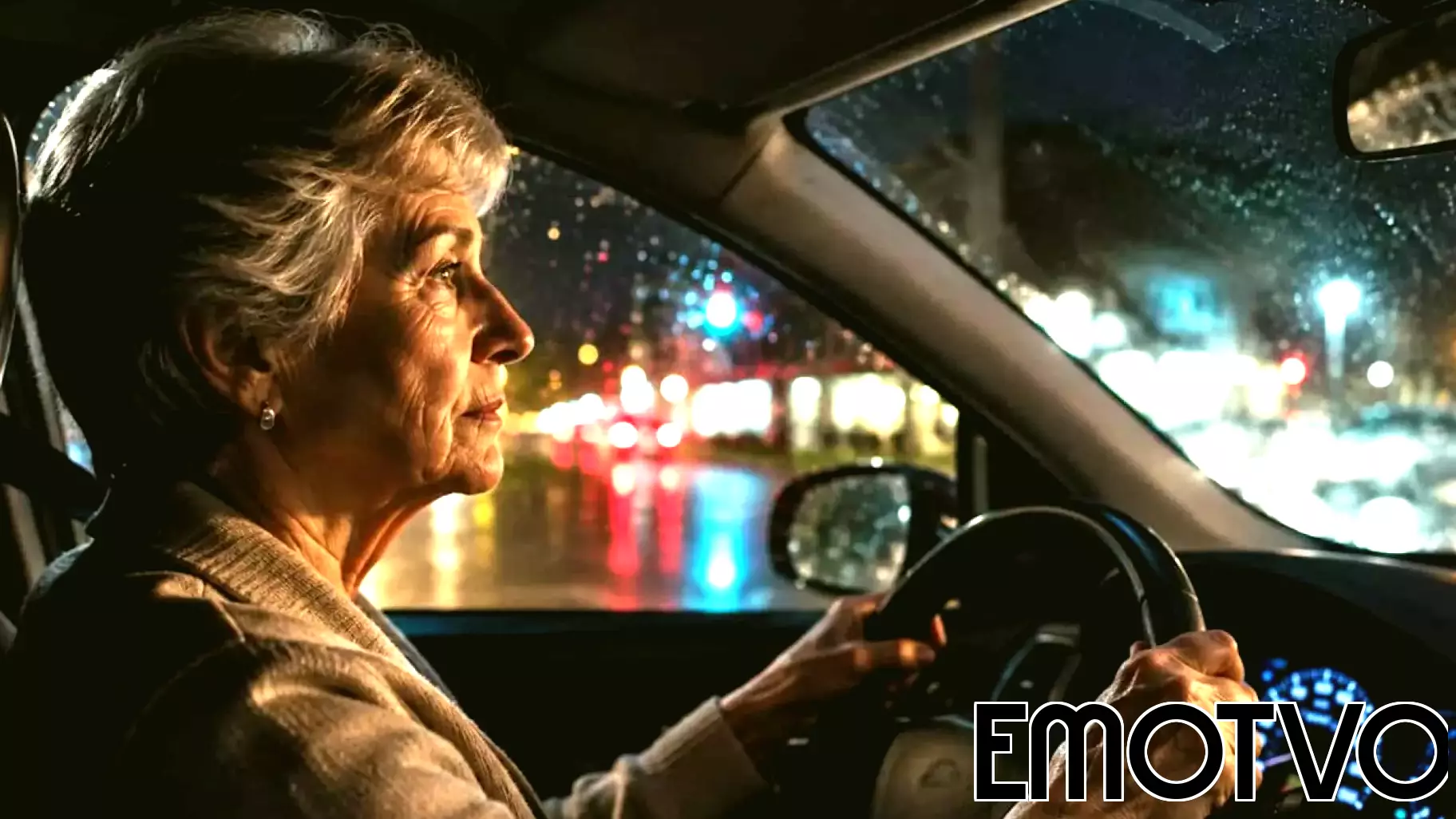
For many older adults, the decision to stop driving after sunset is rarely a simple matter of failing vision. Psychologists who study aging point out that this moment is often the first major negotiation in a longer conversation about independence. It is not just about headlights or street signs. It is about what it means to still have a say in one's own life.
When a senior mentions that they feel less comfortable on the road at night, families often hear a practical problem. But the older person is usually testing something deeper. They are asking whether their judgment still matters, whether their preferences will be respected, and whether they will be included in decisions that affect them. The way a family responds to this first small surrender sets a pattern for everything that follows, from giving up cooking for large gatherings to accepting help with medications.
If the response is rushed or dismissive, the senior may learn that admitting a limitation leads to losing control. They might hide other struggles next time. But if the conversation is handled with patience, and the senior is treated as a partner rather than a problem, the trust built here can carry through harder transitions later.
The key is to separate the loss of one activity from the loss of a role in the family. A person can stop driving at night and still help plan trips, still choose the restaurant, still be the one who knows the best route for the morning errands. Losing one piece of independence does not have to mean losing the right to participate in what comes next. When families remember that, the negotiation becomes less about surrender and more about finding a new way to share the road together.
MORE NEWS

August 18, 2026 - 22:50
Are You Living Under Your Adult Child’s Weather?You know the tone. The way they say `Mom?` or `Dad?` with that specific weight behind it. It is not a question. It is a warning system. Before the words even form, you are already bracing, scanning...

August 18, 2026 - 12:27
What Is Christian Counseling? How American Christians Split Over the Science of the MindSomewhere in America this week, a depressed Christian will sit down across from a counselor who believes that her fundamental problem is not a disorder but a sin. In another office, a different...

August 17, 2026 - 23:44
Mental health and peer support: Sometimes online communities can helpThe role of social media in mental health, especially through online peer support groups, remains a complicated and often contradictory picture. While some studies point to clear benefits, others...

August 17, 2026 - 00:46
Healing the Healer: New Insights into Moral Injury in MedicineOne of the most difficult parts of working in medicine is not the long hours or the complex procedures, but the quiet toll it takes on your own emotional health. A growing body of research is now...