Belonging Matters. But Mattering Matters, Too
February 10, 2026 - 01:09
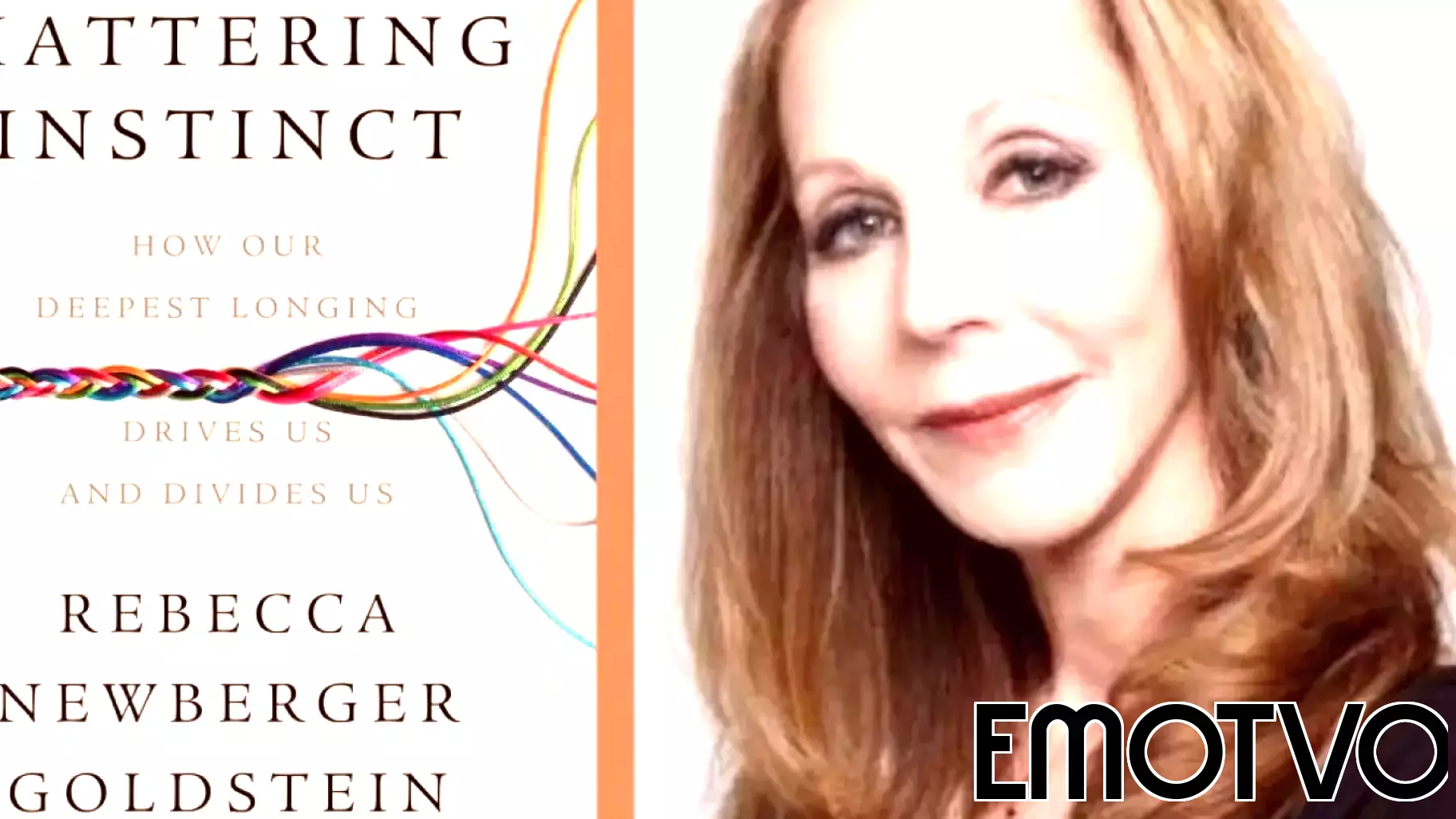
The human need to belong is a powerful force, driving us to seek community and connection. However, new sociological insights suggest that belonging alone is insufficient for a flourishing society. In fact, conflating simple inclusion with the deeper state of "mattering" may carry unintended risks.
Mattering goes beyond mere presence in a group. It is the profound sense that our actions have significance, that we are seen as individuals capable of contributing value. When communities offer belonging without fostering this genuine agency and recognition, they create a void. This gap can become a fertile ground for extremist ideologies, which often provide a potent, if dangerous, sense of purpose and impact to those who feel otherwise invisible.
The path forward emphasizes not just bringing people in, but ensuring their voices are heard and their actions can effect change. It involves reclaiming personal agency and a shared commitment to truthful discourse. Ultimately, cultivating environments where people believe they matter—where they have a real stake and a meaningful role—is foundational to building resilient communities and fulfilling individual lives. This shift from passive inclusion to active significance is what creates a society truly worth belonging to.
MORE NEWS

August 10, 2026 - 23:55
When Did Your Relationship Become So Serious?Long-term couples often slip into a rhythm that feels more like running a small business than sharing a life. You coordinate calendars, divide chores, manage finances, and plan for the future. It...

August 9, 2026 - 07:43
Psychology suggests people who suddenly downsize their lives in their 60s — smaller house, fewer clothes, shorter guest lists — aren't giving up, they're finally noticing what was costing them without earning its keepA growing body of psychological research suggests that people in their sixties who suddenly shrink their lives are not surrendering to age. They are conducting a late-stage audit. The smaller house...

August 8, 2026 - 20:15
Why We Can’t Look Away From Perez Hilton’s MeltdownIf you have spent any time online in the last few days, you have likely seen the warnings. Friends, influencers, and random commenters are all saying the same thing: do not watch the Perez Hilton...

August 8, 2026 - 13:11
Gold in a world of AI-driven markets: Does human psychology still matter?In 2026, trading desks lean on machine learning models that scan headlines and macro data in real time alongside years of price history, and gold has become one of the more interesting tests of...