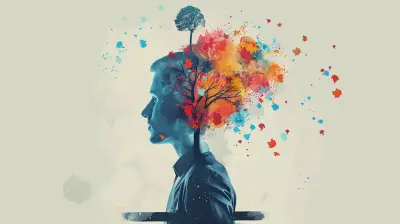
Unlocking Inner Strength: The Science of Psychological Resilience
6 August 2026
Life is unpredictable. One moment, everything seems perfect; the next, you're hit with an unexpected challenge. Some people crumble under pressure, while others rise above it, seemingly unshaken. What’s their secret? Psychological resilience.
Resilience isn’t just about enduring hardships—it’s about bouncing back stronger. It's the mental muscle that keeps us going when life gets tough. But here's the thing: resilience isn’t something you're born with; it's something you can build.
So, how do you unlock your inner strength and develop unshakable resilience? Let’s dive into the science behind it and uncover practical ways to strengthen your mental toughness.

What is Psychological Resilience?
Psychological resilience is the ability to adapt, recover, and grow from adversity. It’s what prevents stress, trauma, and challenges from overwhelming you. Think of it like a rubber band—when stretched, it doesn’t snap; it returns to its original shape.But resilience isn’t just about surviving tough times. It’s about learning, growing, and thriving despite them. It’s what separates those who stay stuck in hardship from those who become stronger because of it.

The Science Behind Resilience: Why Some People Bounce Back Faster
Scientists have long studied why some people handle stress better than others. While genetics play a role, resilience is largely shaped by psychological and environmental factors. Let’s break it down:1. Neuroplasticity: Your Brain Can Adapt
Your brain is constantly rewiring itself based on experiences. This ability, known as neuroplasticity, allows you to develop new coping mechanisms and build resilience over time. The more you practice handling stress effectively, the stronger your mental resilience becomes.2. The Role of Cortisol: Managing Stress Hormones
When faced with adversity, your body releases cortisol—the stress hormone. While a little cortisol is helpful in fight-or-flight situations, excessive levels can harm your mental health. Resilient individuals have a better ability to regulate their cortisol levels, preventing chronic stress from taking over.3. Emotional Intelligence: Understanding and Controlling Feelings
People with high emotional intelligence recognize their emotions and manage them effectively. Instead of being overwhelmed by negative feelings, they acknowledge them, process them, and move forward.4. Positive Thinking: The Power of Optimism
Ever met someone who, no matter how bad things get, always sees a silver lining? Optimism is a key trait of resilience. Research shows that people who practice positive thinking are more likely to recover from setbacks and maintain overall well-being.
How to Build Psychological Resilience
Now that you know resilience isn’t just an innate trait but something that can be developed, let’s talk about how you can strengthen yours.1. Shift Your Mindset: Embrace Challenges
Think of challenges as opportunities for growth rather than roadblocks. Instead of saying, "Why is this happening to me?" ask, "What can I learn from this?" This simple shift in perspective can make all the difference.2. Strengthen Your Support System
You don’t have to go through tough times alone. Surround yourself with supportive friends, family, or mentors. Having a strong support system provides emotional security and helps you navigate difficulties more effectively.3. Practice Self-Compassion
We are often our harshest critics. But beating yourself up over mistakes and failures only makes resilience harder. Treat yourself with the same kindness you would offer a friend. Accept that setbacks are part of life and don't define your worth.4. Develop Emotional Awareness
Recognizing your emotions helps you control them instead of letting them control you. Practicing mindfulness, journaling, or simply pausing to reflect on your feelings can help you develop emotional intelligence.5. Foster Healthy Coping Mechanisms
Not all coping mechanisms are created equal. While some people turn to unhealthy habits (like substance abuse or avoidance), resilient individuals develop healthy strategies. Exercise, meditation, creative outlets, or talking to a trusted friend can help regulate emotions and maintain mental stability.6. Stay Optimistic (Without Ignoring Reality)
Optimism doesn’t mean ignoring hardships—it means believing in your ability to bounce back. When times are tough, remind yourself that difficulties are temporary and that you have the strength to overcome them.7. Develop a Growth-Oriented Mindset
People with a growth mindset believe that abilities and intelligence can be developed through effort. Instead of seeing failures as proof of incompetence, they see them as learning experiences. Embracing this mindset makes you naturally more resilient.8. Prioritize Physical Wellness
Your mental resilience is closely tied to your physical health. Getting enough sleep, eating well, and exercising regularly contribute to better emotional regulation and stress management. When your body feels good, your mind functions better.9. Establish a Sense of Purpose
Having a strong sense of purpose gives you something to hold onto during hard times. Whether it’s personal growth, helping others, or striving for a goal, having meaning in life strengthens resilience.10. Learn from Past Experiences
Think back to past challenges you’ve overcome. What worked? What didn’t? Reflecting on previous hardships helps you recognize your own strength and develop better coping skills.
How Resilience Affects Mental Health
The benefits of resilience go beyond handling tough times—it improves overall mental well-being. Resilient individuals experience:✅ Less anxiety and depression
✅ Better problem-solving skills
✅ Higher self-confidence
✅ Stronger emotional stability
By cultivating resilience, you’re not just preparing for future challenges; you’re enhancing your quality of life.
Final Thoughts: Strengthen Your Mind Like a Muscle
Resilience isn’t a trait reserved for a lucky few—it’s a skill anyone can develop. Like a muscle, the more you train it, the stronger it becomes. The key is consistency.Start incorporating small changes into your daily life—practice optimism, manage stress, embrace challenges, and prioritize self-care. Over time, you’ll find yourself becoming more adaptable, emotionally strong, and ready to face anything life throws your way.
So, are you ready to unlock your inner strength? The power to bounce back stronger is already within you. It’s time to unleash it.
all images in this post were generated using AI tools
Category:
Psychological ResilienceAuthor:

Gloria McVicar