Understanding Social Facilitation: How Others Affect Our Performance
23 April 2026
Ever noticed how you tend to put in more effort when someone's watching? Maybe you were jogging in the park and picked up the pace as a group of strangers passed by. Or perhaps you cleaned your house like never before because guests were on their way. Believe it or not, this isn’t just about pride or ego—it’s psychology in action. There's a fascinating phenomenon at play here, and it's called social facilitation.
But what exactly is social facilitation? Is it always positive? And why do some people seem to thrive under pressure while others freeze up completely? Let’s peel back the layers of this mental mystery and find out what really happens when all eyes are on us.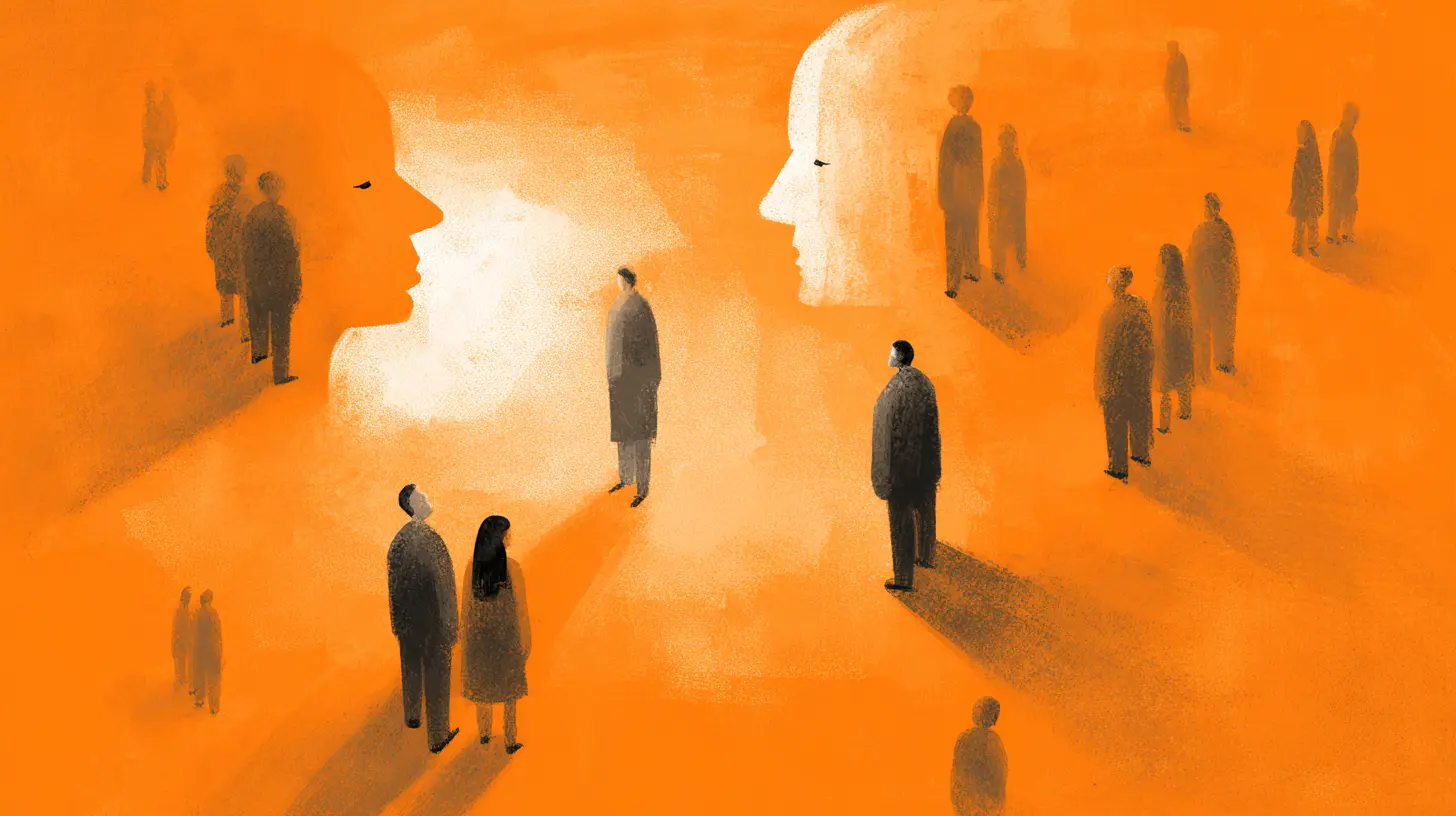
What Is Social Facilitation, Anyway?
At its core, social facilitation refers to the way our performance changes when we know others are watching us. Sometimes we do better. Sometimes, well… not so much. The term might sound like something out of an academic journal, but it plays out in everyday life more often than you think.The Origin Story: From Cockroaches to Humans
Back in the 1960s, psychologist Robert Zajonc conducted a series of experiments. You’d think he’d start with humans, right? Nope—cockroaches. Yep, tiny creepy crawlers taught us something profound about ourselves.Zajonc found that cockroaches ran faster through a simple maze when other cockroaches were watching. But in a more complex maze? Their performance dropped. The conclusion? The mere presence of others ramps up our physiological responses, which helps with tasks we're already good at but hinders us when we’re out of our depth.
Turns out, we’re not all that different from cockroaches in this regard. Who knew?
The Psychology Behind the Phenomenon
So, what’s happening inside our brains when someone’s watching us? Social facilitation is all about arousal—not the romantic kind, but psychological arousal, which is basically how alert and energized we feel.How Arousal Changes Performance
When others are around, we get a little jolt of mental energy. Think of it like a shot of espresso for your brain. This arousal can sharpen focus and energize performance—but only if you know what you're doing. If you’re still learning or unsure, that extra energy can make you mess up or freeze.In psychology, this is explained by the Yerkes-Dodson Law, which shows that performance improves with arousal—but only to a point. After that, too much arousal becomes overwhelming, and performance crashes. It's a delicate balance, like tuning a guitar. Too tight? Strings snap. Too loose? It sounds off.
When Social Facilitation Helps You Shine
Let’s talk about the good side of social facilitation—the moments when you’re in the zone, fueled by public attention.1. Mastery Matters
Imagine you’ve practiced a speech a thousand times. Now imagine delivering it in front of a live audience. You might actually perform better because the presence of others kicks your brain into high gear. This is dominant response theory in action. When a task is well-practiced or simple, social presence amplifies the dominant (i.e., correct) response.2. Competitive Spirit
Ever heard the phrase “friendly competition”? It exists for a reason. When others are around, especially in a competitive setting, we often push ourselves harder. Whether it’s lifting more at the gym or typing faster in a timed test, a little competition lights a fire under us.3. Audience Encouragement
Sometimes it’s not just the people around us—it’s their responses. Cheers, applause, nods—these tiny affirmations can give us that extra boost. It's like fuel for our social engines.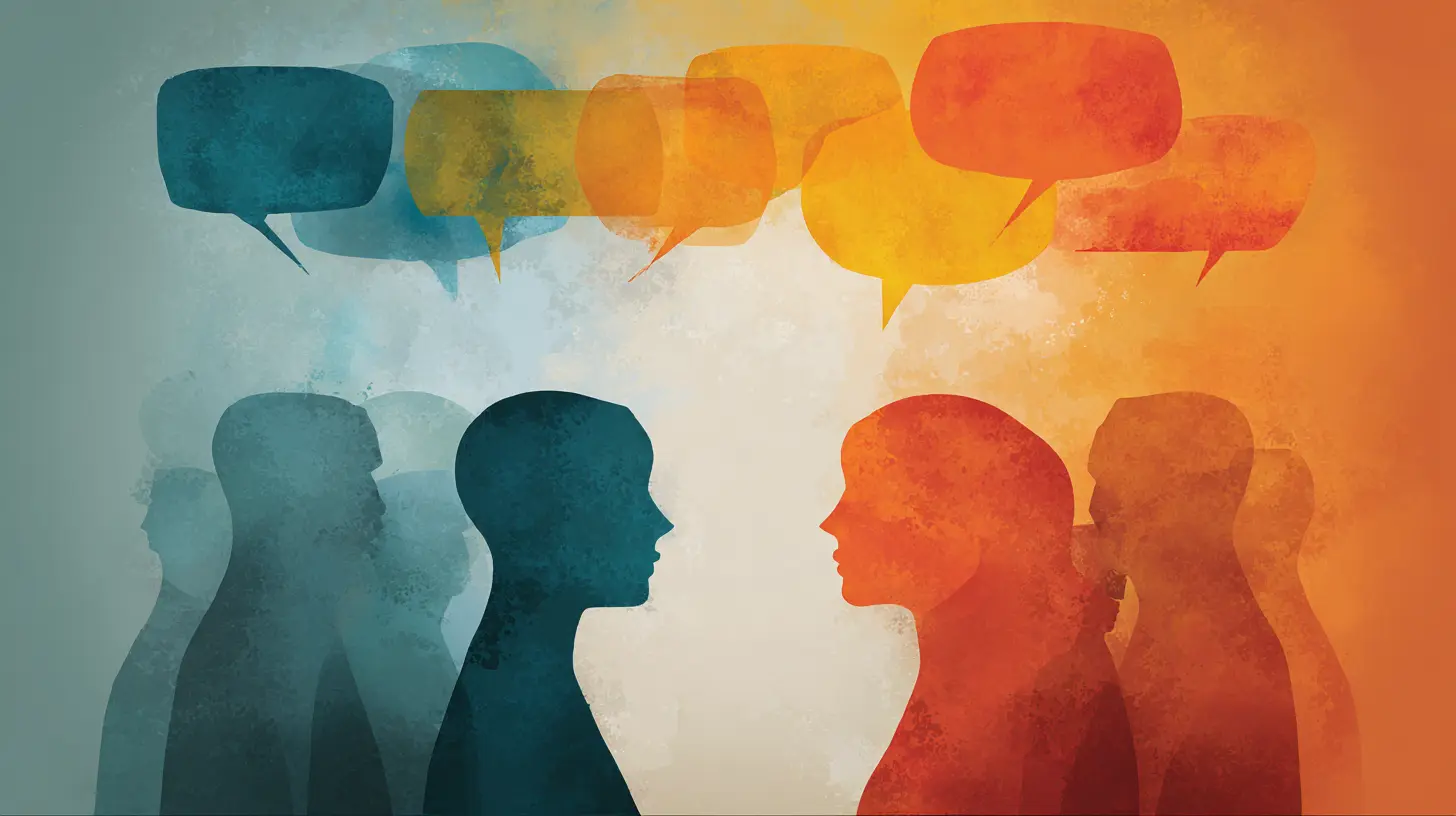
When Social Facilitation Backfires
But let’s not sugarcoat it. Social facilitation has a dark side too.1. The Choking Effect
Ever tried to show off your guitar skills at a party and ended up fumbling every chord? That’s social inhibition, the flip side of social facilitation. When a task is complex, unfamiliar, or just new, the presence of others can actually make you perform worse.Your brain’s arousal level shoots up too high, and instead of sharpening your focus, it scrambles it. You’re not relaxed and flowing—you’re self-conscious, shaky, and second-guessing every move.
2. Performance Anxiety
We’ve all experienced it in some form. The sweaty palms, the dry mouth, the racing heart. When the pressure to perform meets the fear of failure, anxiety takes the wheel. And anxiety? It’s not exactly the best co-pilot.3. Fear of Judgment
Some of us are more prone to this than others. Self-conscious individuals—those who are hyper-aware of how others perceive them—tend to be more impacted by negative social facilitation. Instead of finding motivation in the gaze of others, they feel paralyzed by it.The Role of Personality in Social Facilitation
Believe it or not, your personality traits have a lot to say about how you respond to social presence.1. Introverts vs. Extroverts
Extroverts, who thrive in social settings, often experience positive social facilitation. They get jazzed up by attention and use it to perform better. Introverts, on the other hand, may find public scrutiny mentally exhausting. Instead of boosting performance, it can drain their cognitive faculties.2. Confidence Levels
A confident person might see an audience as a chance to shine, while someone lacking self-belief might view it as an opportunity to fail. In this case, mindset becomes a self-fulfilling prophecy.Real-Life Examples That Hit Close to Home
Let’s take this out of the lab and into the real world. After all, this isn’t just a theory—it’s a lived experience.1. Sports Arenas
Athletes are the poster children for social facilitation. Think of a basketball player thriving in front of a roaring crowd. Or, on a bad day, missing slam dunks they’d usually nail in practice. The crowd's energy can be both rocket fuel and kryptonite.2. Classrooms & Exams
Ever noticed how some students excel during presentations but stumble in solo work? Or vice versa? Teachers might think it's just nerves. But really, it's the push-and-pull of social facilitation and inhibition.3. Workplace Scenarios
From job interviews to team meetings, the presence of others can either polish your pitch or make your mind draw a blank. Those who can ride the social wave flourish; those who can’t often panic or underperform.Can You Train Yourself to Perform Better in Front of Others?
Absolutely. While some people naturally handle social pressure better, it’s a skill that can be built over time.1. Practice Until It’s Second Nature
The more familiar you are with a task, the more likely social facilitation will work in your favor. Think of it like putting your brain on autopilot. Confidence grows with competence.2. Visualization Techniques
Athletes use mental rehearsals for a reason. Visualizing success under pressure can train your brain to respond positively to social stimuli.3. Controlled Exposure
Start small. Speak up in a group of friends before hitting the stage at a conference. Gradual exposure helps desensitize your fear response and minimizes the negative effects of arousal.Why You Should Pay Attention to Social Facilitation
This isn’t just academic theory—it holds big implications for self-growth, leadership, parenting, teaching, and even marketing. Recognizing how and when people perform better (or worse) under observation helps build smarter teams, healthier minds, and better environments.Imagine tailoring a classroom to harness the power of social facilitation for collaborative learning. Imagine recognizing when your teammate needs solo time vs. when they’ll thrive in front of the group. It’s not just about psychology—it’s about empathy.
Final Thoughts
Social facilitation is one of those psychological quirks that we experience but rarely stop to analyze. Now that you’ve peeked behind the curtain, you can start recognizing its presence in your daily life. Whether it pushes you to be your best or holds you back depends on a handful of variables—task difficulty, personality traits, skill level, and how you mentally frame the presence of others.So next time you're about to perform—onstage, at work, in a game—ask yourself: am I fueled by the spotlight, or thrown off by it? Once you crack that code, you can start using social facilitation to your advantage.
And if you're ever in doubt, just remember our friend the cockroach. Even he performs better with an audience.
all images in this post were generated using AI tools
Category:
Social PsychologyAuthor:

Gloria McVicar
Discussion
rate this article
1 comments
Viviana Mercado
Social facilitation highlights how audience presence can enhance performance outcomes.
April 23, 2026 at 2:42 PM
Gloria McVicar
Thanks for your comment! It's interesting to see how audience presence can really boost performance and create a unique dynamic.