The Role of Nutrition in Supporting Mental Well-Being
17 March 2026
Let’s face it—what we eat affects more than just our waistlines. It plays a massive role in how we feel emotionally, mentally, and even spiritually. We often think of food as fuel, but it’s also medicine for the mind. And if you've ever felt foggy after a sugar crash or calm after a bowl of oats, you already have a glimpse into how tightly our brain and stomach are connected.
In this article, we’re diving deep into the relationship between nutrition and mental well-being. Expect simple explanations, practical tips, and a fresh perspective on how your meals might shape your moods more than you thought.
Why Nutrition Is More Than Just Calories
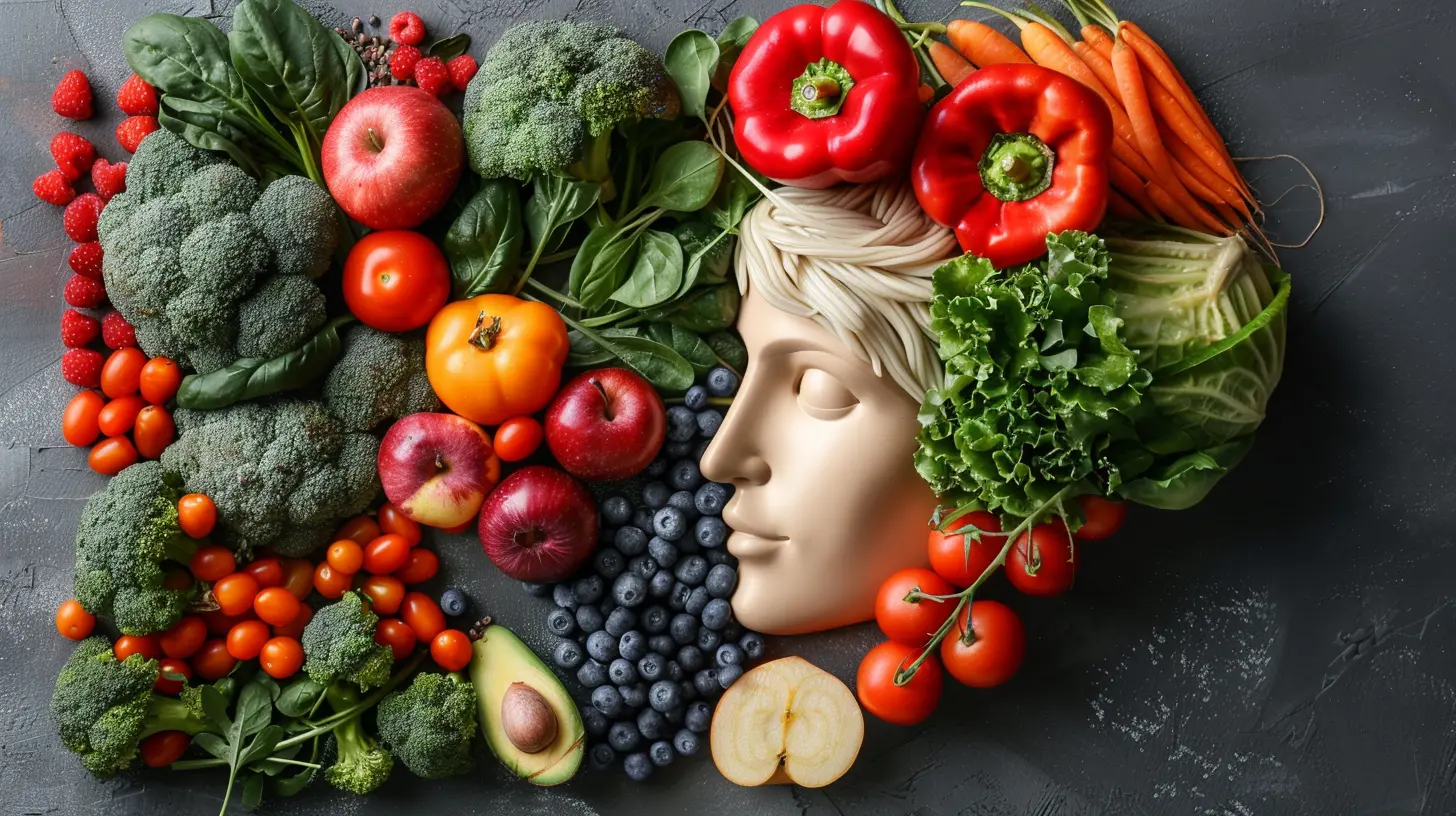
When we think “nutrition,” most of us imagine calories, carbs, or vitamins. But nutrition is so much more than numbers. It’s about what your body absorbs and how that affects your internal systems—including your brain.Your brain is always “on”—even when you're asleep. It uses a ton of energy (about 20% of your body’s total energy), and like any high-performance machine, it needs premium fuel. That fuel comes through the food you eat.
Your Gut and Brain Are Best Friends
Did you know the gut is often called the “second brain”? That’s because it contains millions of neurons and communicates constantly with your actual brain. This gut-brain connection plays a huge role in mood regulation, stress responses, and even long-term mental health conditions like anxiety and depression.So when your gut is out of whack—thanks to a poor diet—it can send stress signals to your brain. On the flip side, feeding it well can help support balanced moods and mental clarity.
How Specific Nutrients Impact Mental Health
Let’s break down the key players that help keep our minds sharp and spirits high.1. Omega-3 Fatty Acids: Brain Food 101
You’ve probably heard omega-3s are heart-healthy, but did you know they’re also crucial for brain health?Found in fatty fish (like salmon, sardines, and mackerel), walnuts, flaxseeds, and chia seeds, omega-3s help build brain cell membranes and are anti-inflammatory. Studies have linked omega-3 intake to lower rates of depression, better focus, and even slowed cognitive decline.
Not a fan of fish? Supplements can help, but whole food sources are always the gold standard.
2. B Vitamins: The Mood Stabilizers
B vitamins, especially B12, B6, and folate, are vital in producing brain chemicals like serotonin, dopamine, and GABA. These are the mood-regulating neurotransmitters that help us stay calm, focused, and content.Low levels of B vitamins can lead to irritability, fatigue, and even symptoms of depression.
Where to get them?
- Leafy greens (spinach, kale)
- Whole grains (brown rice, oats)
- Eggs
- Meat and dairy
- Legumes (beans, lentils)
3. Vitamin D: Sunshine in a Bottle
Vitamin D isn’t just about strong bones—it’s a mental health superstar. Low levels of vitamin D have been linked to seasonal affective disorder (SAD), depression, and even anxiety.Most of us don’t get enough from sunlight alone, especially during the winter months. That’s where fatty fish, fortified foods (like cereals or milk), and supplements come in.
4. Magnesium: The Chill Pill
Magnesium is involved in over 300 biochemical reactions in your body—many of which relate to stress and relaxation. It helps regulate cortisol, the stress hormone, and supports deep sleep.Signs of magnesium deficiency can include anxiety, difficulty sleeping, and even panic attacks.
Magnesium-rich foods:
- Pumpkin seeds
- Dark chocolate (yes, really!)
- Almonds
- Avocados
- Bananas
5. Probiotics: Gut Health = Mental Health
Remember the “second brain”? This is where probiotics come in. These friendly bacteria help keep your gut flora balanced, which directly affects your mood and mental clarity.Studies show that people who regularly consume probiotics report less anxiety and better emotional regulation.
You’ll find them in:
- Yogurt (with live cultures)
- Kefir
- Sauerkraut
- Kimchi
- Miso
Diet Patterns That Support Mental Well-Being
Instead of chasing individual nutrients (which can get overwhelming), it’s helpful to look at whole diet patterns that support a healthy mind.1. Mediterranean Diet
Not just for heart health! The Mediterranean diet—rich in vegetables, fruits, olive oil, legumes, nuts, whole grains, and fish—has been shown to reduce the risk of depression and cognitive decline.Why? It's anti-inflammatory, rich in brain-boosting fats and antioxidants, and low in processed junk.
2. Plant-Based or Plant-Forward Diets
You don’t have to go vegan to benefit. Simply adding more plant-based meals into your week can give your body additional fiber, antioxidants, and phytonutrients that help reduce oxidative stress in the brain.Think: Buddha bowls, veggie stir-fries, lentil soups, and smoothie bowls.
3. Anti-Inflammatory Diets
Inflammation is a root cause of many mental health disorders. Diets rich in sugar, trans fats, and processed foods fuel inflammation; those rich in whole foods help fight it.Focus on:
- Leafy greens
- Berries
- Turmeric
- Fatty fish
- Whole grains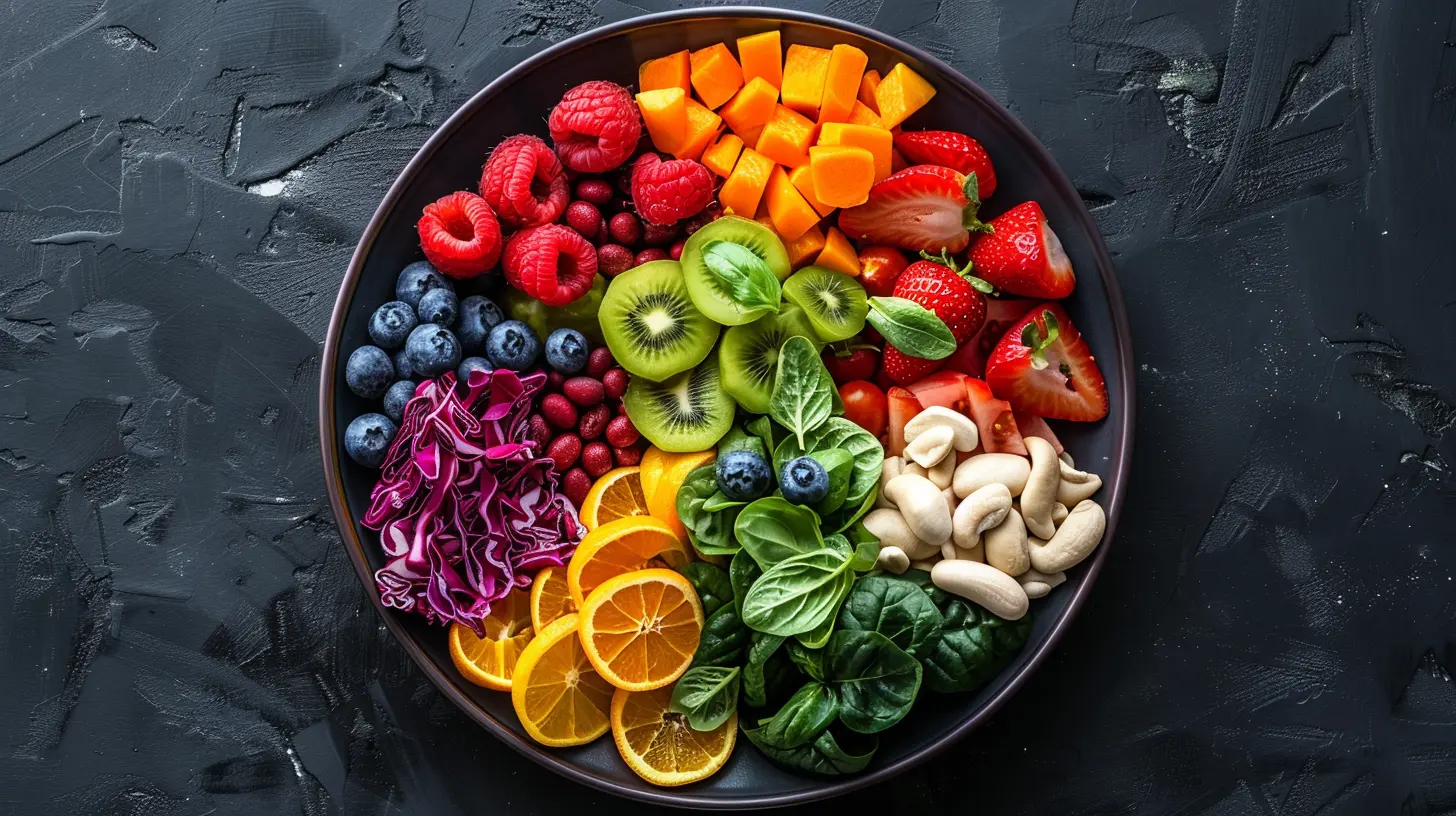
Foods That May Harm Mental Health
Alright, it’s not all sunshine and rainbows. Some foods can actually work against your mental health goals.1. Sugar and Refined Carbs
Ever notice how your mood crashes after a candy binge or fast-food feast? That rollercoaster isn’t in your head (well, technically, it is—but you get the idea). Sugar causes a spike in blood sugar and then a rapid crash, which can intensify symptoms of anxiety, irritability, and fatigue.2. Alcohol
Sure, a glass of wine may help you unwind. But alcohol is a depressant and can interfere with sleep quality, decision-making, and emotional stability. Over time, it disrupts neurotransmitter function and depletes your body of vital nutrients like B vitamins and magnesium.3. Processed Foods
Junk food may deliver instant gratification, but it doesn't do your brain any long-term favors. These foods usually lack critical nutrients and are packed with additives, preservatives, and unhealthy fats. It's like fueling a Ferrari with soda instead of premium gas.Tips for Eating for Better Mental Health
Now that you know what helps and what hurts, let’s talk real-life strategies.1. Eat Consistently
Skipping meals (or living off coffee) can mess with your blood sugar and mood. Aim for regular meals and snacks that combine complex carbs, protein, and a healthy fat source.Think: whole grain toast with avocado and eggs or a trail mix with nuts and dried fruit.
2. Hydration Matters
Your brain is about 75% water. Dehydration can cause brain fog, fatigue, and even headaches. Try aiming for at least 8 cups a day, more if you're active.Add mint, lemon, or cucumber to your water if plain H2O bores you.
3. Don’t Fear Fats
Healthy fats like those in walnuts, avocados, and olive oil are essential for brain health. Unlike the demonized trans fats in processed foods, these good fats can boost mood and memory.4. Go Easy on the Caffeine
A cup of coffee can give you a mental edge—but too much caffeine can increase anxiety, disrupt your sleep, and leave you jittery. Pay attention to how your body reacts and try not to rely on caffeine as a crutch.The Mindful Eating Connection
Eating for mental health isn’t just about what you eat—it’s also about how.Rushing meals? Scarfing down dinner in front of Netflix? These habits disconnect you from your body’s hunger cues and add to stress.
Try this:
- Sit down at the table.
- Eat slowly and savor each bite.
- Put down your fork between bites.
Mindful eating helps improve digestion, promotes satiety, and encourages a healthier relationship with food—not to mention it makes food more enjoyable.
Final Thoughts
Mental wellness is a puzzle with many pieces—therapy, exercise, sleep, relationships—but nutrition is one of the most overlooked factors. Think of your plate as your first line of defense (and offense!) in supporting your emotional and mental health.Start small. Swap out one processed meal a day. Add a handful of nuts. Drink an extra glass of water. Over time, these little changes stack up, building a foundation for mental strength and clarity.
Remember, you don’t have to be perfect—just consistently better. Your brain will thank you.
all images in this post were generated using AI tools
Category:
Mental WellnessAuthor:

Gloria McVicar
Discussion
rate this article
2 comments
Cassandra Hurst
Nutrition profoundly impacts mental health; balanced diets nourish the brain, enhance mood, and improve cognitive function.
March 25, 2026 at 4:34 AM
Gloria McVicar
Absolutely, a balanced diet is crucial for mental health. What we eat directly influences our brain function and overall mood.
Iliana Clarke
Thank you for this insightful article! The connection between nutrition and mental well-being is often overlooked. Your discussion highlights the importance of mindful eating for psychological health, which is so crucial in today's world.
March 23, 2026 at 4:08 AM
Gloria McVicar
Thank you for your kind words! I'm glad you found the article insightful—nutrition's impact on mental well-being is indeed vital and deserves more attention.