How to Use Visualization Techniques to Relieve Stress
9 January 2026
In today’s fast-paced world, stress seems like an inevitable part of our daily lives. Whether it’s work pressure, personal relationships, or even the constant bombardment of news and social media, it’s easy to feel overwhelmed. But here’s the thing: stress doesn’t have to control your life. One powerful yet often overlooked technique to manage stress is visualization.
Visualization may sound a bit woo-woo, but it’s actually a well-researched, scientifically backed tool used by everyone from athletes to business leaders. It’s a mental exercise that helps you create images, scenarios, or feelings in your mind to bring about a desired outcome. And guess what? It’s incredibly effective at reducing stress. But how can you use it in your everyday life?
Let’s dive into how visualization works and, more importantly, how you can use it to relieve stress.

What Exactly is Visualization?
Before we start talking about how to use it, let’s get clear on what visualization really is.Visualization is the process of creating vivid mental images or scenarios in your mind. You essentially "see" something in your imagination, as though it's real. It’s like daydreaming, but with intentionality. Instead of letting your mind wander aimlessly, you focus on specific positive or calming images to achieve a desired emotional state—like relaxation or peace.
But it’s not just about seeing. Visualization can also involve your other senses. You might “hear” the sound of ocean waves crashing, “feel” the warmth of the sun on your skin, or “smell” the fragrance of fresh flowers. The more sensory details you include, the more powerful your visualization becomes.
The beauty of visualization is that it taps into the brain’s natural ability to simulate experiences. Your brain can't always tell the difference between a real experience and a vividly imagined one. That means you can trick your brain into feeling like you’re in a calm, peaceful place, even if you're sitting in a noisy office or stuck in traffic.
How Does Visualization Help Reduce Stress?
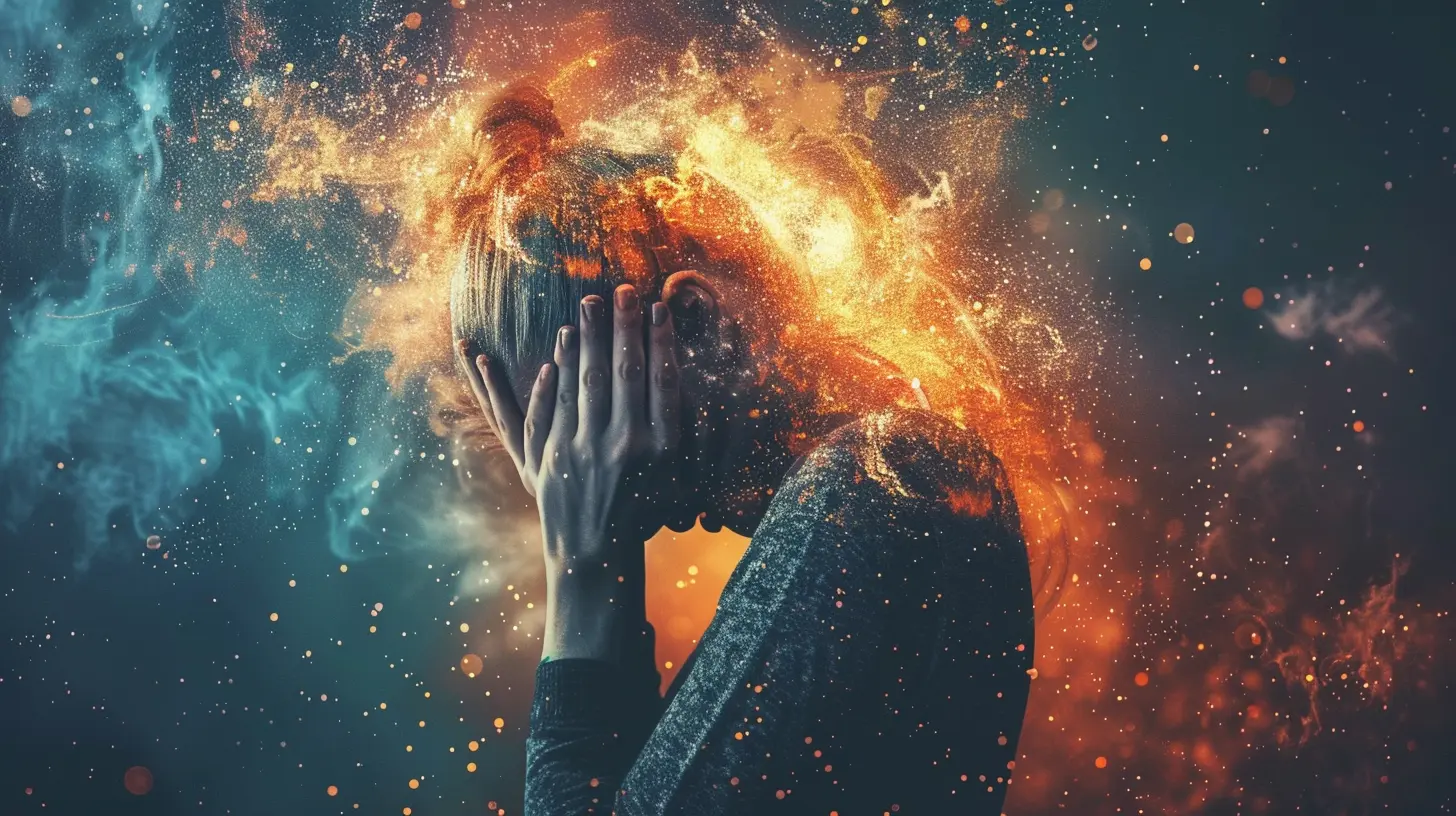
At its core, stress is a physiological response. Your body releases hormones like cortisol and adrenaline in response to perceived threats or challenges. This triggers your "fight or flight" response, preparing you to either run from danger or face it head-on. While useful in life-or-death situations, this response isn’t so helpful when you're just dealing with an angry email or a long to-do list.Visualization helps break this cycle by calming your mind and body. When you visualize a peaceful, relaxing scene, your brain interprets these images as real, which can lead to a reduction in stress hormones. Essentially, it shifts your brain from a state of stress to one of relaxation.

The Science Behind Visualization
If you’re wondering whether visualization is just some new-age nonsense, think again. There’s solid science backing its effectiveness.Studies have shown that visualization techniques can actually change the brain. Neuroplasticity—the brain's ability to reorganize itself by forming new neural connections—means that the more you practice visualization, the better your brain becomes at responding to it. Over time, your brain develops new pathways that help you relax quicker and more effectively.
In fact, research published in the journal Psychoneuroendocrinology discovered that people who regularly engaged in relaxation techniques, including visualization, experienced lower levels of cortisol, the primary stress hormone.
So, not only does visualization help in the short term, it can also make you more resilient to stress in the long run!

Types of Visualization Techniques for Stress Relief
Now that you know what visualization is and how it works, let’s explore some of the best visualization techniques you can use to reduce stress. You don’t need to be a meditation guru or have any special skills to get started. Just follow these simple techniques, and you’ll be on your way to a calmer, more peaceful state of mind.1. Guided Imagery
Guided imagery is one of the most popular forms of visualization. In this technique, you are guided through a series of mental images, typically by a recording or a practitioner, that help you imagine a peaceful or positive scenario.For example, you might be guided to imagine yourself sitting by a peaceful lake. As you visualize the scene, the guide will invite you to see the color of the water, feel the cool breeze on your skin, and hear the birds chirping nearby. The goal is to fully immerse yourself in the imagery, allowing the stress to melt away as your mind becomes absorbed in the tranquility of the scene.
How to Practice Guided Imagery:
- Find a quiet space where you won’t be interrupted.- Close your eyes and take a few deep breaths to relax.
- Listen to a guided imagery recording (you can find many online for free).
- Follow along with the imagery, allowing yourself to fully experience the scenario being described.
- When the session is over, take a moment to reflect on how you feel.
2. Progressive Relaxation Visualization
Progressive relaxation visualization combines visualization with a physical relaxation technique. In this practice, you systematically tense and then relax each muscle group in your body while visualizing the tension leaving your body and being replaced by calmness.This is especially helpful if your stress manifests physically (like tense shoulders or a stiff neck). By combining the act of physically relaxing your muscles with the mental imagery of stress being released, you can achieve a deeper state of relaxation.
How to Practice Progressive Relaxation Visualization:
- Start by sitting or lying down in a comfortable position.- Close your eyes and take a few deep breaths.
- Begin with your feet, tensing the muscles for a few seconds, then releasing the tension.
- As you release the tension, visualize the stress leaving your body. You might imagine it as a dark cloud dissipating or as a weight lifting off your shoulders.
- Move up through your body—your legs, torso, arms, and finally your face—repeating the process for each muscle group.
3. Positive Outcome Visualization
This technique focuses on visualizing a positive outcome or future event. If you're stressed about a specific situation, like an upcoming presentation or a difficult conversation, imagine yourself successfully navigating it. Picture yourself calm, confident, and capable.The idea is to rehearse a successful outcome in your mind, which can help you feel more prepared and reduce anxiety.
How to Practice Positive Outcome Visualization:
- Sit in a quiet place and close your eyes.- Take a few deep breaths to relax.
- Picture the situation that’s causing you stress.
- Now, visualize yourself handling the situation with ease. See yourself staying calm, giving clear answers, and receiving positive feedback.
- Try to engage as many senses as possible. What do you see, hear, smell, or feel in this positive scenario?
- Hold onto this image for several minutes, then slowly open your eyes.
4. Nature Visualization
There’s something inherently calming about nature, whether it’s the sound of waves crashing on the shore or the sight of a tranquil forest. But you don’t need to go on a hike to experience these benefits. Through visualization, you can bring the calming effects of nature into your mind, no matter where you are.How to Practice Nature Visualization:
- Find a quiet space and close your eyes.- Take a few deep breaths, and imagine yourself in a beautiful natural setting. This could be a beach, a forest, a meadow, or anywhere that feels peaceful to you.
- Visualize the details—the colors, the sounds, the textures. Feel the warmth of the sun, hear the rustling of leaves, or smell the salty sea air.
- Stay in this peaceful place for as long as you like, letting the calming sensations wash over you.
Tips for Effective Visualization
Visualization is a powerful tool, but like any skill, it requires practice. Here are some tips to help you get the most out of your visualization practice:1. Be Consistent
The more often you practice visualization, the more effective it becomes. Try to set aside a few minutes each day to practice, whether it’s first thing in the morning or right before bed.2. Engage All Your Senses
The more vivid and detailed your visualization, the more powerful it will be. Try to engage all your senses—sight, sound, touch, taste, and smell—when imagining a scene.3. Stay Patient
If you’re new to visualization, it might feel a little strange at first. That’s totally normal! Stick with it, and over time, it will become easier and more natural.4. Combine with Other Relaxation Techniques
Visualization works incredibly well when combined with other relaxation techniques like deep breathing, meditation, or yoga. Feel free to mix and match to find what works best for you.Conclusion: Make Visualization a Part of Your Stress-Relief Toolbox
Visualization is an accessible, effective, and completely free tool that can help you manage stress in your daily life. Whether you’re dealing with a stressful work situation or just need a quick mental break, taking a few minutes to visualize a peaceful scene can make a world of difference.So why not give it a try? The next time you’re feeling overwhelmed, close your eyes, take a deep breath, and let your mind transport you to a place of calm and serenity. You might be surprised at just how powerful your imagination can be.
all images in this post were generated using AI tools
Category:
Stress ManagementAuthor:

Gloria McVicar
Discussion
rate this article
2 comments
Jordan Reyes
Thank you for sharing these insightful visualization techniques! They offer practical ways to effectively manage stress in daily life.
January 27, 2026 at 6:02 PM
Gloria McVicar
You're welcome! I'm glad you found the techniques helpful. Wishing you peace and stress relief!
Marigold McQuillen
Effective techniques for stress relief through visualization!
January 13, 2026 at 4:58 PM
Gloria McVicar
Thank you! I'm glad you found the techniques helpful. Visualization can be a powerful tool for stress relief!