The Role of Gratitude in Managing Stress
29 April 2026
Let’s face it—stress is like that uninvited guest who shows up often and never seems to leave. Whether it’s work, relationships, money, or just the overwhelming pace of life, we’ve all been there. Now, here’s the kicker: what if I told you that something as simple as gratitude could be one of your most powerful tools to kick stress to the curb? Sounds a bit too easy, right? But stick with me—it’s backed by science, and it’s got more depth than it seems on the surface.
In this article, we're diving into how gratitude actually works in managing stress. We’ll talk about what makes it so effective, how it rewires your brain, and—most importantly—how you can start using it today (without needing a gratitude journal the size of a novel).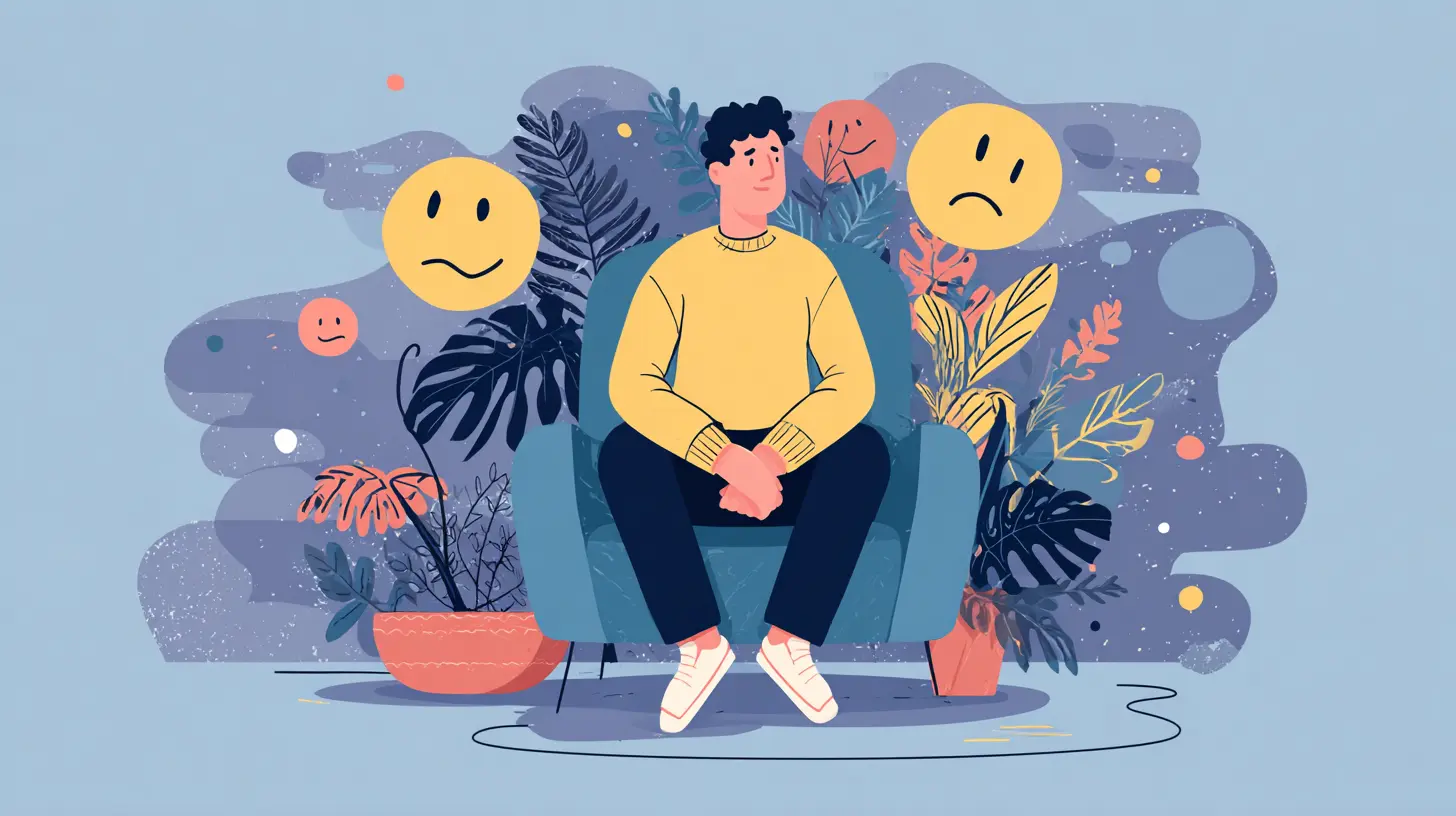
What Is Gratitude, Really?
Gratitude isn’t just saying “thank you” when someone holds the door open. It's much deeper—it’s a mindset, a way of tuning your brain to focus on the good stuff, even when life gets messy. It’s about acknowledging the positives, appreciating the small wins, and recognizing that not everything is out to get you—even on the bad days.Think of it like wearing emotional sunglasses. Gratitude doesn’t remove the sun (stress), but it definitely helps you handle the glare better. You start noticing things you’d usually overlook—the smile from a stranger, the quiet cup of coffee in the morning, the fact that your little plant hasn’t died yet. Small stuff, right? But that’s the point.
How Stress Works: A Quick Recap
Before we get into how gratitude helps, let’s understand the enemy. Stress isn’t all bad—it’s your body’s natural response to something challenging. It’s like an alarm system triggered by threats, whether physical or emotional. Problem is, in today’s world, the alarm keeps going off over emails, bills, and existential dread rather than actual danger.Chronic stress messes with everything—your sleep, your mood, your immune system, and even relationships. It floods your body with cortisol (your stress hormone), and if left unchecked, it can lead to burnout, anxiety, and even depression.
So where does gratitude come in?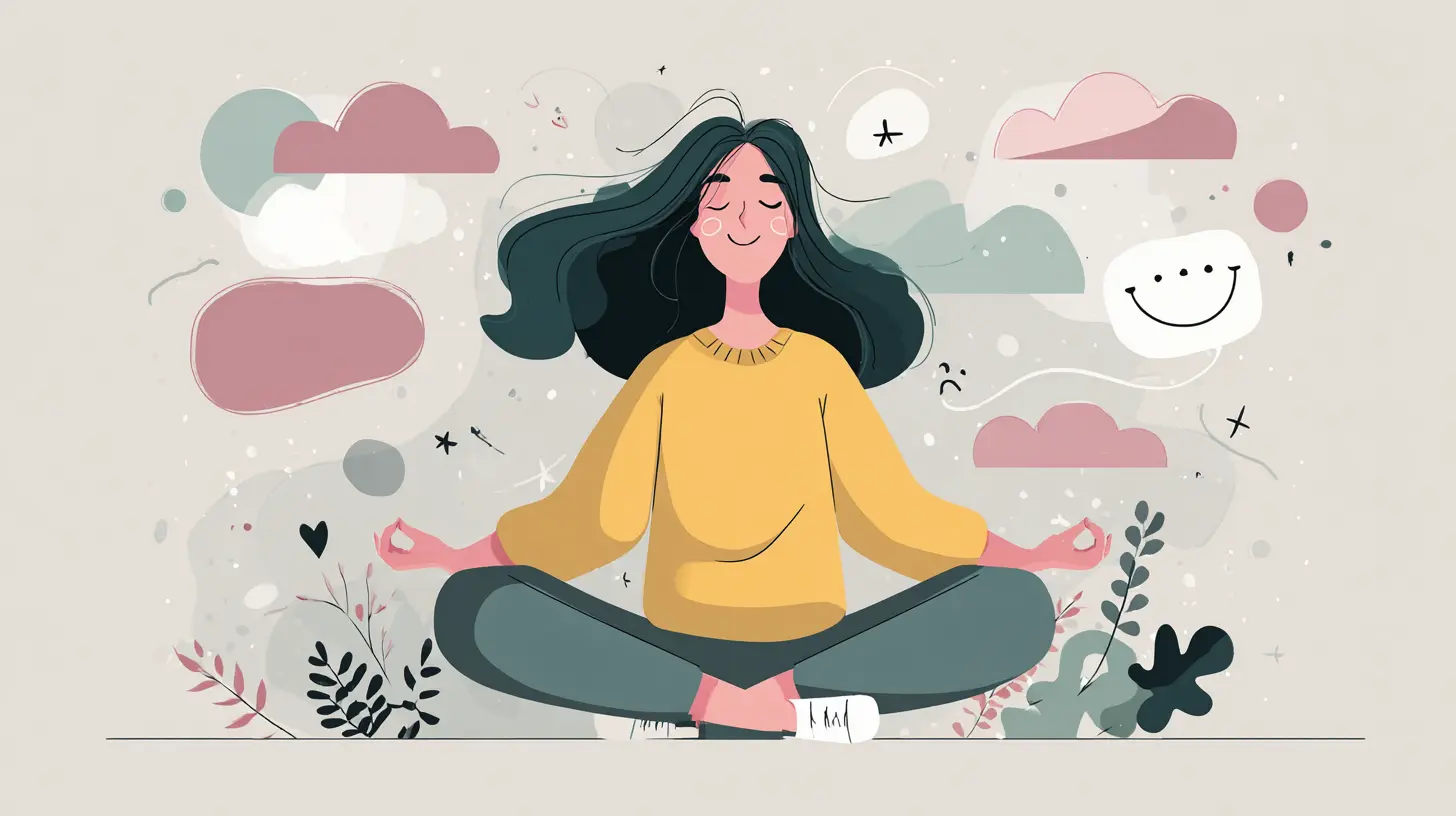
The Brain Chemistry of Gratitude
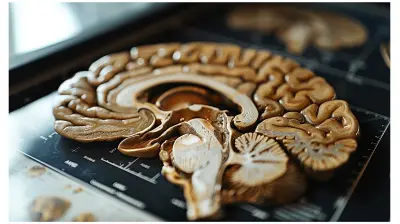
Alright, here’s the sciencey part—but I promise to keep it chill. Gratitude literally changes the way your brain functions. When you actively practice gratitude, your brain releases dopamine and serotonin—those natural feel-good chemicals. You know that warm, fuzzy feeling when someone compliments you? That’s dopamine doing its thing. Gratitude helps you tap into that feeling more often.And here’s the cool part: the more you practice gratitude, the more your brain gets used to it. It’s like training a muscle. Over time, your default response to stress starts to change from panic to perspective.
Think of your brain as a radio. Without gratitude, it’s stuck on a static-filled station playing anxiety hits 24/7. Gratitude helps you tune into a more peaceful, uplifting frequency. The music changes, and suddenly life doesn’t feel so overwhelming.
How Gratitude Lowers Stress in Real Life
So, how does all this translate into actual stress relief? Let’s break it down.1. Gratitude Shifts Your Focus
When you're stressed, your brain goes into tunnel vision mode. You're fixated on the problem, the what-ifs, the worst-case scenarios. Practicing gratitude pulls you out of that mental loop.Instead of spiraling over something going wrong, gratitude reminds you of what’s going right. It's like standing in the middle of a storm and realizing you have an umbrella. The storm's still there, but now you’ve got tools to deal with it.
2. It Boosts Emotional Resilience
Gratitude helps build emotional “bounce-back” power. Life throws curveballs, and practicing gratitude doesn’t make those go away—but it does make you less likely to crumble under the pressure.Emotionally resilient people tend to find meaning even in tough situations. They ask, “What’s this teaching me?” rather than saying, “Why is this happening to me?” That subtle shift in perspective makes a massive difference when you're knee-deep in stress.
3. Gratitude Improves Sleep
Ever tried falling asleep when your brain is racing at 100 mph? Not fun. Stress wrecks sleep, and poor sleep increases stress—it’s a vicious cycle.Gratitude helps because it calms your mind. Studies show that writing down things you’re thankful for before bed can actually help you sleep better. That’s because instead of mentally reviewing your problems, your brain is occupied with positive reflections.
4. It Strengthens Relationships
Let’s not forget—relationships play a big role in stress. Whether you’re dealing with conflict, loneliness, or simply feeling disconnected, your support system can either relieve stress or add to it.Gratitude improves your social bonds. When you express appreciation to the people around you, it deepens your connections. You’re more likely to feel supported—and less alone in handling whatever life throws at you.
Simple Ways to Practice Gratitude (Without Feeling Like It’s a Chore)
Okay, so you’re sold on the idea. But how do you actually work gratitude into your daily life—especially when you're stressed out and the last thing you feel is thankful?Good news: you don’t have to write a letter to your great-aunt every day or meditate for 3 hours. Here are some super simple, low-effort ways to bring more gratitude into your life:
1. The 3 Things Rule
Every day, write down (or mentally note) three things you're grateful for. They don’t have to be deep or profound. Think: "My coffee was strong today," "My friend texted me back," or "The sun came out during lunch."2. Say It Out Loud
When someone does something kind—tell them. Out loud. Not only does it make them feel good, but it reinforces your awareness of good things happening around you.3. Gratitude Jar
Grab a jar, some scraps of paper, and start jotting down things that made you smile. When stress kicks in, dip into the jar and read a few. It’s like a feel-good emergency kit.4. Flip the Script
Got a problem? Try rephrasing it. Instead of, “Ugh, I have so much work,” try, “I’m grateful I have a job that challenges me.” It may feel forced at first, but give it time—your brain will catch on.5. Mindful Moments
Pause during your day—just for 30 seconds—and ask, “What in this moment can I be grateful for?” It could be your cozy chair, your playlist, or even the silence. This taps into the present, where stress doesn’t exist.Gratitude Isn't a Magic Cure—But It's a Powerful Tool
Let’s get real: practicing gratitude doesn’t mean you’ll never feel stressed again. Life’s still going to be, well… life. Deadlines, breakups, traffic jams—they’re not going anywhere. But here’s the takeaway: gratitude gives you a buffer. It doesn’t delete your problems, but it gives you better footing to face them.Imagine facing your stress while standing on quicksand versus standing on solid ground. Gratitude is that solid ground. It gives you perspective. It gives you pause. And in the chaos of life, even a small pause can be everything.
When Gratitude Feels Hard
There are days when gratitude feels fake. Forced. Maybe even annoying. And you know what? That’s okay. You don’t have to pretend everything’s great when it’s not. Gratitude doesn’t mean denying your struggles—it means choosing to see the whole picture, not just the dark corners.If you're going through something tough, start small. Gratitude can be as simple as appreciating the fact that you're still showing up. That you’re still trying. And some days, that’s more than enough.
Final Thoughts
If you're trying to manage stress and feel like you're running on empty, give gratitude a shot. It's free, it’s simple, and it doesn’t require a lot of time. All it takes is a few mindful moments each day to shift your perspective.So the next time life feels like it's piling on, try hitting pause and asking yourself: “What can I be thankful for right now, in this exact moment?” You might be surprised at how much lighter things feel—even if just a little.
Because sometimes, in the middle of all that chaos, the smallest acknowledgment of good can be the most powerful thing.
all images in this post were generated using AI tools
Category:
Stress ManagementAuthor:

Gloria McVicar
Discussion
rate this article
1 comments
Zayne Martinez
Thank you for sharing these insights on gratitude and stress management. It's inspiring to see how a simple practice can shift our perspective and help us cope. Your words remind us that even small moments of gratitude can make a significant difference.
May 5, 2026 at 2:39 PM
Gloria McVicar
I'm glad you found it inspiring. Gratitude truly can transform our outlook and help us navigate stress. Thank you for your thoughtful comment!