The Role of Gratitude in Emotional Growth
11 December 2025
Introduction
Ever noticed how a simple "thank you" can shift your mood? Gratitude isn't just about being polite—it's a powerful tool for emotional growth. It helps us navigate life's challenges, build stronger relationships, and even rewire our brains for positivity. But how exactly does gratitude influence our emotional well-being? Can practicing it regularly reshape our mindset?
Let's dive deep into the psychology of gratitude and uncover how it plays a crucial role in emotional development.
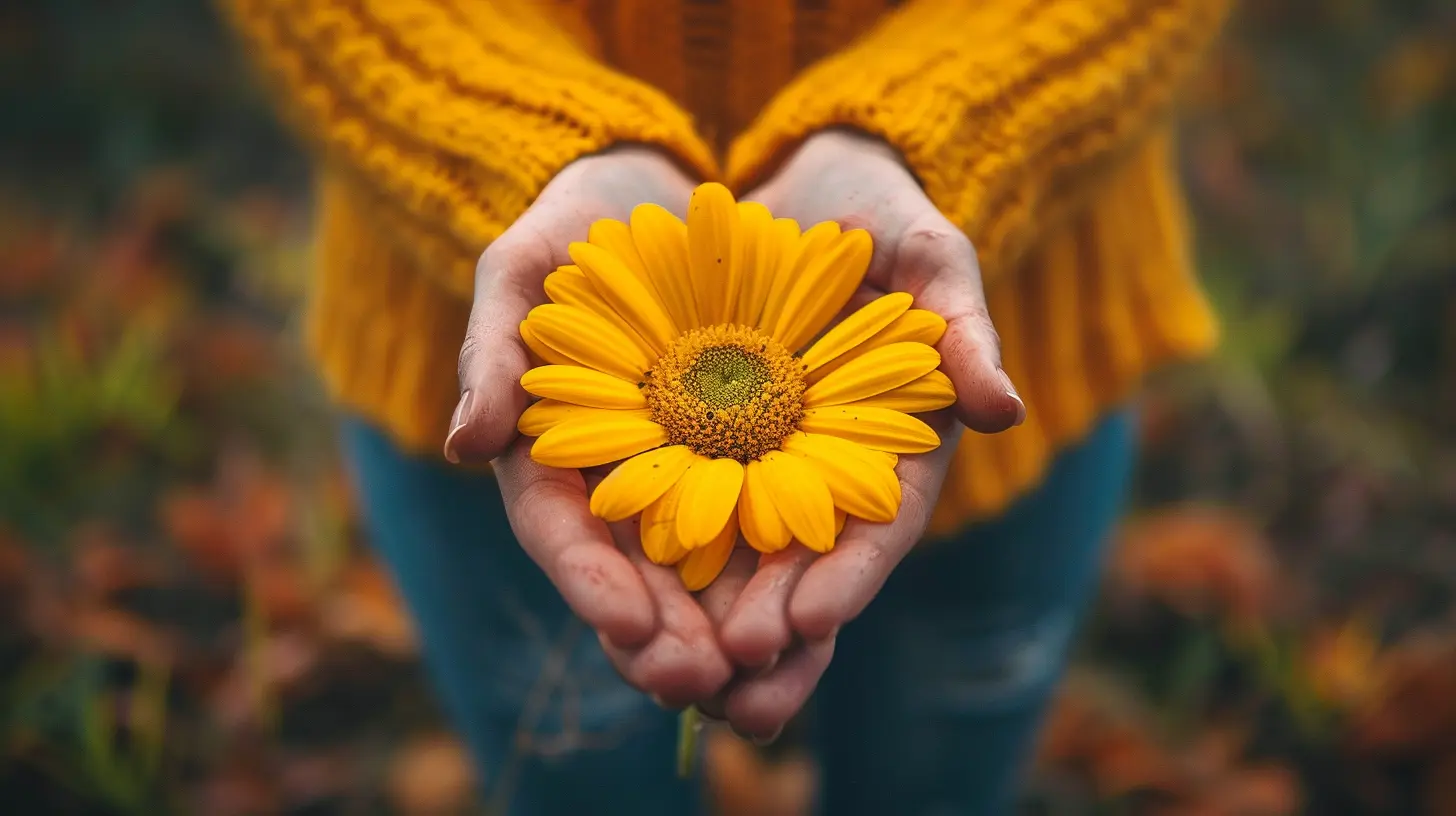
What Is Gratitude?
Gratitude is more than just expressing thanks. It’s a profound emotional response that acknowledges the good in our lives. Psychologists define it as the ability to recognize and appreciate positive experiences, whether they come from people, events, or even personal achievements.It’s not just about the grand gestures either. Sometimes, it’s the little things—a stranger holding the door open, a friend checking in, or even the warmth of the morning sun—that can spark feelings of gratitude.
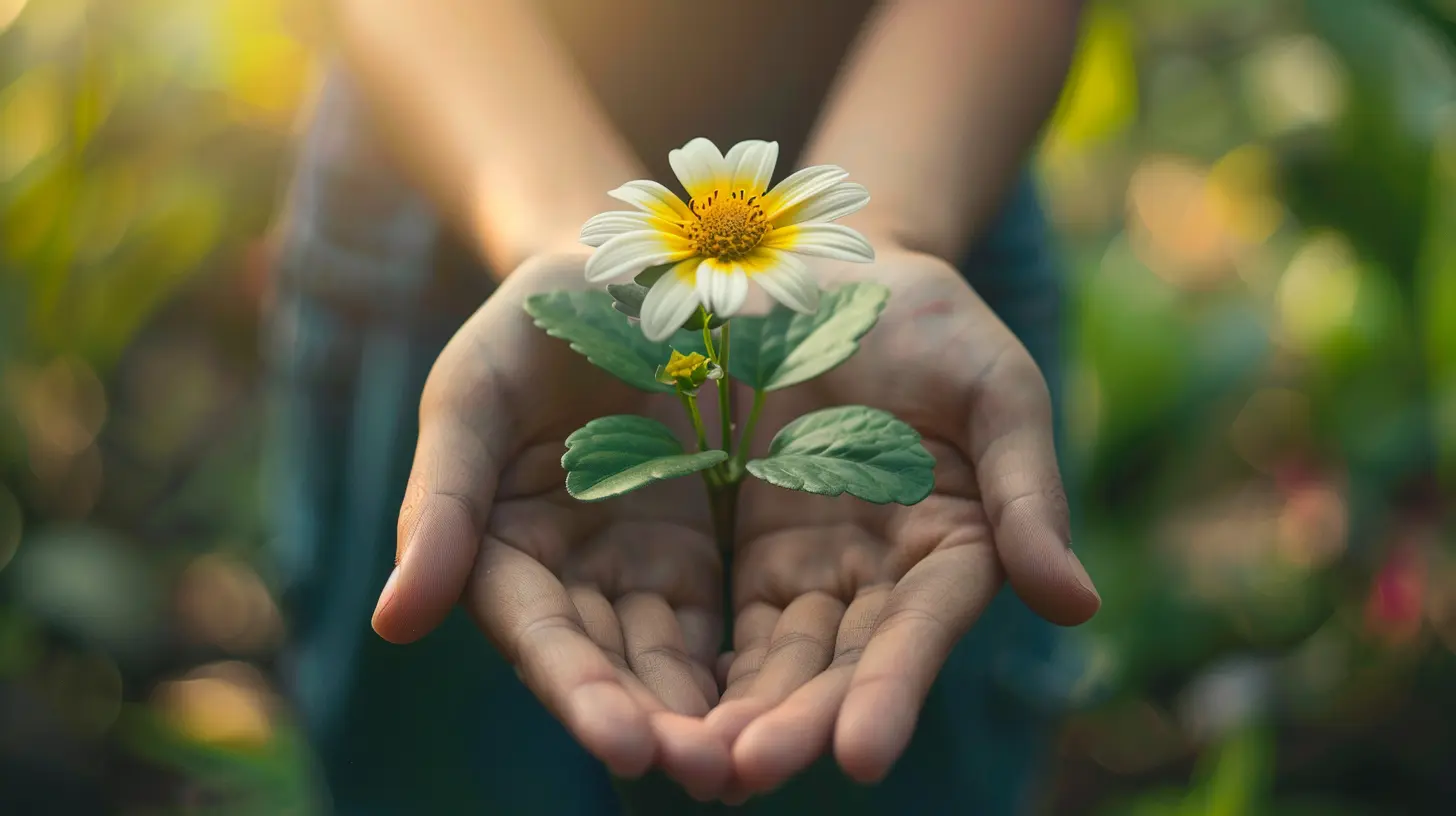
The Science Behind Gratitude and Emotional Growth
Rewiring the Brain
Did you know gratitude can reprogram your brain? Neuroscientific studies show that practicing gratitude activates the brain’s reward system, particularly the prefrontal cortex—the area responsible for decision-making and emotional regulation.This means that when you consistently practice gratitude, your brain starts looking for the good in situations automatically. It’s like a mental workout that strengthens your ability to stay positive even in tough times.
Reducing Stress and Anxiety
Life can be overwhelming, right? Between work, relationships, and personal struggles, stress and anxiety can build up fast. But gratitude acts as a natural stress reliever.When you focus on what you're grateful for, it shifts your mind away from negativity. Studies show that gratitude reduces cortisol (the stress hormone) and increases serotonin and dopamine—chemicals that boost happiness.
It’s like flipping an emotional switch. Instead of dwelling on problems, gratitude redirects your focus to the solutions and blessings in your life.
Strengthening Emotional Resilience
Ever met someone who seems to handle life's ups and downs effortlessly? Chances are, they practice gratitude.Gratitude helps build resilience by changing how we respond to challenges. When we appreciate the lessons in our struggles, we develop a stronger emotional core. Instead of feeling defeated, we see difficulties as opportunities for growth.
Think of gratitude as an emotional anchor—it keeps you grounded even when life’s storms hit.
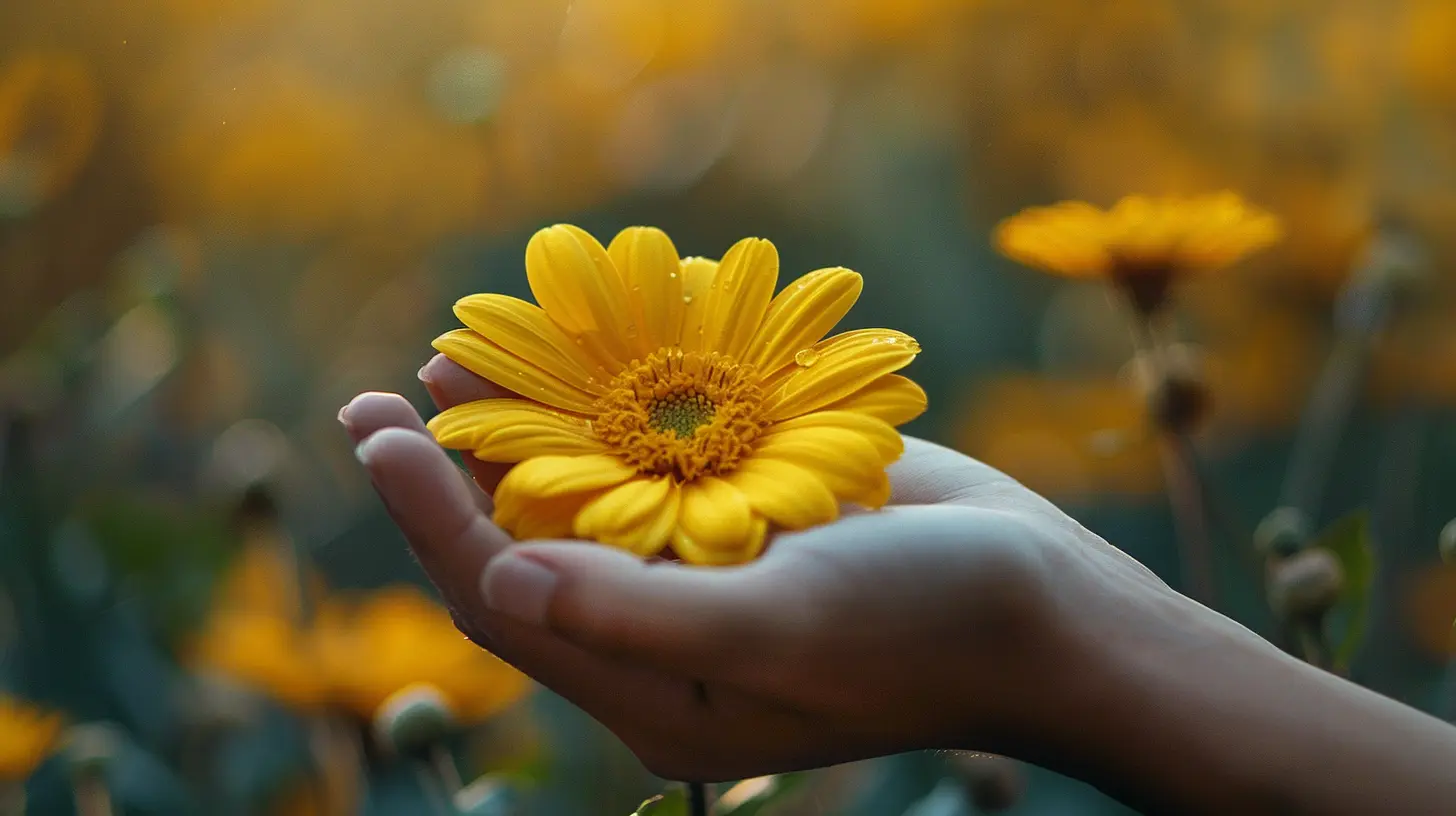
The Connection Between Gratitude and Self-Growth
Improved Self-Esteem
Let’s be honest—we all struggle with self-doubt at times. But gratitude can shift how we perceive ourselves.When you're thankful for your achievements and personal growth, you develop a positive self-image. Instead of comparing yourself to others, you start appreciating your unique journey.
It’s like giving yourself a constant pep talk, reminding yourself that you are enough.
Better Relationships
Ever noticed how expressing gratitude strengthens relationships? Whether it's a romantic partner, a family member, or a friend, showing appreciation deepens connections.Gratitude fosters kindness and empathy, making us more attuned to the needs of others. It also encourages reciprocity—when we appreciate others, they’re likely to return the favor, creating a cycle of positivity.
A simple "thank you" can go a long way in nurturing meaningful relationships.
Enhanced Emotional Intelligence
Emotional intelligence—the ability to understand and manage emotions—is a crucial life skill. Gratitude helps develop this by making us more aware of our feelings and reactions.When we practice gratitude, we become more mindful, more in tune with our emotions, and less reactive. This emotional awareness strengthens our ability to navigate social and personal challenges with grace.
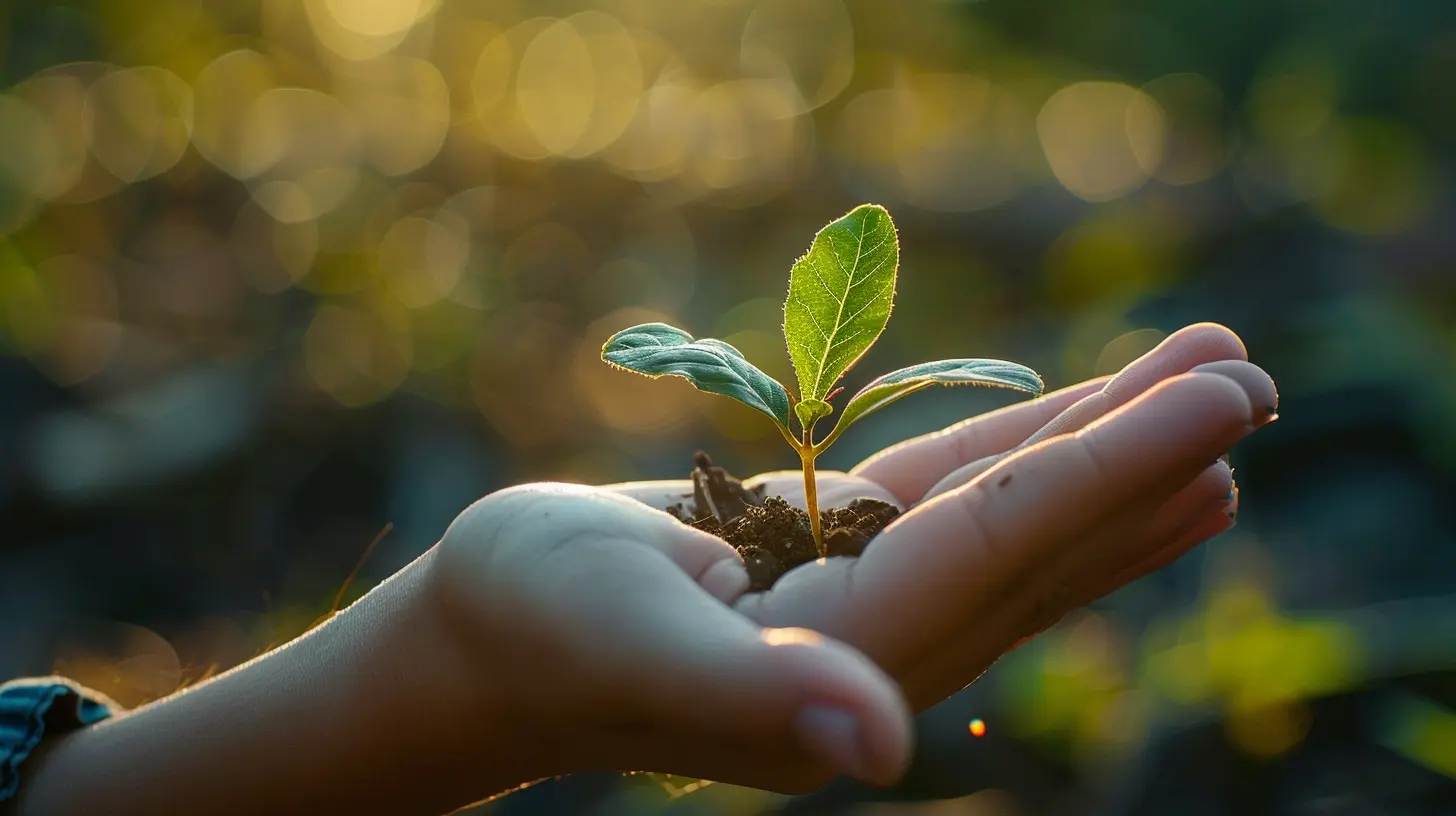
How to Incorporate Gratitude into Daily Life
Keep a Gratitude Journal
Writing down what you're grateful for is one of the simplest yet most effective ways to cultivate gratitude. Each day, jot down three things that made you happy—it could be something as small as a kind word or as big as a personal achievement.Over time, this habit trains your brain to focus on the positives rather than the negatives.
Express Appreciation to Others
Sometimes, we assume people know we appreciate them, but do we actually tell them? Taking a moment to sincerely express gratitude—whether through words, a gesture, or a written note—can strengthen relationships and boost mutual happiness.Practice Mindfulness
Gratitude and mindfulness go hand in hand. Being present in the moment allows you to fully experience and appreciate the good in your life.Take a deep breath, soak in your surroundings, and acknowledge the little joys—the laughter of a loved one, the smell of fresh coffee, or the warmth of a cozy blanket.
Reframe Negative Situations
Life isn’t always smooth sailing, but gratitude can help us reframe our perspective. Instead of focusing on what’s going wrong, ask yourself: “What can I learn from this?” or “Is there something good hidden in this challenge?”Sometimes, setbacks pave the way for personal growth, and gratitude helps us see that.
The Long-Term Impact of Gratitude
Greater Life Satisfaction
People who practice gratitude consistently report higher levels of happiness and life satisfaction. When you appreciate what you have, you naturally feel more content and fulfilled.It’s not about ignoring hardships but about finding joy amidst them. A grateful mindset creates a fulfilling life, regardless of circumstances.
Increased Optimism
Optimism isn’t just about hoping for the best—it’s believing that good things will happen. Gratitude fuels optimism by shifting our attention from what’s lacking to what’s abundant.When you regularly count your blessings, your outlook on life naturally becomes more hopeful.
Boosted Physical Health
Believe it or not, gratitude doesn’t just impact emotional health—it also benefits physical well-being. Studies show that grateful individuals experience better sleep, lower blood pressure, and a stronger immune system.Why? Because gratitude reduces stress, which is linked to countless health issues. A grateful mind leads to a healthier body.
Conclusion
Gratitude isn’t just a feel-good emotion; it’s a catalyst for emotional growth. It rewires our brains, builds resilience, strengthens relationships, and enhances overall well-being. By making gratitude a daily practice, we cultivate a mindset that transforms the way we experience life.So, take a moment right now—what are you grateful for? Let that gratitude be the foundation for your emotional growth.
all images in this post were generated using AI tools
Category:
Emotional GrowthAuthor:

Gloria McVicar
Discussion
rate this article
1 comments
Riff McNaughton
Gratitude fosters emotional resilience, enhances well-being, and promotes deeper connections, significantly contributing to personal growth and happiness.
January 7, 2026 at 5:51 AM
Gloria McVicar
Thank you for your insightful comment! I completely agree that gratitude is a powerful catalyst for emotional resilience and personal growth.