The Importance of Social Support in Managing Stress
22 May 2026
Let’s face it—life can be overwhelming sometimes. Between juggling work, relationships, finances, and health, it’s no wonder stress feels like an unwanted guest that refuses to leave. But here's the good news: you don’t have to carry the weight of the world on your shoulders alone. One of the most powerful tools we often overlook when dealing with stress is social support.
Yep, having people around you who genuinely care can make all the difference. In fact, social support isn't just a “nice-to-have.” It’s a necessary pillar for mental well-being. It’s like emotional oxygen—without it, our minds can suffocate.
Let’s dive into why social support is so essential in managing stress, and how it might just be the secret sauce we’ve all been neglecting.
What Is Social Support, Really?
Before we go further, let’s break it down—what exactly do we mean by social support?At its core, social support is the comfort, encouragement, and assistance we receive from others. It can come from family, friends, coworkers, mentors, or even a support group of like-minded individuals. It might look like a friend bringing over food when you’re sick, a co-worker listening to you vent after a rough meeting, or your partner reminding you that you’re stronger than you think.
There are a few different types of social support:
1. Emotional Support – Listening, empathizing, and being present. It's that “I’m here for you” kind of vibe.
2. Instrumental Support – Providing tangible help, like running an errand or pitching in with chores.
3. Informational Support – Offering advice, guidance, or knowledge.
4. Appraisal Support – Affirmation and constructive feedback to boost self-esteem.
Each type has its own superpower, and together, they form a powerful shield against the stress monster.
The Science Behind Social Support and Stress Relief
You don’t have to take my word for it—science backs it up.Research consistently shows that people who feel socially connected experience lower levels of cortisol (a major stress hormone). Studies from the American Psychological Association and the National Institute of Mental Health have shown that strong social networks reduce the risk of anxiety and depression, enhance emotional resilience, and even improve physical health.
When we're supported by others, it helps regulate our nervous system. That “fight-or-flight” mode? Yeah, it's a lot less likely to kick into high gear when we know we've got backup.
Think of social support like a seatbelt. You may not always need it, but when life throws you a curveball, it can save you from major emotional collisions.
How Social Support Buffers Stress
So, how exactly does social support soften the blow of stress? Let’s break it down:1. It Offers a Reality Check
Stress has a tricky way of distorting our thoughts. Suddenly, small problems feel like massive catastrophes. But when you talk to someone you trust, they can help ground you. Sometimes, just hearing “You’re not crazy for feeling that way” is enough to take the edge off.2. It Creates a Sense of Belonging
Feeling isolated only adds fuel to the stress fire. Human beings are inherently social creatures—we’re wired to connect. When we feel included and understood, it calms the fear centers in our brain. Simply put, knowing you're not alone can be deeply healing.3. It Encourages Healthy Coping
Let’s be honest—under stress, we sometimes make questionable choices (binge-watching instead of sleeping, anyone?). A supportive friend might remind you to take deep breaths, eat a decent meal, or go for a walk instead of doom-scrolling. Healthy influences encourage healthy habits.4. It Sparks Laughter and Joy
Never underestimate the healing power of a good laugh. Sharing humor with others—even during tough times—can be a major stress buster. Laughter reduces stress hormones and releases those feel-good endorphins. Sometimes, a silly meme from a friend is all it takes to crack a smile in darkness.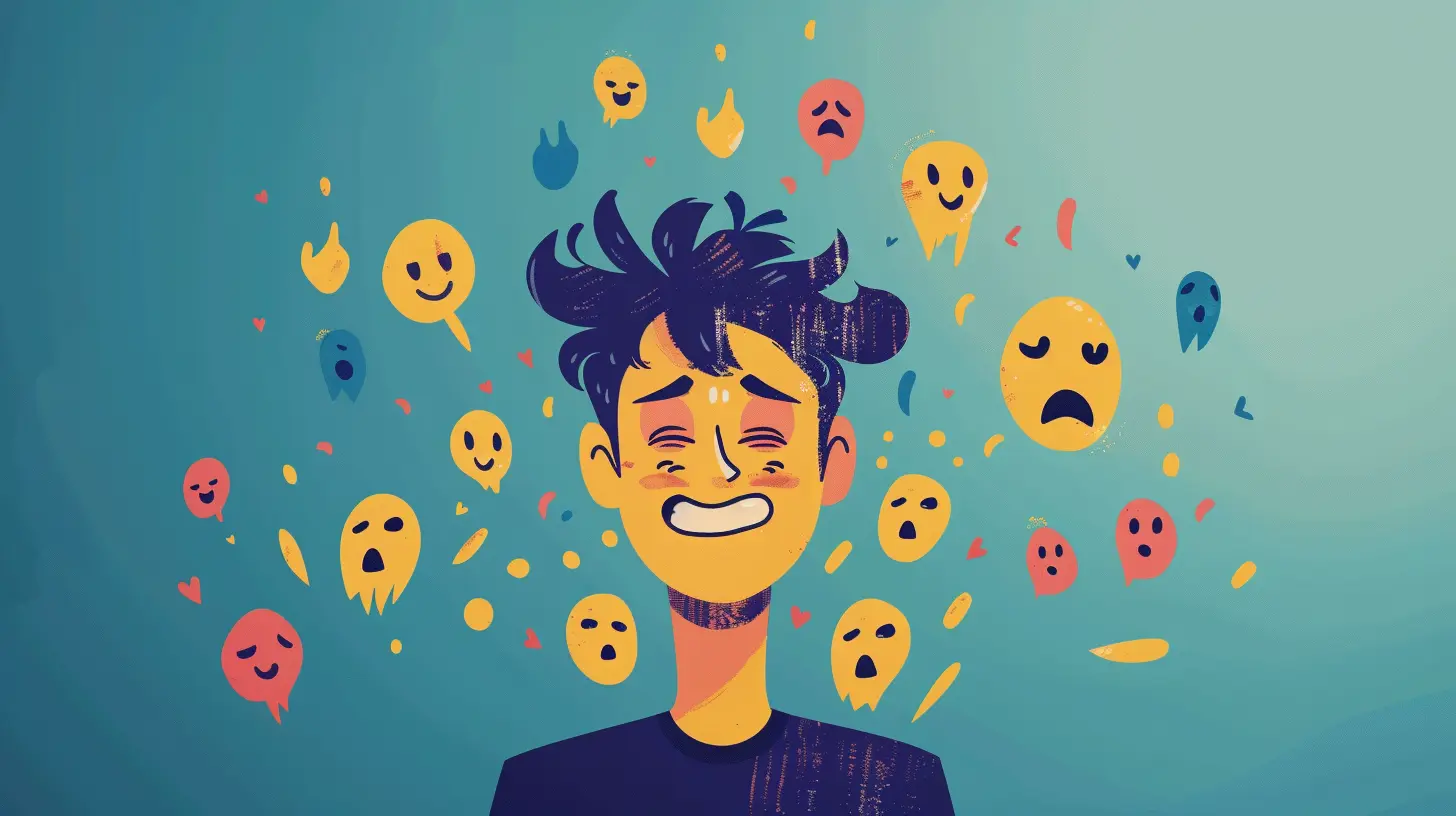
The Role of Social Support Across Different Life Scenarios
Stress doesn’t discriminate—it can show up in all areas of life. But social support can be a universal remedy across the board.During Major Life Transitions
Got a new job? Going through a breakup? Moving to a new city? Any form of change can rattle your sense of stability. Having someone to talk to or lean on during these shifts can reduce anxiety and help you adapt more smoothly.When Facing Health Challenges
Whether it's a minor illness or a chronic condition, health issues bring their own kind of stress. People with strong social networks often recover faster and follow treatment plans better. A loving family member checking in or a friend driving you to appointments can ease the burden.Coping with Loss or Grief
Grief is incredibly personal, but it shouldn’t be solitary. Talking about your feelings, sharing memories, or simply sitting in silence with someone who cares can be incredibly therapeutic.Navigating Daily Stressors
Sometimes, it’s the everyday things that add up—traffic jams, relentless emails, spilled coffee. Regular check-ins with friends, even quick texts or quick coffee catch-ups, help keep these little stressors from snowballing.When Social Support Is Missing
Okay, so what happens when we don’t have this kind of support system? Unfortunately, lack of social ties can deepen stress and lead to chronic anxiety or even depression. In fact, loneliness has been linked to heart disease, weakened immunity, and cognitive decline.It’s kind of like trying to swim upstream without a paddle—exhausting and often discouraging. Everyone deserves someone in their corner.
But here's the uplifting part: It’s never too late to build meaningful connections.
Building and Strengthening Your Support Network
Not everyone is born with an instant tribe, and that’s totally okay. Building a support system is a process, and it starts with small, intentional steps.1. Reach Out, Even If It’s Vulnerable
Initiating contact can feel scary, especially if you’ve been burned or isolated. But vulnerability often opens the door to deeper connections. Send a message. Make that phone call. Suggest a coffee date. You'd be surprised how many people are also looking for deeper connections.2. Join Communities That Align With Your Interests
Want to meet people who get you? Find groups around shared passions—book clubs, volunteering, fitness classes, spiritual groups, or online communities. Shared experiences build solid foundations for support.3. Be the Support You Wish to Receive
Support’s a two-way street. Make an effort to listen, offer help, and show up for others. Often, what we give comes back to us multiplied.4. Set Boundaries with Draining Connections
While social support is vital, not every relationship qualifies. Some people can drain more energy than they give. It’s okay to set limits and focus on connections that are uplifting and mutual.Online Support: A Modern Lifeline
In today’s world, technology can be a double-edged sword—but it also offers a lifeline. If in-person support isn’t an option, online forums, therapy apps, and social media communities can provide much-needed connection.The key is finding spaces that are authentic and encouraging—think less "highlight reels," more real talk.
Need to talk to someone but not ready for therapy? Try peer support groups or helplines. There’s a whole network of people out there who get it.
Integrating Social Support into Your Stress Management Toolkit
Let’s be real—stress isn’t going away any time soon. But having a solid support system can change how we respond to it. It helps us feel seen, heard, and held.Here’s how to make support a regular part of your self-care routine:
- Schedule regular catch-ups with friends and family.
- Don’t be afraid to ask for help when you need it.
- Make time to check in on others too.
- Surround yourself with positive, understanding people.
- Consider professional help like a therapist if needed—support isn’t just social, it can be clinical too.
Having people who walk beside you doesn’t eliminate the path’s difficulty—but it sure makes the journey feel a little lighter.
Final Thoughts
Stress is an inevitable part of life, but navigating it doesn’t have to be a solo mission. Social support is that comforting blanket on a cold day, that steady hand on a shaky ladder—it keeps us grounded and reminds us that we’re not alone.If you’ve been trying to manage everything by yourself, maybe it’s time to let someone in. You’re not weak for needing help—you’re human. And humans need connection like plants need sunlight.
So the next time stress comes knocking, don’t just grit your teeth—call a friend, open up, and let your tribe hold space for you. Sometimes, the best therapy is a heartfelt conversation over a cup of coffee.
all images in this post were generated using AI tools
Category:
Stress ReliefAuthor:

Gloria McVicar
Discussion
rate this article
1 comments
Rebecca Holland
In the tapestry of life, threads of connection weave resilience. Through whispered words and shared laughter, hearts find solace amid chaos. Social support transforms solitude into strength, crafting a sanctuary where burdens lighten. In unity, we discover the power to rise above and embrace the beauty of being together...
May 27, 2026 at 2:40 PM
Gloria McVicar
Absolutely. Social support is essential. It turns our struggles into shared experiences and reminds us we are never alone. Together, we can navigate life's challenges.