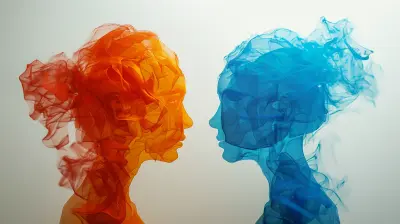
Emotional Freedom: Reclaiming Your Independence in Relationships
7 March 2026
Let’s get real for a second—how often do you feel like you're losing yourself in a relationship?
Whether it’s a romance, friendship, or even a family connection, sometimes we find ourselves wrapped so tightly in someone else’s world that we forget we have our own. And sure, love, support, and connection are beautiful things—but they should never come at the cost of your emotional independence.
That’s where the concept of emotional freedom steps in. It isn’t about building walls. It’s about setting boundaries. It’s about being whole on your own, so you bring your full self into a relationship—not just fragments of who you think you should be.
So, if you’ve been feeling like you’re walking on eggshells, over-accommodating, or just generally drained from giving too much of yourself to others, this one's for you.
Let’s dive deep into what emotional freedom looks like, why it matters, and how you can start reclaiming your independence without losing the people you care about.
What is Emotional Freedom?
Emotional freedom means owning your feelings, your space, and your identity—regardless of who you're with or what’s happening around you. It's the ability to stay grounded in who you are while still being emotionally connected to others.Imagine emotional freedom as having a strong internal compass. You're not cold or detached. You're actually more open because you're not afraid of getting lost in someone else’s story.
It’s like standing on a beach, enjoying the waves, but staying anchored. You're not getting swept away.
The Trap of Emotional Dependency
Let’s face it: We all crave connection. But sometimes, that craving turns into dependency. And that’s where things can get tricky.You might be emotionally dependent if you:
- Constantly seek approval or reassurance from your partner
- Feel anxious or panicked when they're not around or not in touch
- Avoid expressing your own needs to keep the peace
- Blame yourself for their moods or problems
- Lose interest in things that once mattered to you
Sound familiar?
Emotional dependency often comes from fear—fear of abandonment, fear of conflict, fear of not being enough. And here’s the wild thing: The more dependent you become, the more invisible you feel.
Why We Lose Ourselves in Relationships
It's not that people wake up one day thinking, "I want to lose my identity in a relationship!" Nope. It happens subtly, over time.There are a few key reasons it happens:
1. Childhood Conditioning
Many of us learned early on to put others first. Maybe you were praised for being “the easy child” or felt responsible for keeping the peace at home. That kind of emotional wiring carries into adulthood.2. Toxic Relationship Patterns
If you’ve been in a relationship where your needs were minimized or ignored, you might start believing they don’t matter. You become a chameleon—changing colors to match whoever you’re with.3. Fear of Being Alone
Let’s be honest: being alone can be terrifying, especially if your self-worth is tied to someone else's presence. You might compromise your needs just to avoid being single.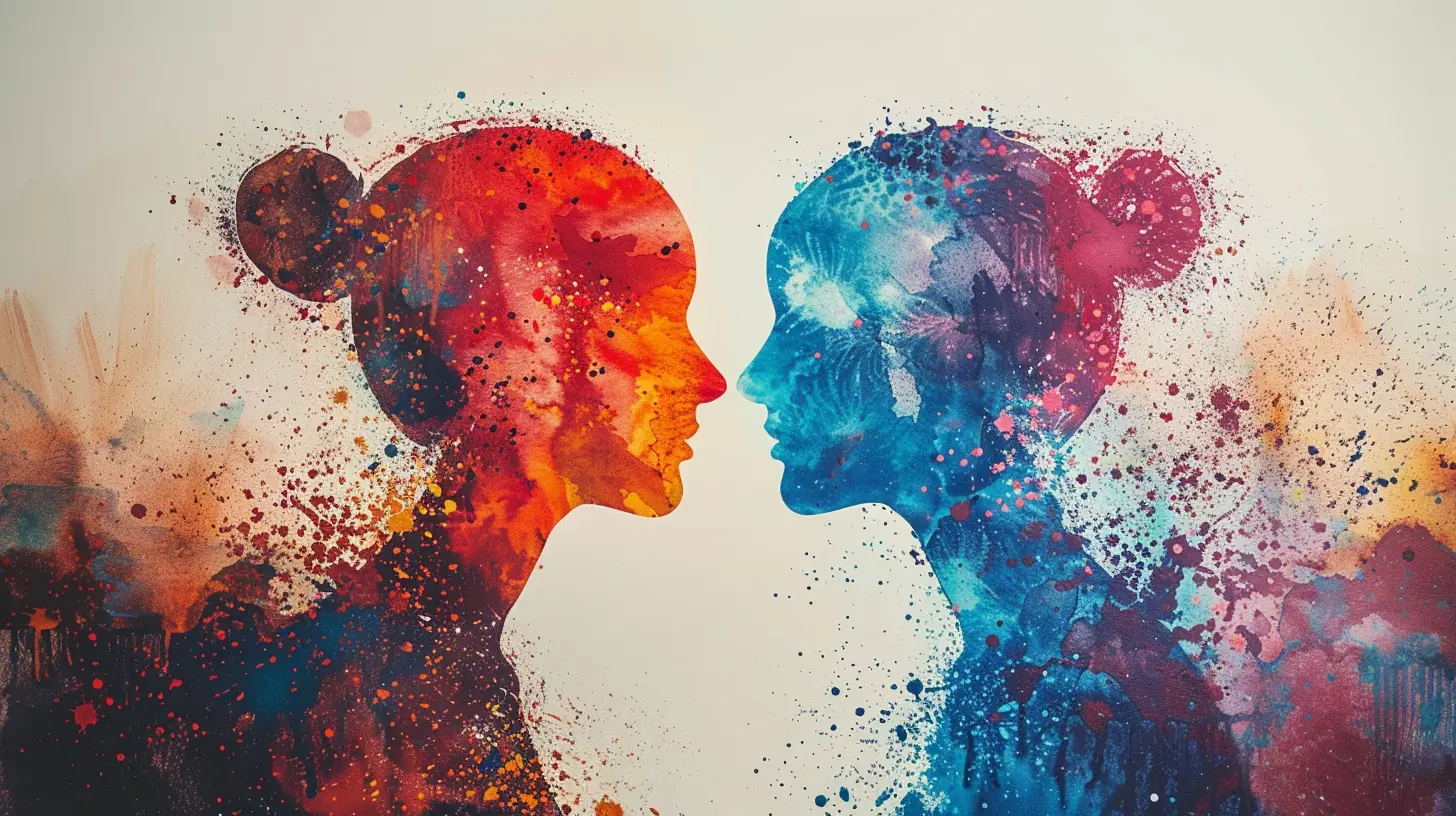
The Power of Reclaiming Your Emotional Independence
Here’s the truth—when you're emotionally free, you’re not just happier. You’re healthier, more grounded, and way more attractive. Confident energy is magnetic.Think of it like this: You stop being someone’s shadow and start being a lighthouse—bright, secure, and unmoved, regardless of the tides.
Let’s look at a few benefits of emotional freedom:
- You make choices from a place of self-respect, not fear.
- You communicate honestly without guilt or anxiety.
- You stop over-functioning or rescuing others.
- You attract healthier, more balanced relationships.
- You feel more alive and connected to your purpose.
Sounds amazing, right? So how do we get there?
Steps to Reclaiming Your Emotional Freedom
This is the juicy part. Let’s break down how you can take back your power, one step at a time.1. Recognize Your Patterns
You can’t change what you’re not aware of.Start by noticing the moments you abandon yourself. When do you say “yes” when you mean “no”? When do you silence your voice to avoid rocking the boat?
Journaling can help. So can honest conversations with trusted friends or a good therapist.
Ask yourself:
- When do I feel most drained?
- What triggers my anxiety in relationships?
- How much of my own life am I living?
Awareness isn’t always comfortable, but it’s the first step to freedom.
2. Set Healthy Boundaries
Boundaries are not walls—they're doors. They tell people what’s ok and what’s not, and they teach others how to treat you.Some simple examples:
- “I need some alone time tonight.”
- “I’m not comfortable discussing that right now.”
- “I can’t help with that, but I hope you find support.”
At first, it might feel awkward or even selfish. But boundaries are actually an act of love—for yourself and your relationships.
3. Reconnect with Yourself
Remember that hobby you used to love? That book you’ve been meaning to read? That dream you put on hold?Reclaiming your emotional independence means rediscovering what lights you up outside of your relationships.
Take yourself on dates. Try new things. Be curious about your own company.
When you fall in love with yourself again, everything changes.
4. Stop Trying to “Fix” Others
This one’s big.People who struggle with emotional dependency often play the rescuer. You try to solve everyone’s problems, carry their emotions, or manage their moods.
But here’s a radical truth: Other people’s emotions are not your responsibility.
You can care without carrying. You can support without saving. Let people feel their feelings—and own yours too.
5. Embrace Emotional Discomfort
Independence can feel lonely at times. Vulnerability can be scary. But avoid the temptation to escape those feelings by running back into unhealthy dynamics.Sit with your discomfort. Let it breathe.
It’s often a sign that growth is happening.
Emotional Freedom in Romantic Relationships
Love doesn’t mean losing yourself. A healthy relationship is two whole people choosing to walk side-by-side—not one person leaning so heavily on the other that they collapse.Here’s what emotional freedom looks like in love:
- You feel safe to speak your truth
- You have time apart and separate interests
- You respect each other’s space and individuality
- You’re not responsible for each other’s happiness
- You support, not save, each other
And guess what? That kind of love is way more powerful than clingy, co-dependent love. It breathes. It grows. It lasts.
Emotional Freedom in Friendships & Family
Emotional entanglement doesn’t only show up in romantic relationships. Friendships and family ties can be just as complex.Maybe you have a parent who guilt-trips you, or a friend who constantly leans on you without giving back. Emotional freedom means showing up with boundaries, even when it’s uncomfortable.
You can love people without sacrificing yourself.
Here's a tip: Practice detaching with compassion. It’s okay to say, “I care about you, but I also need to care for myself.”
Letting Go of Guilt
Here's something we don't talk about enough—guilt.When you start reclaiming your independence, you might feel guilty. Guilty for setting boundaries. Guilty for saying “no.” Guilty for choosing yourself.
This is normal. But that guilt isn’t your truth. It’s just an old pattern trying to keep you small.
Breathe through it. Remind yourself: You’re not here to shrink. You’re here to live your truth.
Emotional Freedom Is a Process, Not a Destination
Let’s be real—it’s not a switch you flip overnight. Emotional freedom is a journey. Some days you’ll feel strong and confident. Other days, not so much.That’s okay.
Setbacks don’t mean you’re failing. They mean you’re human. The key is to keep showing up for yourself, again and again.
Bit by bit, you’ll feel lighter. More peaceful. More like yourself.
And that’s what it’s all about.
Final Thoughts
Emotional freedom isn't about cutting people off or going it alone. It's about showing up as your whole self—authentically, unapologetically, and without fear of losing your identity.When you reclaim your emotional independence, you're not just improving your relationships. You're transforming your life.
So here's a gentle nudge: Take the first step today. Tune into your own needs. Speak your truth. Set a boundary.
You deserve to be free—not just in your relationships, but in your heart.
You're not too much. You're not too needy. You're just ready to come home to yourself.
And that, my friend, is the most beautiful kind of freedom there is.
all images in this post were generated using AI tools
Category:
Emotional DependencyAuthor:

Gloria McVicar
Discussion
rate this article
2 comments
Mercy Carrillo
Ah, emotional freedom! It’s like finding the last cookie in the jar after a tough day – sweet, satisfying, and a little crumbly. Remember, folks: independence in relationships doesn’t mean you can ghost your partner; it just means you can eat cookies without sharing. Here’s to balancing love and dessert!
March 20, 2026 at 5:09 AM
Kirk Wade
Empower yourself; freedom begins within you!
March 10, 2026 at 6:01 AM
Gloria McVicar
Absolutely! True freedom starts from within and shapes how we connect with others.