The Impact of Trauma on Mental Health and How to Heal
17 May 2026
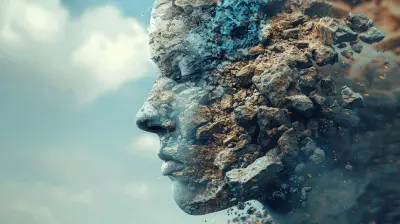
Trauma is like an invisible wound—it might not be visible to the naked eye, but its effects run deep. Whether it's caused by childhood abuse, a serious accident, the loss of a loved one, or even a toxic relationship, trauma reshapes the way we see the world and ourselves. And if left unaddressed, it can have a lasting impact on mental health.
In this post, we’ll dive into how trauma affects the mind and body, the signs that it’s taking a toll on mental health, and most importantly, how to heal and reclaim your peace. 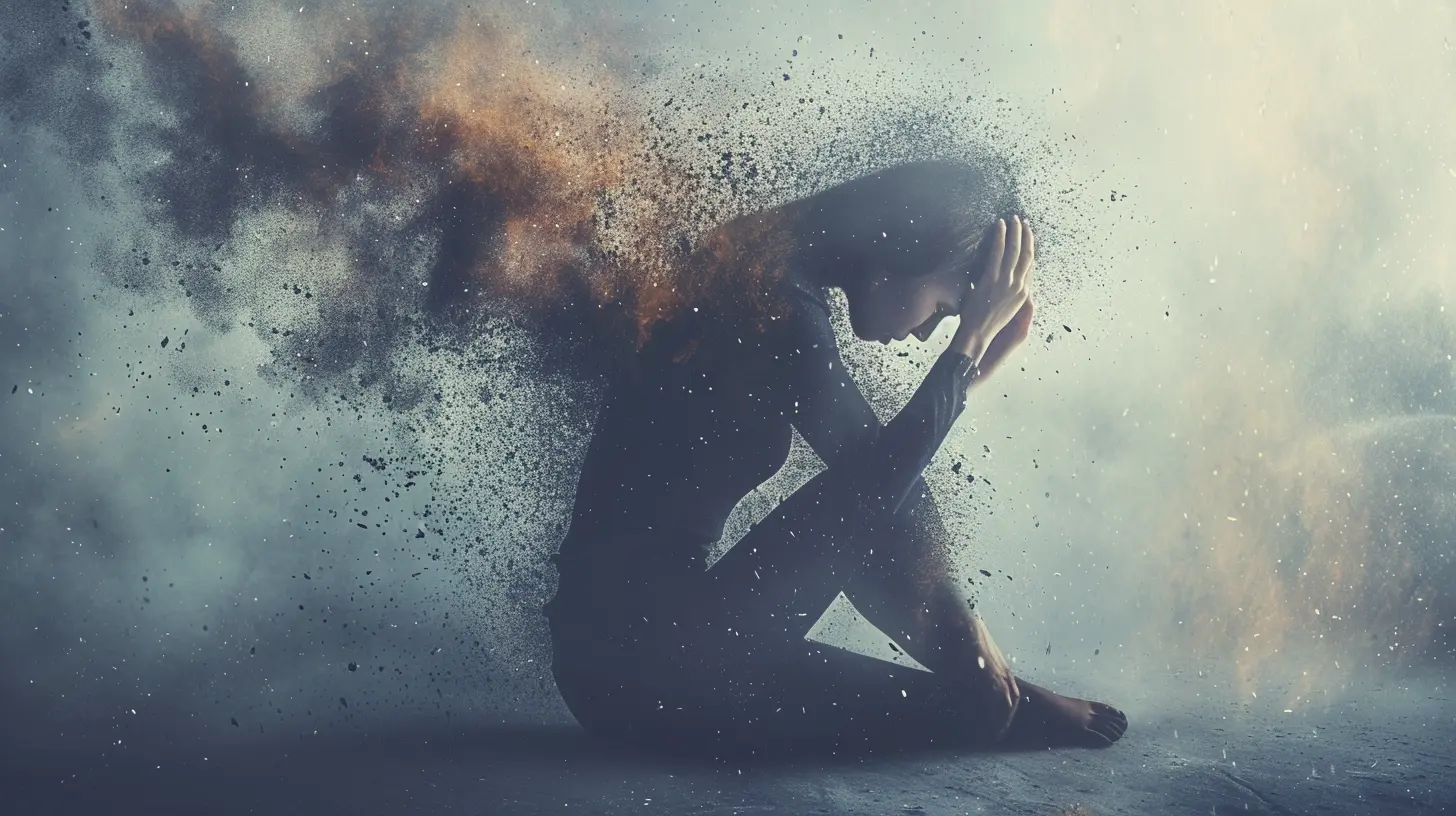
What Is Trauma?
Trauma is the emotional and psychological response to a distressing or disturbing event. It can be a one-time experience, like a car accident, or something ongoing, like childhood neglect or an abusive relationship.There are three main types of trauma:
- Acute Trauma – Results from a single, intense event (e.g., violent attack, natural disaster, or serious accident).
- Chronic Trauma – Stems from repeated and prolonged exposure to distressing events (e.g., childhood abuse, domestic violence, or ongoing bullying).
- Complex Trauma – Occurs when a person experiences multiple traumatic events, often starting in childhood and affecting multiple aspects of life.
No matter the type, trauma can have profound effects on a person’s emotional, mental, and even physical well-being. 
How Trauma Affects Mental Health
Trauma isn't just a bad memory—it rewires the brain. When you're exposed to extreme stress, your brain activates its "fight-or-flight" response. In some cases, this survival mechanism gets stuck, leading to a constant state of hypervigilance and fear.1. Increased Risk of Anxiety and Depression
People who experience trauma are at a higher risk of developing anxiety and depression. The overwhelming stress can lead to persistent feelings of sadness, hopelessness, or excessive worry.2. Post-Traumatic Stress Disorder (PTSD)
PTSD is a severe condition that affects people who have gone through trauma. It includes symptoms like flashbacks, nightmares, avoidance of triggering situations, and emotional numbness.3. Emotional Dysregulation
Trauma can make it difficult for someone to manage their emotions. Sudden mood swings, outbursts of anger, or feeling emotionally numb are common issues.4. Negative Self-Perception
Many trauma survivors struggle with low self-esteem. They may believe they are "broken" or "not good enough," leading to feelings of guilt and shame.5. Relationship Issues
Trauma can make trusting others difficult. Some people become withdrawn and isolated, while others may unconsciously recreate unhealthy relationship patterns.
Signs That Trauma Is Affecting You
Sometimes, people don’t even realize that they are living with unresolved trauma. Here are some signs that trauma might be impacting your mental health:- Unexplainable anxiety or panic attacks
- Frequent flashbacks or nightmares
- Difficulty trusting others
- Emotional numbness or detachment
- Self-destructive behaviors (e.g., substance abuse, risky decisions)
- Chronic stress and difficulty relaxing
- Low self-worth or feelings of shame
If any of these sound familiar, it might be time to take a step toward healing. 
How to Heal from Trauma
Healing from trauma doesn’t happen overnight, but the good news is that recovery is possible. Here are some essential steps to take back control of your mental health.1. Acknowledge Your Trauma
The first step in healing is recognizing that trauma exists. Many people suppress painful memories, but avoiding them only gives them more power. Acknowledge what happened and understand that your feelings are valid.2. Seek Professional Help
Therapy is one of the most powerful tools for healing trauma. Some effective therapeutic approaches include:- Cognitive Behavioral Therapy (CBT) – Helps people reframe negative thoughts and develop healthier coping strategies.
- Eye Movement Desensitization and Reprocessing (EMDR) – A technique designed to help the brain process traumatic memories.
- Trauma-Focused Therapy – Specifically tailored to help trauma survivors heal.
Speaking with a mental health professional can make a world of difference in your recovery journey.
3. Practice Self-Compassion
Trauma survivors often blame themselves for what happened. It’s crucial to be kind to yourself. Treat yourself with the same kindness and understanding you would offer a friend in pain.4. Establish a Support System
Healing doesn’t have to be a solo journey. Surround yourself with people who uplift and support you. Whether it’s close friends, family, or a trauma survivor support group, having a support system makes a difference.5. Engage in Mindfulness and Meditation
Mindfulness can help you stay present instead of being consumed by past trauma. Meditation, deep breathing exercises, and grounding techniques can reduce anxiety and improve emotional regulation.6. Prioritize Physical Health
The mind and body are deeply connected. Exercise, a balanced diet, and quality sleep can help regulate mood and reduce stress. Activities like yoga and tai chi are particularly effective in trauma recovery.7. Express Yourself Creatively
Creative outlets like journaling, painting, or playing music can be incredibly therapeutic. Expressing emotions in a non-verbal way can help process experiences that are difficult to put into words.8. Set Healthy Boundaries
Trauma often teaches people to tolerate unhealthy relationships and situations. Learning to say "no" and establishing boundaries is a powerful way to protect your mental well-being.The Power of Patience in Healing
Healing from trauma isn’t a linear process. Some days will be better than others, and setbacks will happen. But remember, every small step forward is progress.Think of healing like tending to a wound. At first, it might be raw and painful, but with time, care, and patience, it begins to heal. The scar might remain, but it no longer controls your life.
You deserve peace. You deserve joy. And most importantly, you deserve to heal.
Final Thoughts
Trauma may shape part of your story, but it doesn’t have to define your future. Understanding its impact on mental health and taking steps toward healing can help you regain control and live a fulfilling life.If you or someone you know is struggling with trauma, seeking help is a sign of strength, not weakness. You are not alone, and healing is possible.
all images in this post were generated using AI tools
Category:
Mental WellnessAuthor:

Gloria McVicar
Discussion
rate this article
1 comments
Ariadne Yates
Trauma doesn't just fade away; it shapes who we become. Acknowledging its impact is the first step toward healing. It's not about forgetting; it's about reclaiming your story and finding strength in vulnerability. Embrace the journey, because healing is a powerful act of resilience.
May 29, 2026 at 4:39 PM