The Cycle of Emotional Dependency: How to Break Free
22 July 2026
Ever felt like you're stuck in a loop of needing someone just a bit too much? Like your happiness, your self-worth—even your sense of purpose—feels tied to another person? If that hit a nerve, you're definitely not alone. Welcome to the exhausting merry-go-round known as emotional dependency.
This pattern can sneak up on you. It may start with love, admiration, or even the simple desire to feel needed. But over time, it can quietly morph into something unhealthy—a cycle where your emotional stability depends on someone else's presence, behavior, or approval.
In this post, we’ll break down what emotional dependency actually is, how it shows up in our lives, and most importantly, how you can start freeing yourself from its grip.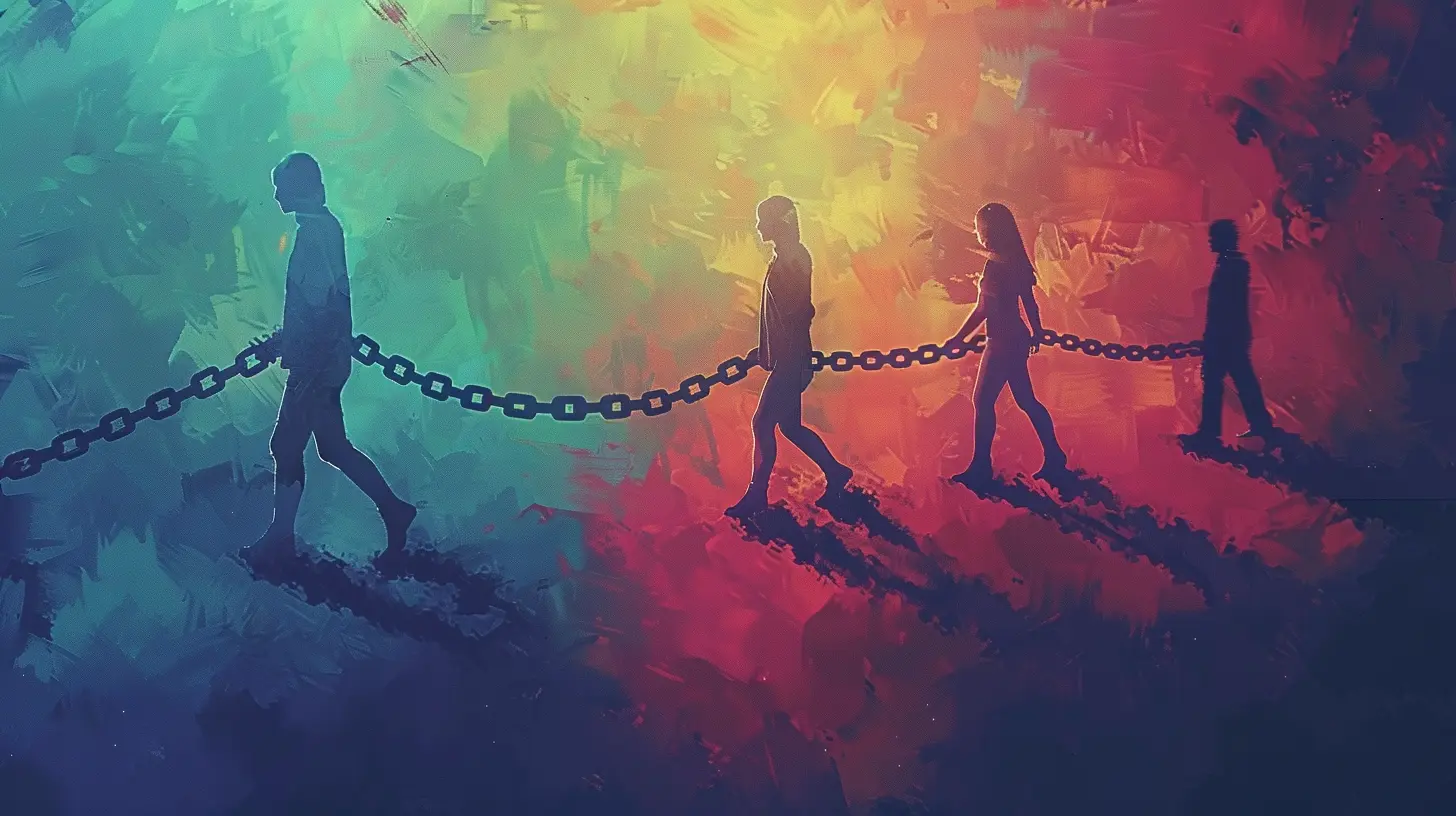
What Is Emotional Dependency, Really?
Emotional dependency is like giving someone else the remote control to your emotional well-being. You're not just sharing your feelings with them—you’re letting them dictate how you feel about yourself.Sure, it’s human to want connection. We all need support and intimacy. But when that need becomes a requirement for functioning or feeling okay, things get messy.
Think of emotional dependency like being emotionally “addicted” to someone. You rely on them for comfort, validation, and identity. Without them, everything feels... off.
The Hidden Signs of Emotional Dependency
It’s not always easy to spot emotional dependency, especially when you’re knee-deep in it. Here are some telltale signs:1. Constant Need for Reassurance
You're always asking, “Do you still love me?” or “Are we okay?” even when nothing seems wrong. You’re looking for that emotional anchor to keep you from drifting.2. Fear of Abandonment
Even small disagreements make you panic about losing the relationship. You might start walking on eggshells just to keep the peace.3. Over-Investing Emotionally
You pour everything into the other person—your time, energy, even your goals. And when they’re not around, you feel empty or restless.4. Losing Yourself
Your identity starts blending with theirs. You might change your opinions, hobbies, or routines just to match theirs. Remember the last time you did something entirely for you? Yeah, probably not.5. Jealousy and Possessiveness
You might feel threatened by the other person’s friendships or independence, even when there’s no real reason. You just want to be enough for them.
Why Emotional Dependency Happens
Let’s be honest: emotional dependency doesn’t come out of nowhere. It usually has deep roots.Childhood Experiences
If you grew up in an environment where affection or attention was inconsistent, your brain learned that love isn’t guaranteed. That childhood wiring often makes us cling tightly to relationships later in life.Low Self-Esteem
When you don’t believe you’re enough on your own, someone else’s approval becomes your lifeline. The problem? That lifeline can turn into a tightrope real fast.Fear of Loneliness
For some, being alone feels like the ultimate failure or fear. So we latch onto relationships—even unhealthy ones—just to avoid solitude.Societal and Cultural Influences
Movies, songs, even fairy tales feed us the idea that we need to find our “other half.” But here’s the truth: you’re already whole.
The Destructive Cycle of Emotional Dependency
Emotional dependency sets off a chain reaction that can mess with your mental, emotional, and even physical health. Here’s how the cycle typically plays out:1. You meet someone and feel a strong emotional connection.
2. You start relying on them for happiness, validation, and self-worth.
3. You fear losing them, causing you to become more controlling, anxious, or overly accommodating.
4. The relationship becomes strained and either becomes toxic or falls apart.
5. You feel broken and jump into a new relationship to “fix” that emptiness.
6. Repeat.
Sound familiar? That’s the emotional hamster wheel, and it’s exhausting.
How Emotional Dependency Impacts Relationships
When you're emotionally dependent, relationships stop being partnerships and start becoming power imbalances.- You might become overly clingy.
- The other person feels suffocated or burdened.
- Resentment builds.
- Communication breaks down.
- And before you know it, you're either stuck in a toxic cycle or watching the relationship crumble.
So what can you do to stop this? A lot, actually.
Breaking Free From Emotional Dependency: Step-by-Step
Alright, let’s talk about reclaiming your emotional independence. It’s a process—sometimes messy, sometimes painful—but it's so worth it.Step 1: Acknowledge the Issue
No change ever happens without awareness. Be honest with yourself. Are you relying on others to feel okay about yourself?Don’t beat yourself up. This is about growth, not guilt.
Step 2: Rebuild Your Identity
Start asking: “Who am I outside of this relationship?” What do you enjoy? What lights you up? Who are you when no one’s watching?Try journaling or listing activities you used to love before the relationship. Then, do them. Alone.
Step 3: Strengthen Your Self-Esteem
Self-worth isn't something you get from others—it’s something you build from within.- Set small, achievable goals and crush them.
- Celebrate tiny wins.
- Talk to yourself like you would to a friend—kindly and with encouragement.
This isn’t about becoming arrogant. It’s about realizing your own value without needing someone else to validate it.
Step 4: Learn to Sit With Discomfort
Emotional dependency often stems from an avoidance of tough feelings like loneliness or insecurity. But here’s the truth: you can survive those feelings. You really can.Try mindfulness or meditation. Even just sitting quietly with your emotions (instead of running from them) can be incredibly empowering.
Step 5: Set Boundaries
Yes, boundaries can feel scary, especially if you're used to going along with everything to “keep” someone. But boundaries don’t push people away—they help create healthier connections.Start small. Say no to something you don't want to do. Speak up when something bothers you. It builds confidence like nothing else.
Step 6: Seek Professional Help
Sometimes the roots of emotional dependency run deep—like childhood abandonment, trauma, or codependency patterns. There’s no shame in reaching out to a therapist. In fact, it can be life-changing.A mental health professional can help you untangle those mental knots and develop healthier relationship tools.
Shifting Your Mindset: From "Need" to "Want"
Imagine if instead of needing someone to feel whole, you wanted to share your already-full life with them. That’s the goal.Healthy relationships thrive when two whole people come together—not when one person tries to fill the holes in another.
When you shift your mindset from “I can’t live without them” to “I choose to be with them because they add value to my life,” everything changes.
The Power of Emotional Independence
Breaking free from emotional dependency isn’t about becoming cold or distant. It’s about balance. It’s about knowing that you are fully capable of loving, caring, supporting—and being loved in return—without losing yourself in the process.Emotional independence empowers you to:
- Make decisions without guilt or fear
- Create relationships with mutual respect
- Bounce back from setbacks with resilience
- And live a life that’s truly yours
Final Thoughts
If you’re stuck in a cycle of emotional dependency, breaking free might seem impossible. But trust me—it’s not. Every step you take, no matter how small, brings you closer to emotional freedom.Start with awareness. Then take action. Rebuild your sense of self brick by brick. And remember, your worth isn’t up for negotiation. You are enough just as you are.
So go ahead—grab the remote control back. It's your life. You get to press play.
all images in this post were generated using AI tools
Category:
Emotional DependencyAuthor:

Gloria McVicar