How Emotional Dependency Affects Your Mental Health
4 April 2026
Ever felt like you couldn't breathe without someone's attention or love? Like your world would crumble if they didn’t text back or compliment you? That, my friend, might be emotional dependency—something most people don’t talk about enough but silently suffer through.
Emotional dependency can feel like having an invisible leash tied around your heart, with someone else holding the other end. And while relying on others for love and support is totally normal (we’re all human, after all), constantly needing that validation to feel okay? That's where it gets tricky—and potentially harmful to your mental health.
Let’s break it down and really dig into how emotional dependency shows up, why it happens, and the heavy toll it can take on your emotional and psychological well-being. Ready? Let’s talk about the elephant in the room.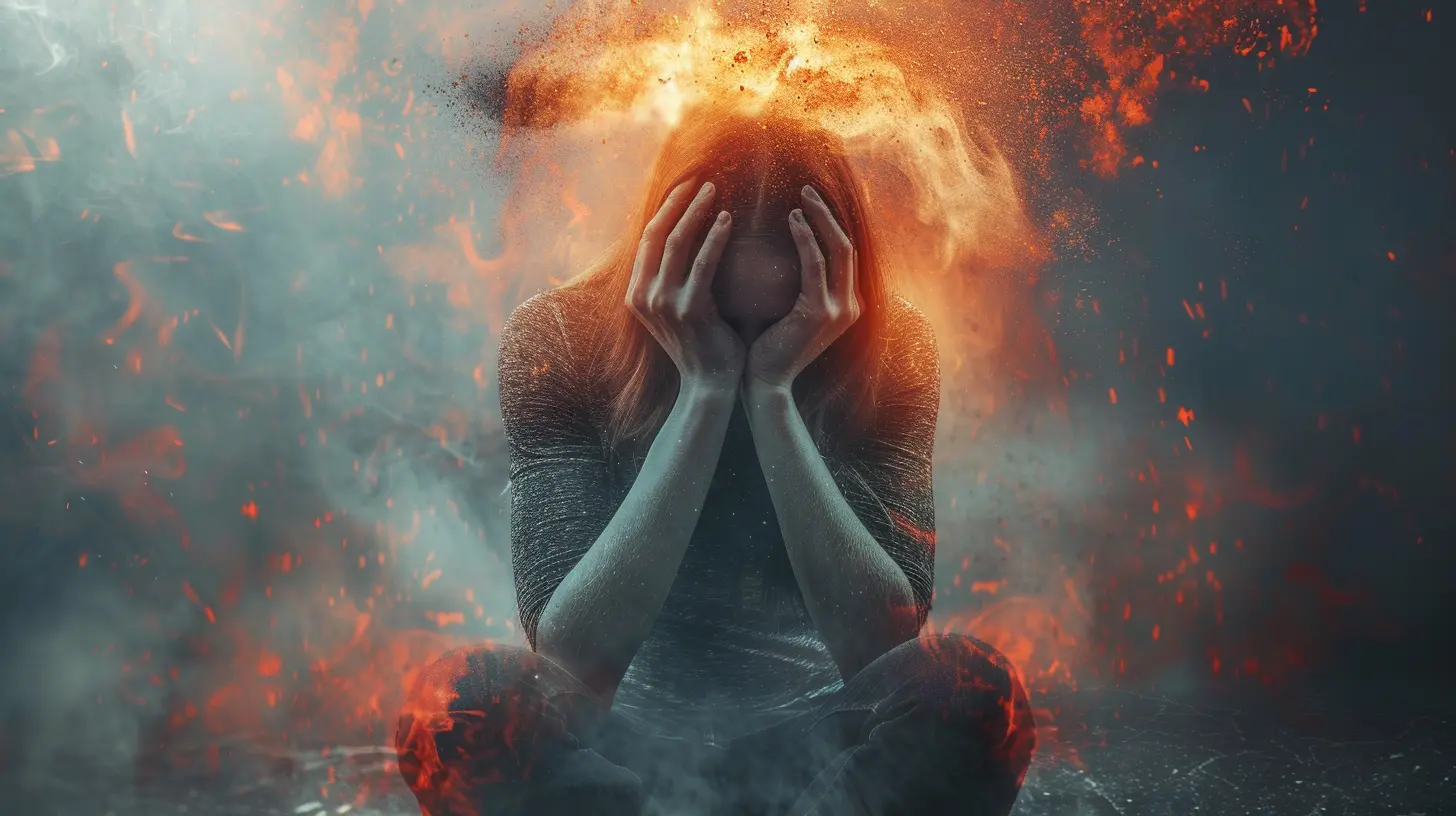
What Is Emotional Dependency?
Imagine trying to walk with crutches you don’t actually need. That’s emotional dependency in a nutshell—leaning on others not just for support, but for your entire emotional balance.It’s when your self-worth, happiness, or security depends on someone else’s presence, validation, or approval. It can happen in romantic relationships, friendships, even with family.
Some common signs include:
- Feeling anxious or panicked when you’re not in contact with a certain person
- Needing constant reassurance that you’re loved or valued
- Fearing abandonment or rejection to the point it controls your actions
- Putting your needs aside just to keep the other person happy
- Losing your sense of identity in a relationship
Sounds exhausting, doesn’t it? That’s because it is—and over time, it chips away at your mental health.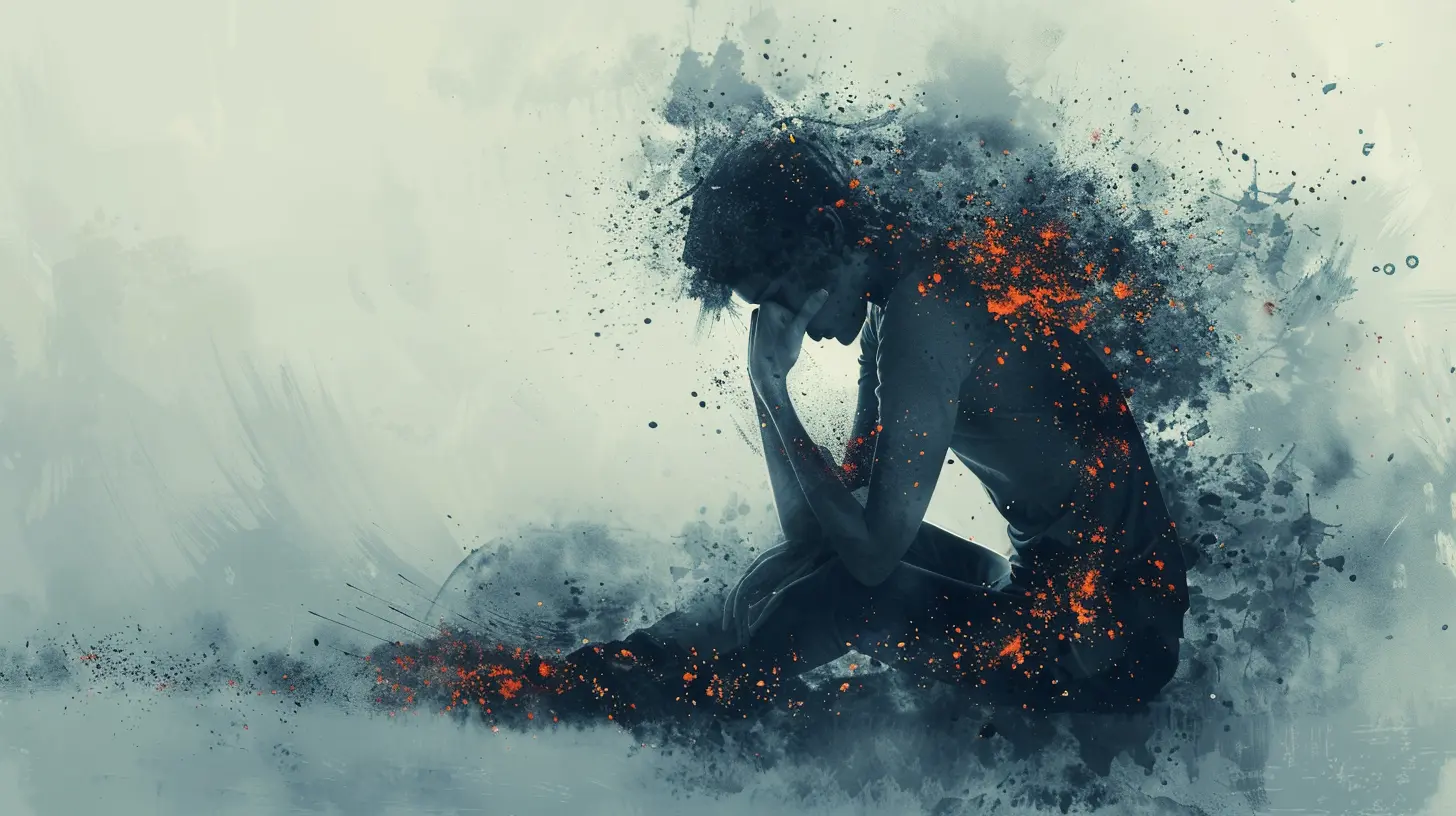
The Roots of Emotional Dependency
So, where does this all begin?Like many emotional patterns, dependency usually starts early. Childhood experiences, especially in dysfunctional or emotionally unstable environments, set the scene. If you grew up in a home where love was conditional—based on performance, obedience, or other people's moods—you might’ve learned that affection is something you earn, not something you deserve just for being you.
Unhealed trauma, low self-esteem, and attachment issues (especially insecure attachment styles) are major players in this game. If you never learned how to self-soothe or feel secure inside yourself, it’s natural to seek that externally. Problem is, that external source is unreliable. People are human. They’re flawed. And when your peace hangs on someone else’s words or actions, your mental state becomes a rollercoaster.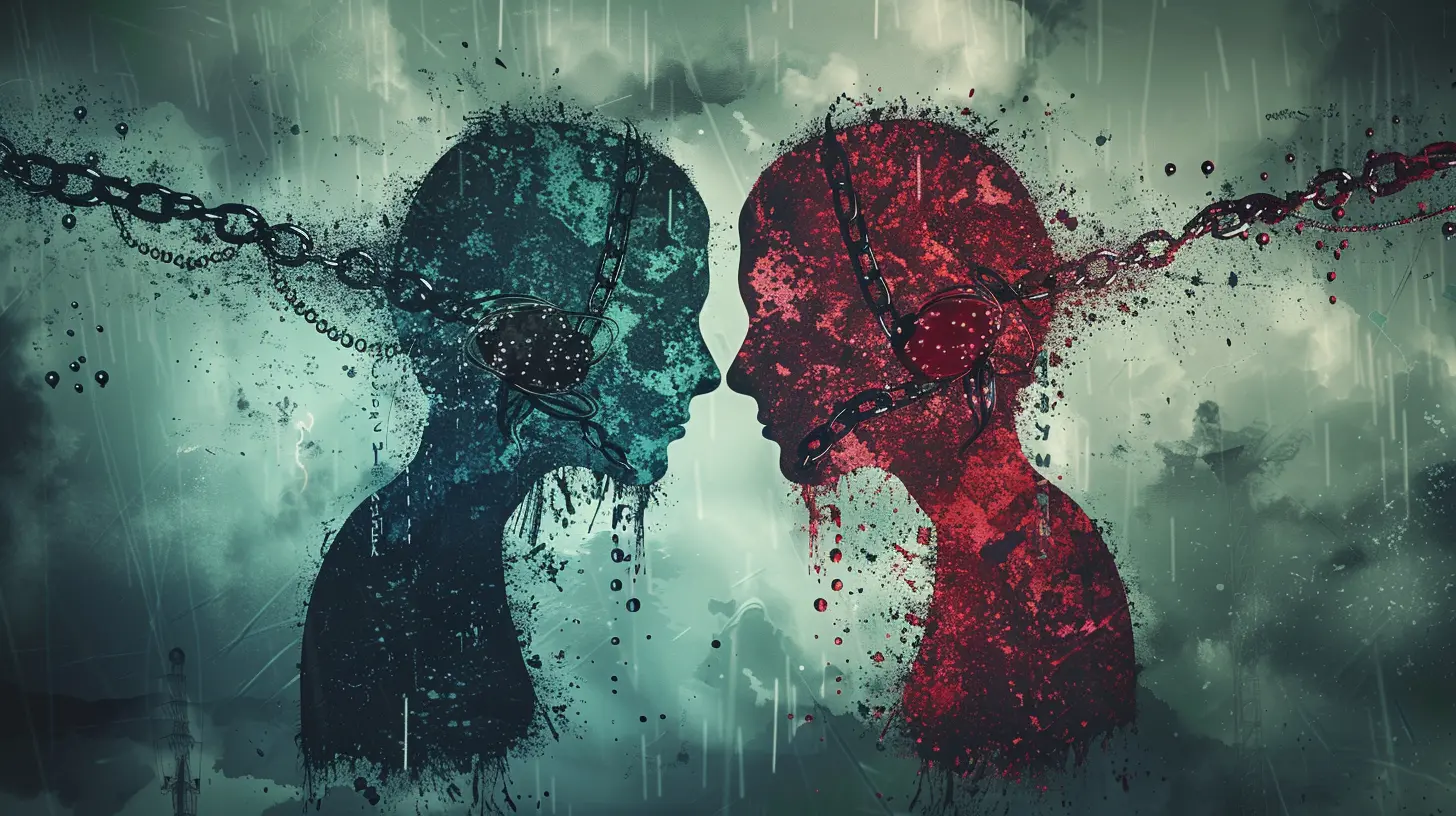
Why It Feels Like Love (But Isn’t)
Here’s the kicker: emotional dependency is often mistaken for deep love or passion. The intensity, the highs and lows, the "can’t live without you" vibe—Hollywood glorifies it. But romanticizing that level of attachment can be dangerous.Love says: “I care about you, but I’m okay on my own.”
Dependency says: “Without you, I’m nothing.”
Big difference.
When you function more like a shadow than a partner in a relationship, it’s not love—it’s survival. And love shouldn’t feel like life or death. That’s too much pressure for any relationship to bear.
How Emotional Dependency Affects Your Mental Health
Let’s get down to the real talk—how does emotional dependency actually affect your mental health?1. Constant Anxiety and Fear of Abandonment
This is probably the most obvious (and painful) impact. Living on edge, always fearing the end of a relationship, creates chronic anxiety. Your nervous system stays in fight-or-flight mode, even when nothing is wrong. That’s exhausting for your body and mind.2. Depression and Hopelessness
When emotional needs aren’t met—or your go-to person is unavailable—it can trigger deep feelings of sadness, emptiness, or hopelessness. If your entire emotional world is wrapped around one person, any shift in their behavior can spiral you into depression.3. Low Self-Esteem
Here’s the paradox: the more you rely on others to feel worthy, the less worthy you start to feel. That’s because external validation is never consistent or reliable. Over time, your confidence gets chipped away, making you feel even more dependent.4. Emotional Burnout
Constantly seeking reassurance, suppressing your feelings to make someone else stay, or walking on eggshells just to avoid conflict? That’s emotional labor—and it leads to burnout. You lose energy, motivation, and the joy that relationships are supposed to bring.5. Identity Loss
Ever been so wrapped up in someone that you stopped doing things you once loved? Emotional dependency erodes your sense of self. You don’t just risk losing a relationship—you risk losing you in the process.6. Relationship Problems
Ironic, right? The very thing you fear—losing the relationship—is more likely to happen when emotional dependency is involved. Why? Because it creates imbalance. The other person may feel smothered, while you feel constantly insecure. That’s a recipe for tension, resentment, and, ultimately, disconnection.The Cycle of Emotional Dependency
Emotional dependency doesn’t usually show up overnight. It’s more like a slow burn that turns into a wildfire. Here’s how the cycle often looks:1. You meet someone and feel an intense connection.
2. You start relying on them emotionally more and more.
3. Your mood begins to hinge on their behavior.
4. You notice feelings of fear, jealousy, or insecurity creeping in.
5. You become overly accommodating to keep them happy.
6. They may start pulling away (because, hey, pressure).
7. You panic and try harder to keep them close.
8. They withdraw even more... and the cycle continues.
Breakups, heartbreak, and mental health crises often happen at stage 6 or 7. It’s a vicious loop—and breaking free requires awareness and action.
Breaking Free: How to Heal Emotional Dependency
The good news? You’re not stuck here. Emotional dependency is a pattern—one that can be unlearned.1. Build Self-Awareness
Start by calling it what it is. Notice your patterns. Ask yourself:- Do I feel anxious when I'm not with or talking to them?
- Do I need constant reassurance to feel okay?
- Am I afraid to be alone?
Awareness is the first, and most powerful, step.
2. Reconnect With Yourself
Think of this like dating yourself. What do you enjoy? What makes you feel alive? Rediscover hobbies, passions, interests—anything that brings joy without someone else's involvement.Your relationship with yourself sets the tone for every other relationship. Treat it like the most important one (because it is).
3. Learn Emotional Regulation
Instead of looking outward to fix how you feel, practice calming your own storm. This could mean:- Breathwork
- Journaling
- Mindfulness or meditation
- Talking it out with a therapist or trusted friend
The goal? Become your own safe space.
4. Set Boundaries
Healthy love has boundaries. It’s okay to say “no,” to ask for space, and to prioritize your own needs without guilt. Boundaries don’t push people away—they protect what matters.5. Work on Self-Esteem
Remind yourself that you're enough, just as you are. Not because someone else says so—but because you believe it. Affirmations, therapy, and self-compassion go a long way here.It’s Okay to Need People—But Not to Lose Yourself
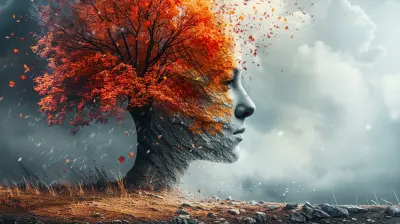
We’re wired for connection. That’s not a flaw, it's biology. We all need support, love, and companionship. But there's a world of difference between needing someone and needing someone to be okay.Think of it this way: a healthy relationship is like two trees growing side by side. They lean on each other occasionally, share sunlight, maybe even intertwine their roots a bit—but they each grow tall on their own.
That’s the goal.
The Takeaway
Emotional dependency can sneak into your life disguised as love or devotion. But if left unchecked, it drains your mental health, distorts your identity, and damages your relationships. The good news? You have the power to reclaim your emotional independence.It starts with putting yourself back in the driver’s seat of your own happiness.
Remember, you are enough—without needing to prove it to anyone or have someone else confirm it.
So, let go of that invisible leash. Breathe. Stand tall. Find your roots again.
Because the most secure love starts with loving yourself.
all images in this post were generated using AI tools
Category:
Emotional DependencyAuthor:

Gloria McVicar
Discussion
rate this article
2 comments
Zeno Acevedo
This article sheds light on a crucial topic. Understanding emotional dependency is so important!
May 4, 2026 at 4:19 AM
Gloria McVicar
Thank you for your comment! I'm glad you found the topic important. Understanding these dynamics is vital for mental health.
Amelia Rocha
Emotional dependency can create a fragile self-esteem, tethering our happiness to others’ validation. It’s essential to cultivate self-awareness and resilience, fostering independence to nurture authentic connections that enrich our mental well-being.
April 6, 2026 at 3:02 PM