The Healing Power of Nature: Using the Outdoors to Reduce Stress
16 January 2026
Stress is everywhere. Bills pile up, deadlines loom, and life just doesn’t slow down. But here’s the thing—your solution might be right outside your door. Nature isn’t just a pretty backdrop for your Instagram feed; it’s a powerful remedy for stress, anxiety, and even burnout.
In a world dominated by screens, notifications, and constant noise, reconnecting with nature is like hitting the reset button on your mind. It’s not just a feel-good idea—it’s backed by science. So, let’s break it down: how does nature work its magic, and how can you use it to your advantage? 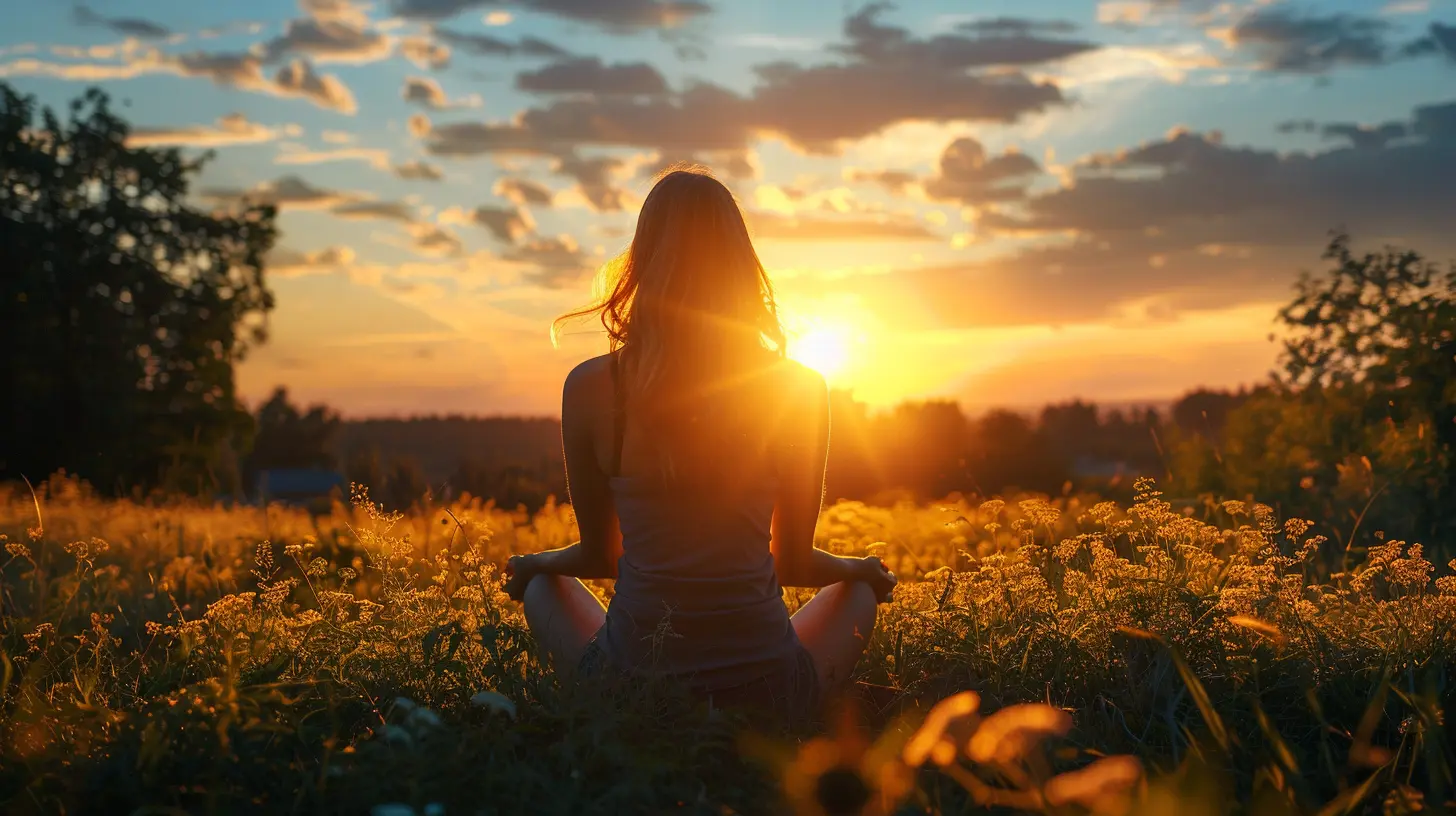
Why Nature is the Ultimate Stress Reliever
1. Fresh Air Clears Your Mind
Ever feel like your brain is running on fumes? That’s because it probably is. Indoor air is packed with toxins, artificial light strains your eyes, and constant noise overstimulates your brain.Stepping outside into fresh air gives your body the oxygen it craves. Your brain gets more clarity, your breathing slows, and stress levels start to drop. It’s like giving your mind a much-needed deep breath.
2. Nature Lowers Cortisol Levels
Cortisol is the body’s stress hormone—it spikes when you're anxious, overwhelmed, or running on fumes. Studies show that spending time in natural settings significantly decreases cortisol levels. That means less stress, lower blood pressure, and even a boosted immune system.3. The "Reset" Effect: Grounding and Mindfulness
Nature forces you to be present. When you're standing under a massive tree, listening to birds chirp, or feeling the wind on your skin, your mind can't help but focus on the moment. This is mindfulness at its finest—effortless, natural, and incredibly healing.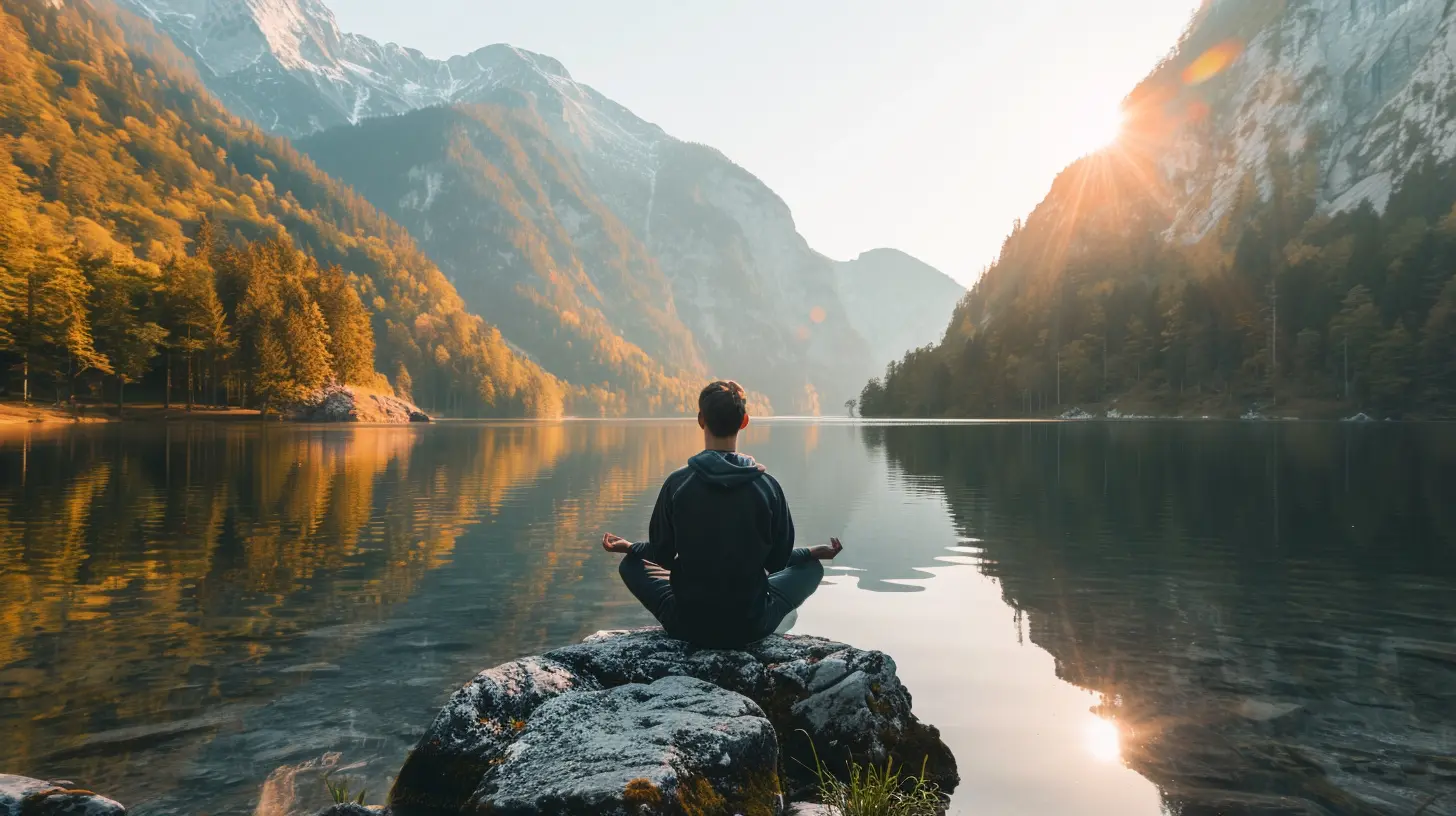
Science-Backed Benefits of Nature for Mental Health
If this sounds too good to be true, don’t just take my word for it. Science is on board with nature’s stress-relieving powers.1. Nature Reduces Anxiety and Depression
A study published in Environmental Health and Preventive Medicine found that participants who spent time in forests had lower levels of stress hormones compared to those who stayed in urban environments. Simply being in nature reduces negative thoughts and promotes relaxation.2. The Outdoors Improves Focus and Creativity
Ever hit a mental block? Take a walk outside. Research from Stanford University suggests that walking in nature improves creative thinking and problem-solving skills. Nature isn’t just a stress reducer—it’s a productivity booster.3. Sunlight Boosts Your Mood Naturally
Sunlight increases serotonin, the “happy chemical” in the brain. Low serotonin levels are linked to depression, anxiety, and mood swings. A simple 20-minute walk in the sun can give your brain the natural boost it needs.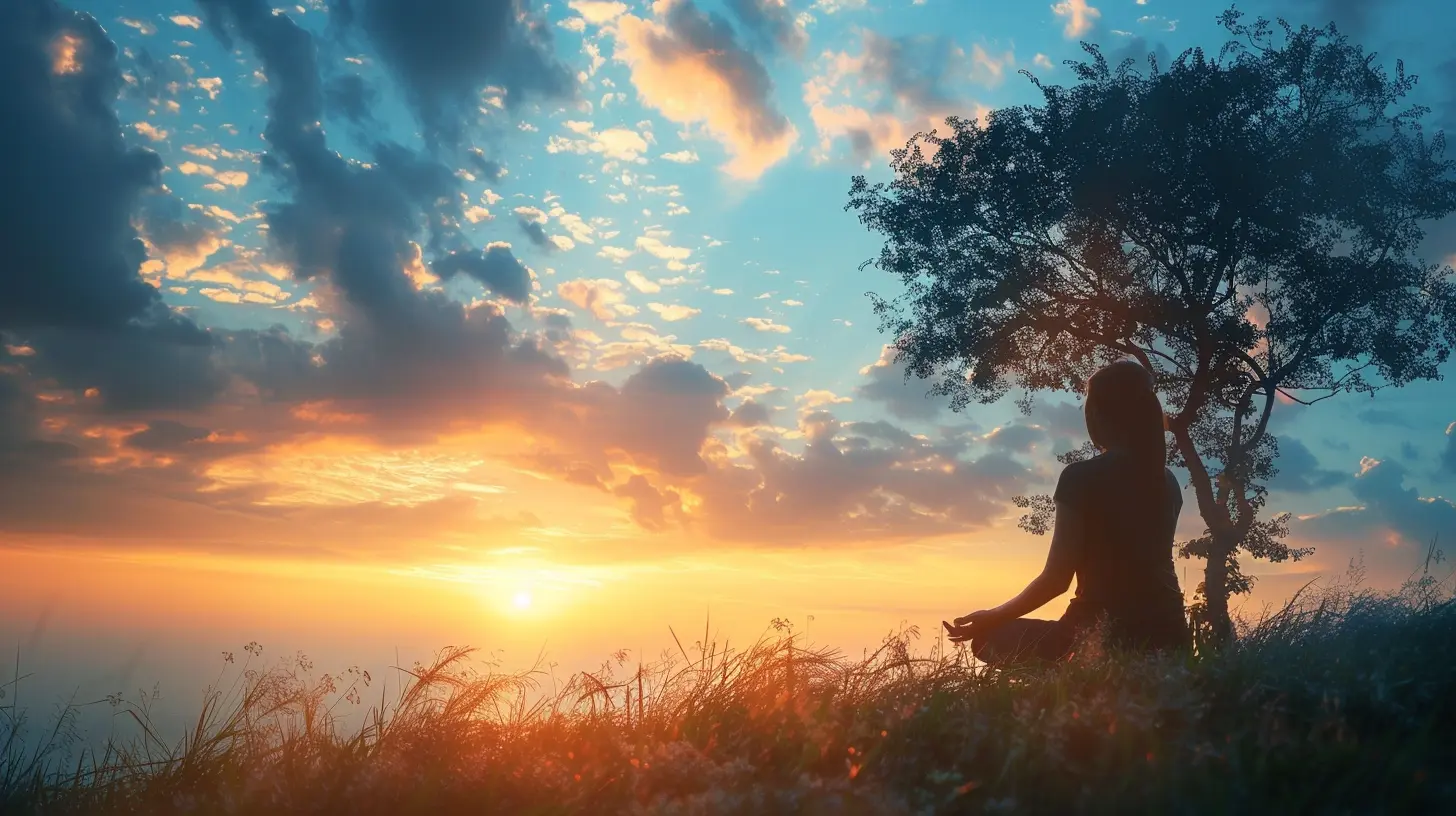
Practical Ways to Use Nature for Stress Relief
Now that we know how nature works its magic, let’s get real: how can you actually incorporate it into your daily life?1. Walk Your Stress Away
Walking is one of the easiest ways to clear your head. No gym membership, no fancy equipment—just you and the great outdoors. A 30-minute walk in a green space can lower anxiety levels and boost your mood instantly.2. Try Forest Bathing (Yes, It’s a Thing!)
Forest bathing, or Shinrin-yoku, is a Japanese practice that involves immersing yourself in a forest setting. No phones, no distractions—just you and nature. It’s been proven to lower blood pressure, reduce stress hormones, and even boost the immune system.3. Take Your Work Outside
Working from home? Take your laptop outside. Studies show that outdoor workspaces reduce stress and enhance focus. Even a short coffee break on your balcony can do wonders for your mood.4. Get Your Hands Dirty
Gardening is one of the most therapeutic outdoor activities. Digging in the soil, planting flowers, and feeling the earth between your fingers is surprisingly calming. Plus, gardening has been linked to lower cortisol levels and increased dopamine production.5. Unplug and Go Tech-Free for an Hour
We’re all guilty of doom-scrolling through social media. But what if you took an hour a day to unplug and just be in nature? No phones, no distractions—just you, the wind, and maybe a few chirping birds.
The Best Types of Nature for Stress Relief
Not all natural environments have the same effect. Some places are better at calming the mind than others. Here are the best stress-busting outdoor settings:1. Forests
Tall trees, rustling leaves, and the scent of pine—forests are natural therapy rooms. Studies show that spending time in the woods significantly reduces cortisol levels.2. Mountains
The high-altitude air, breathtaking views, and peaceful silence of mountains create the perfect setting for relaxation.3. Beaches
The rhythmic sound of waves, salty breeze, and soft sand under your feet—beaches are an instant stress reliever. Walking barefoot on the sand (also known as "earthing") has been linked to lower stress levels.4. Parks and Green Spaces
If you don’t live near a beach or a forest, don’t stress. Even a simple stroll in a city park can provide major mental health benefits.Nature and Sleep: The Unexpected Bonus
Struggling with sleep? Nature can help. Exposure to natural light regulates your circadian rhythm, making it easier to fall asleep at night. Plus, fresh air and physical activity lead to deeper, more restful sleep.Pro tip: Try watching the sunset or spending time outside before bed. It signals to your brain that it’s time to wind down.
Breaking the Excuses: How to Make Time for Nature
"I don't have time.""I'm too busy."
"It's too cold outside."
Sound familiar? We all make excuses. But here’s the truth—nature doesn’t require hours of your time. Even small changes in your daily routine can make a difference.
- Lunch Break Outdoors: Eat your lunch outside instead of at your desk.
- Morning Walk: Swap 10 minutes of social media scrolling for a quick outdoor walk.
- Weekend Nature Trips: Dedicate one weekend a month to a natural getaway—whether it’s hiking, kayaking, or just chilling in a park.
Small steps lead to big changes.
Final Thoughts: Nature is Your Free Therapy
At the end of the day, nature is the ultimate stress reliever. It doesn’t cost a dime, it’s always available, and it works faster than most medications. So why not use it?The next time you feel overwhelmed, anxious, or just mentally drained—step outside. Breathe in the fresh air, feel the sun on your skin, and let nature work its magic. Your mind will thank you for it.
all images in this post were generated using AI tools
Category:
Mental WellnessAuthor:

Gloria McVicar
Discussion
rate this article
2 comments
Miriam Griffin
In nature's embrace, stress melts away, Whispers of wind, a soothing ballet. Let the forest's calm cradle your soul, Healing within, making you whole.
February 2, 2026 at 4:54 AM
Gloria McVicar
Thank you for beautifully capturing the essence of nature's healing power! Your words perfectly reflect how the outdoors can nourish our souls and promote well-being.
Isolde McFarland
This article effectively underscores nature's therapeutic benefits, highlighting how outdoor experiences can significantly lower stress and enhance overall mental well-being.
January 24, 2026 at 4:51 AM
Gloria McVicar
Thank you for your thoughtful comment! I'm glad you found the article highlights the important connection between nature and mental well-being.