How Small Changes Lead to Big Habit Shifts by 2027
24 April 2026
Let me ask you something: Have you ever stared at a mountain and thought, “There’s no way I’m climbing that thing”? Of course you have. We all have. That mountain might be a goal like losing 50 pounds, writing a book, or finally getting your finances in order. It looks impossible from the bottom. But here’s the secret nobody tells you: You don’t climb the mountain in one go. You take one step. Then another. And another. By 2027, those tiny, almost laughable steps will have carried you to the summit—without you even realizing you were climbing.
We’re living in an age of instant gratification. We want the six-pack in six weeks, the viral post overnight, the career change by next Monday. But psychology—and plain old human history—shows us that real, lasting change doesn’t work that way. It works in whispers, not shouts. It works through small, deliberate, almost boring shifts that compound over time. By 2027, the person you want to become is already hiding inside the habits you start today. Let’s unpack how that works, why it’s so powerful, and how you can make it your reality.
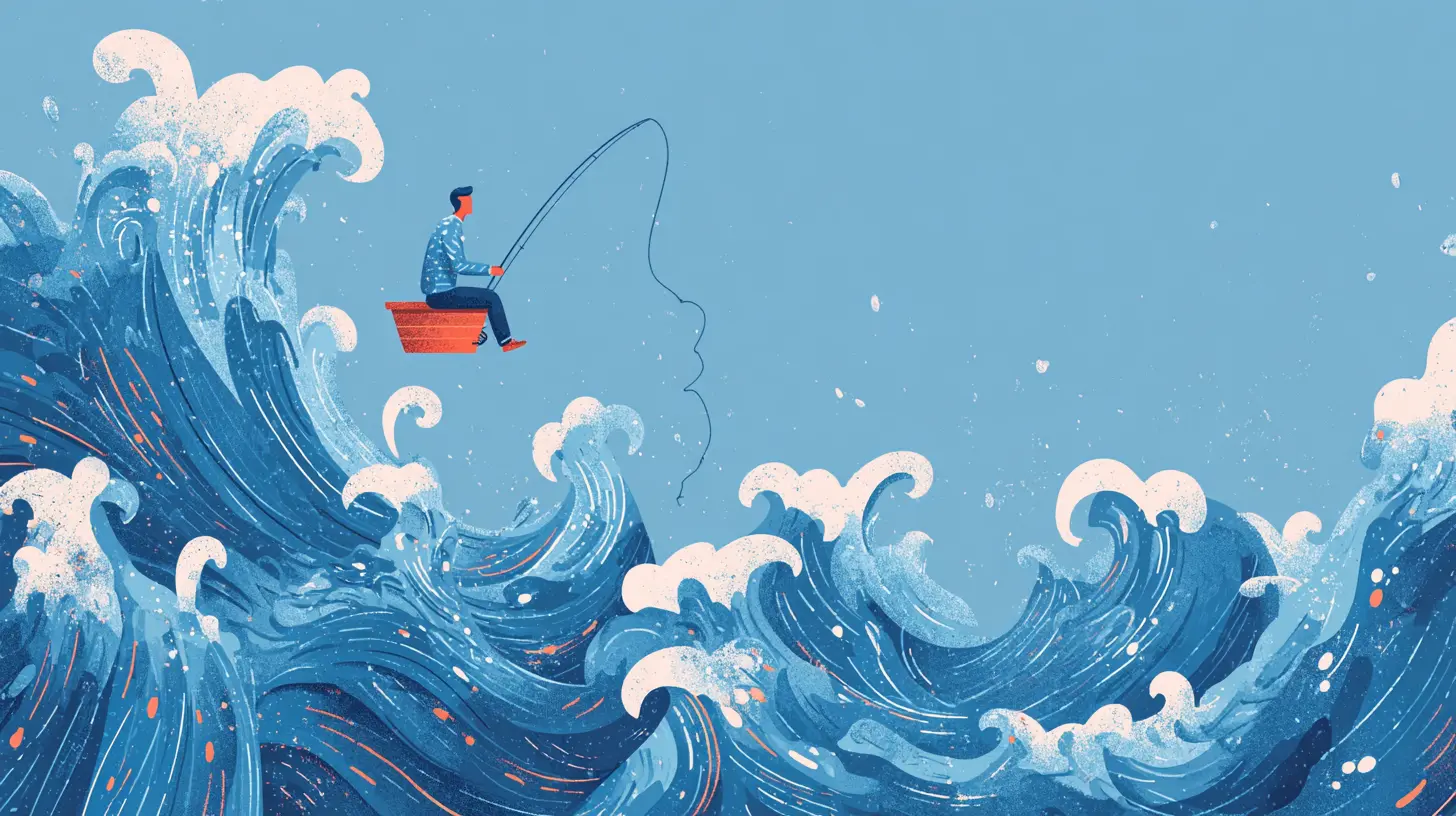
The Myth of the Overnight Transformation
We’ve been sold a lie. Movies, social media, and even well-meaning friends tell us that change happens in a dramatic, fireworks-filled moment. You wake up one day, have an epiphany, and suddenly you’re a new person. Bull. Real change is messy, slow, and often invisible. Think about a tree growing. You don’t see it getting taller day by day. You only notice it’s bigger after months or years. Your habits are the same.The problem is, we underestimate the power of small actions because they feel insignificant. Brushing your teeth for two extra minutes? Who cares? Reading one page of a book before bed? That’s nothing. But here’s the kicker: Everything in your life right now—your health, your relationships, your career—is the result of thousands of tiny, repeated actions. You didn’t become a couch potato overnight. You sat down for “just one episode” a few hundred times. You didn’t become anxious overnight. You worried about one small thing, then another, then another.
So if small actions can build a prison, they can also build a palace. The key is understanding that by 2027, the compound effect of your micro-habits will either be your greatest asset or your biggest regret. The choice is yours, and it starts with a single, almost laughably small step.
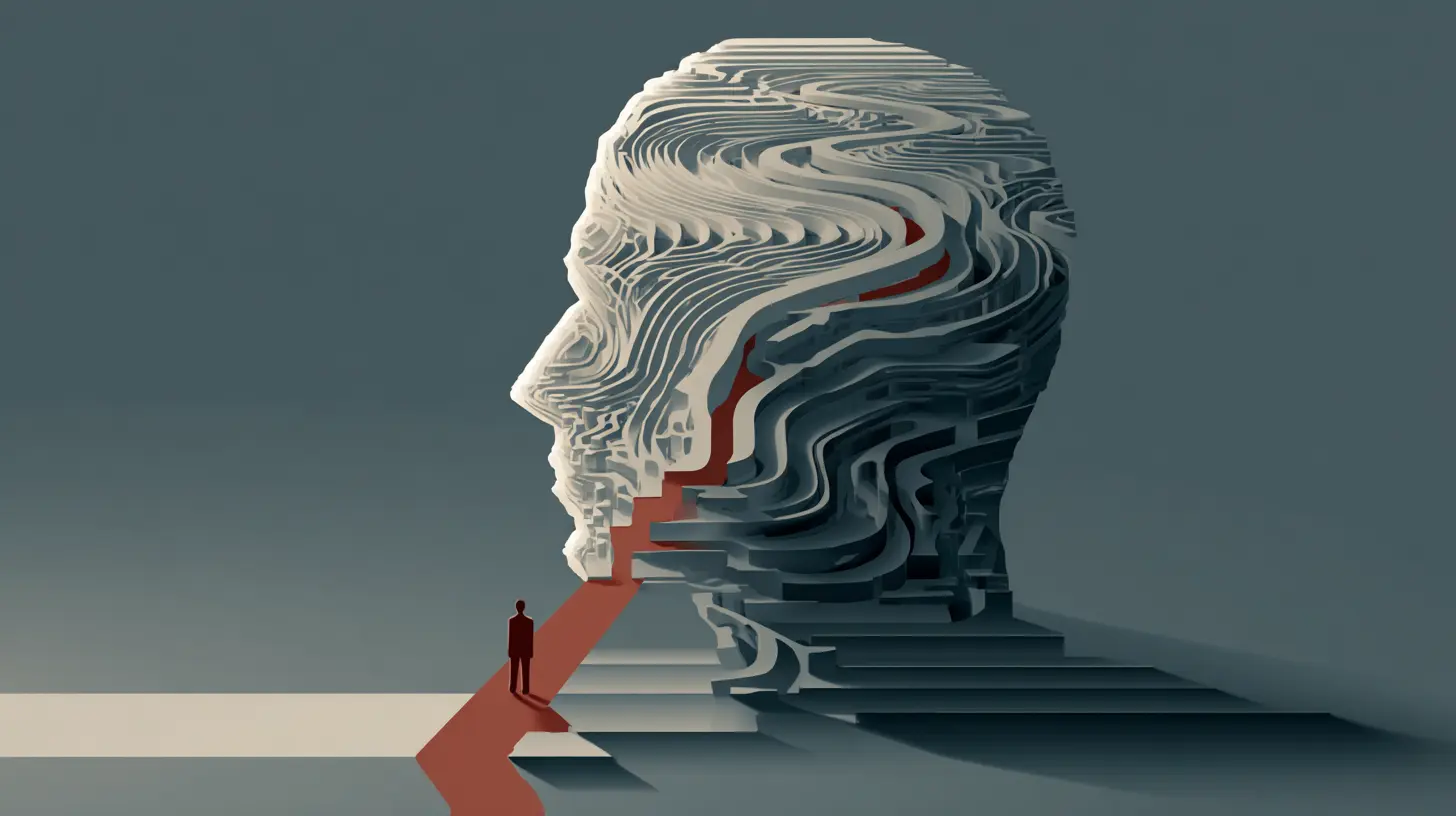
Why Your Brain Hates Big Changes (And Loves Tiny Ones)
Let’s get a little nerdy for a second—but in a fun way. Your brain is wired for survival, not for transformation. It sees big changes as threats. When you decide to “completely overhaul your life,” your amygdala—that little almond-shaped alarm system in your head—starts screaming, “Danger! Danger! We’re doing something unfamiliar!” That’s why New Year’s resolutions fail by February. You’re asking your brain to run a marathon when it’s barely trained for a walk.But small changes? Your brain barely notices them. They slip under the radar. If you decide to drink one glass of water every morning instead of your usual coffee, your brain goes, “Okay, that’s fine. We can handle that.” No resistance. No panic. And here’s the magic: once that small change becomes automatic—usually after about 21 to 66 days, depending on the habit—your brain rewires itself. It creates a new neural pathway. And that pathway becomes a superhighway for bigger changes.
Think of it like this: You’re not trying to move a boulder with one push. You’re chipping away at it with a tiny hammer. Chip by chip, day by day, that boulder becomes gravel. By 2027, that gravel will be dust, and you’ll be standing on the other side, wondering why you ever thought the boulder was so heavy.

The 1% Rule: How Tiny Gains Create Massive Momentum
There’s a concept in psychology and performance science called “marginal gains.” It’s the idea that improving by just 1% every day leads to a 37-fold improvement over a year. That’s not hype—that’s math. If you get 1% better at something every day for a year, you end up 37 times better. Now imagine doing that for three years, until 2027.But let’s make it real. Say you want to be more disciplined with your time. You don’t need to suddenly wake up at 5 AM, meditate for an hour, and plan your entire day in color-coded blocks. That’s a recipe for burnout. Instead, try this: For the next week, set a timer for five minutes every morning and write down three things you want to accomplish that day. That’s it. Five minutes. By the end of the week, you’ll have a small habit. By the end of the month, you’ll naturally start extending that time. By 2027, you’ll be a time-management ninja—and you won’t even remember when it started.
The beauty of the 1% rule is that it removes pressure. You don’t have to be perfect. You just have to be slightly better than yesterday. And here’s a rhetorical question for you: Can you do one thing today that’s 1% better than what you did yesterday? Of course you can. You just did by reading this sentence.
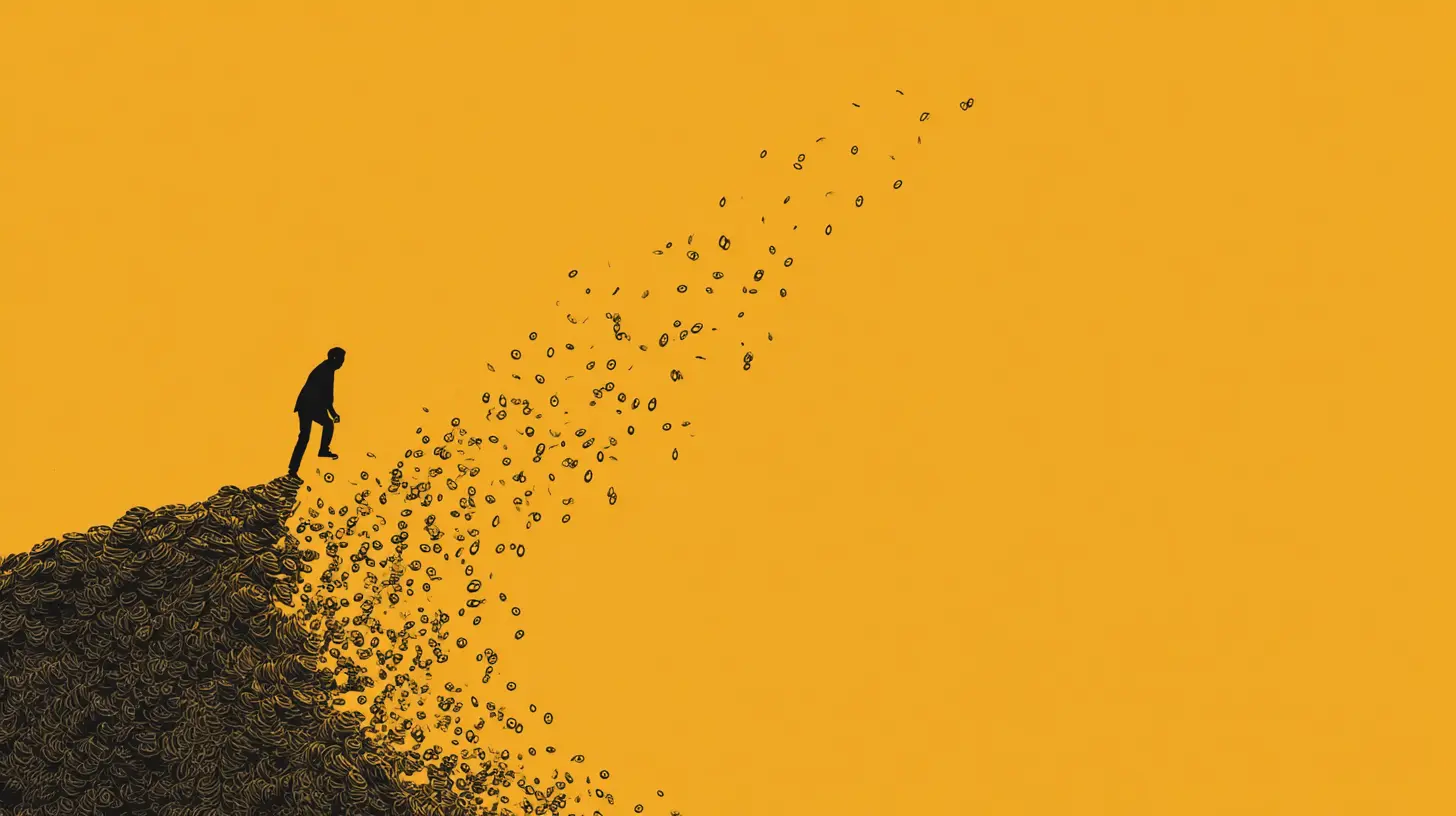
The Identity Shift: Becoming the Person Who Does the Thing
Here’s where psychology gets really interesting. Most people focus on outcomes: “I want to lose 20 pounds.” “I want to save $10,000.” “I want to write a novel.” But outcomes are fickle. They depend on factors you can’t control. What you can control is your identity. Instead of saying, “I want to lose weight,” say, “I am a person who makes healthy choices.” Instead of “I want to write a book,” say, “I am a writer.”Small changes work because they reinforce this new identity. Every time you do a tiny action, you’re casting a vote for the person you want to become. Drink a glass of water instead of soda? That’s one vote for “healthy person.” Read one page of a book? That’s one vote for “reader.” Walk for five minutes? That’s one vote for “active person.” Over time, these votes add up. The evidence becomes overwhelming. You can’t deny that you’re a healthy person when you’ve cast hundreds of votes in that direction.
By 2027, your identity will have shifted so completely that the old you will feel like a stranger. And the best part? You won’t have to force it. It will happen naturally because you focused on the small stuff.
The Two-Minute Rule: Your Secret Weapon Against Procrastination
Let’s be honest: Procrastination is a beast. It’s not laziness—it’s fear. Fear of failure, fear of imperfection, fear of the sheer size of the task. The two-minute rule is the antidote. It says: Any habit can be started in under two minutes. Want to exercise? Put on your workout shoes. That’s it. Want to write? Open a blank document and type one sentence. Want to meditate? Sit down and take three deep breaths.The goal isn’t to finish the task. The goal is to start it. Because once you start, momentum kicks in. Physics tells us that objects in motion tend to stay in motion. Psychology tells us the same. That one sentence becomes a paragraph. Those three breaths become five minutes. Those shoes get you out the door.
Here’s a metaphor: Starting a habit is like pushing a car. The first push is the hardest. You have to overcome inertia. But once that car is rolling, it takes less and less effort to keep it moving. By 2027, you’ll be cruising down the highway of your goals, and you’ll barely remember the effort it took to get started.
Stacking Habits: How to Build a Chain of Success
You’ve probably heard of habit stacking. It’s the idea of attaching a new habit to an existing one. For example: “After I pour my morning coffee, I will write one sentence in my journal.” “After I brush my teeth at night, I will do one push-up.” The existing habit acts as a trigger, making the new one easier to remember and execute.But here’s the deeper psychology: Habit stacking creates a chain. And chains are hard to break. Once you’ve done your morning routine for a week, breaking it feels like breaking a promise to yourself. That discomfort is actually a good sign—it means the habit is sticking. By 2027, you’ll have stacked so many small habits that your days will run on autopilot, and you’ll be amazed at how much you’ve accomplished without willpower.
Try this: Pick one existing habit you already do every day—like brushing your teeth, making your bed, or checking your phone. Then attach one tiny new habit to it. That’s it. Don’t add more until the first one feels automatic. Slow and steady wins the race, and by 2027, you’ll have a whole ecosystem of habits working for you.
The Role of Environment: Make the Small Change Obvious
You’ve heard the saying, “Out of sight, out of mind.” It’s true for bad habits, but it’s also true for good ones. If you want to eat healthier, put the fruit on the counter and hide the cookies in the back of the pantry. If you want to read more, put a book on your pillow. If you want to exercise, lay out your workout clothes the night before.Your environment is a silent architect of your behavior. Every small change you make to your surroundings is a small change in your habits. By 2027, your environment will be optimized for the person you want to be. You won’t have to think about it—your space will do the thinking for you.
Think about it: How many times have you eaten junk food simply because it was within arm’s reach? How many times have you skipped a workout because your gym bag was in the closet? Make the good habits easy and the bad habits hard. It’s not rocket science, but it works.
The Power of Accountability: Don’t Go It Alone
Let’s be real: Changing habits is hard. It’s even harder when you’re doing it alone. That’s why accountability is a game-changer. Tell a friend what you’re doing. Join a group. Post your progress online. The simple act of saying, “I’m going to do this,” makes you more likely to follow through.But here’s the twist: You don’t need a drill sergeant. You just need someone who checks in. A quick text: “Did you do your two minutes today?” That’s enough. That small nudge can be the difference between giving up and pushing through. By 2027, your accountability partner might be someone you’ve never met, but they’ll be part of your success story.
The Inevitable Setbacks: How to Bounce Back Without Falling Apart
I’d be lying if I said this journey would be smooth. You will miss a day. You will fall off the wagon. You will eat the cake, skip the workout, or forget to journal. That’s not failure—that’s being human. The key is not to let one slip-up become a spiral.Psychologists call this the “what-the-hell effect.” You have one cookie, and then you think, “Well, I already ruined my diet, so I might as well eat the whole box.” Stop that thought in its tracks. One missed day doesn’t erase your progress. One small mistake doesn’t define you. The person you’re becoming by 2027 is resilient. They don’t quit because of one bad day. They get back up, take one small step, and keep moving.
The 2027 Vision: Who Will You Be?
Close your eyes for a moment. Imagine it’s December 31, 2026. You’re looking back at the past three years. What do you see? Maybe you’ve written 300 pages of a novel—just one page a day. Maybe you’ve saved $10,000—just $10 a week. Maybe you’ve run a marathon—just five minutes of walking a day. The math is simple, but the impact is profound.The person you are in 2027 is not a stranger. They’re you—but with a few thousand small changes stacked on top of each other. They’re healthier, happier, more disciplined, and more free. And they’re grateful that the you of today had the courage to start small.
So here’s my challenge to you: Pick one tiny habit. Not a big one. Not a perfect one. Just one. Do it tomorrow. Then do it the next day. Don’t worry about 2027 yet. Just worry about today. Because today is the only day that matters. And today, you’re taking the first step up that mountain.
all images in this post were generated using AI tools
Category:
Psychology Of HabitsAuthor:

Gloria McVicar
Discussion
rate this article
1 comments
Vanessa Hensley
Small changes can spark significant transformations. Embrace the power of gradual progress. Every tiny step forward brings you closer to the habits that can shape a brighter future. Keep going!
May 9, 2026 at 3:02 PM
Gloria McVicar
Absolutely! Every small step counts. It's amazing how these little changes can lead to meaningful habits over time. Keep pushing forward!