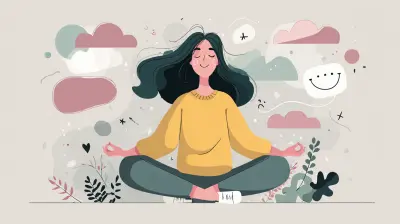
The Connection Between Sleep and Emotional Health
25 December 2025
Let’s be honest—life's tough when you're running on fumes. You’re groggy, irritable, and even the smallest hiccup can feel like the end of the world. Sound familiar? That’s because sleep and emotions are tangled together like a set of messy earbuds in your pocket.
In today’s fast-paced world, sleep often takes a backseat. We stay up binge-watching shows, doom-scrolling through social media, or burning the midnight oil to meet deadlines. But here’s the kicker: sleep isn’t just about recharging your body—it’s about keeping your emotions in check too. Emotional health and sleep go hand in hand, like peanut butter and jelly.
So, if you're tired of feeling cranky, anxious, or like a ticking emotional time bomb, this one's for you. Let’s dive into how your relationship with your bed might just be the key to your emotional well-being.
What Exactly Is Emotional Health?
Before we go any further, let’s break down what we’re really talking about here.Emotional health doesn’t mean walking around with a constant smile or pretending everything’s fine. Nope. It’s about being in control of your emotions, handling stress like a champ, building strong relationships, and bouncing back when life throws a curveball. Emotional health is your foundation—it affects how you think, feel, and relate to the world.
And guess what? That foundation starts to crack when you’re sleep-deprived.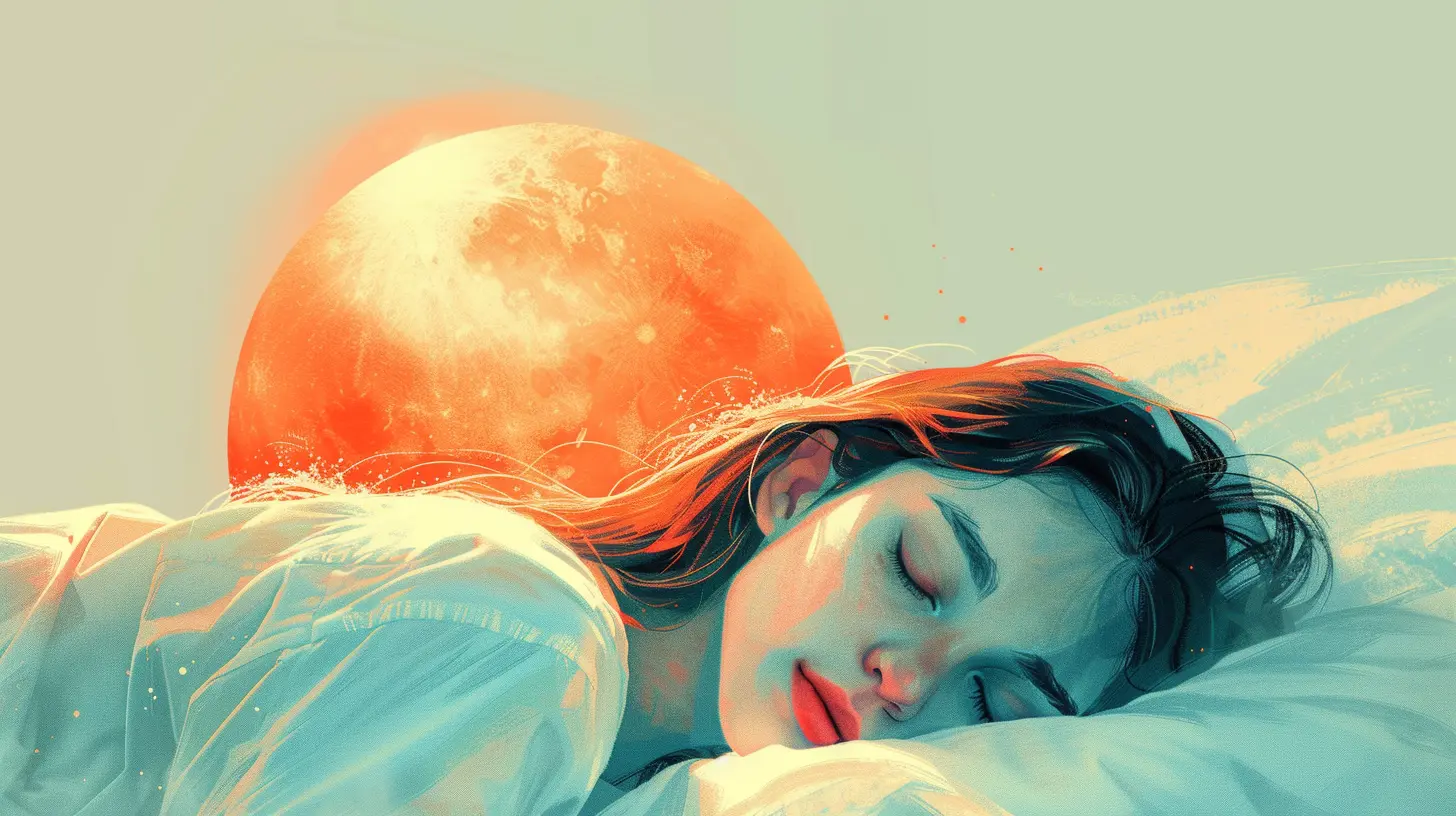
Why Sleep Matters (More Than You Might Think)
Sleep isn’t just “resting.” It’s a full-blown mental and physical reset. During sleep, your brain is anything but idle—it’s busy sorting memories, cleaning up mental clutter, and restoring your emotional balance.There are several sleep stages, but REM (Rapid Eye Movement) sleep is the MVP when it comes to emotions. This is when your brain processes feelings and stressful experiences. Skip out on REM sleep, and you’re basically leaving your emotional baggage unchecked.
So, getting poor sleep is like shutting down your computer without saving your work. Sooner or later, something’s going to crash.
Sleep Deprivation Turns You into an Emotional Wreck
Let’s not sugarcoat it—not getting enough sleep can mess you up emotionally. Ever noticed how everything feels worse after a bad night’s sleep? That’s not just in your head.The Science Behind the Mood Swings
Here’s what’s going on under the hood: when you’re sleep-deprived, the amygdala—the brain’s emotion center—goes into overdrive. Think of it as your internal drama queen. It freaks out over minor things, exaggerates threats, and becomes super reactive.To make matters worse, your prefrontal cortex—the rational, decision-making part of your brain—basically clocks out. That means less control over your emotions and more snapping at your partner over how loudly they chew.
Researchers have found that people who are sleep-deprived are more likely to feel:
- Anxious
- Depressed
- Irritable
- Overwhelmed
- Emotionally numb
Yup, all those not-so-fun feelings.
Sleep and Mental Health Disorders: A Two-Way Street
Here’s where things get really interesting (and a bit complicated). Poor sleep doesn’t just make you cranky. It’s also deeply connected to mental health disorders.Depression and Sleep
Around 75% of people with depression struggle with sleep, according to studies. And it’s not just a side effect—sleep problems can actually cause or worsen depressive symptoms. Insomnia, in particular, is a major red flag.Think of it like this: depression pokes holes in your emotional bucket, and sleep is the water trying to fill it. If you're not getting enough sleep, that bucket never fills, and the emotional emptiness lingers.
Anxiety and Sleep
Anxiety loves to party at night. You know the feeling—your body’s exhausted, but your mind’s racing with worst-case scenarios. Lack of sleep feeds anxiety, and anxiety makes it harder to sleep. It's a vicious cycle that’s hard to break without addressing both sides.PTSD and Sleep
People with PTSD often deal with nightmares, insomnia, and low-quality sleep. Their brains stay in “alert mode,” making restful sleep nearly impossible. And without restorative sleep, managing trauma becomes even tougher.How Sleep Affects Your Emotional Reactions
Think about your worst emotional reactions—the times you cried over a spilled latte or snapped at someone for no reason. Nine times out of ten, sleep (or the lack of it) played a role.Lack of sleep dims your emotional intelligence. That means:
- You misread social cues.
- You overreact to minor stressors.
- You’re less empathetic.
- You have a shorter fuse.
- You struggle to handle criticism or conflict.
Basically, sleep-deprived you is not your best self.
The Role of Dreams in Emotional Processing
Ready for a twist? Dreams aren’t just random nonsense. They’re your brain’s way of sifting through emotions.When you dream, especially during REM sleep, your brain replays emotional experiences in a safe setting. It’s like free overnight therapy. This helps you process difficult feelings without feeling overwhelmed the next day.
Miss out on dreaming due to disrupted sleep? Your emotional house stays cluttered.
Getting Better Sleep = Better Emotional Health
Alright, enough of the doom and gloom. The good news is that you can improve your emotional health by improving your sleep habits. Here's how you can start:1. Stick to a Consistent Sleep Schedule
Your brain loves routines. Going to bed and waking up at the same time every day—even on weekends—helps regulate your body clock and improves sleep quality.2. Create a Wind-Down Routine
Treat bedtime like a ritual. Dim the lights, shut off screens, and do something relaxing—read a book, take a warm bath, or try some light stretching. Signal to your brain that it’s time to slow down.3. Manage Stress
Stress is a sleep killer. Try journaling, meditation, or deep breathing exercises to clear your mental clutter before your head hits the pillow.4. Watch What You Eat and Drink
Caffeine, alcohol, and heavy meals can mess with your sleep. Try cutting off caffeine by mid-afternoon and keeping dinner light.5. Make Your Room a Sleep Sanctuary
Think cool, dark, and quiet. Get blackout curtains, use a white noise machine, and keep electronics out of the bedroom. Your bed should be for sleep and intimacy—nothing else.What If You Still Can’t Sleep?
If you’ve tried all the tricks and still spend your nights tossing and turning, it might be time to talk to a professional. Insomnia, sleep apnea, and other sleep disorders can sneak up and cause serious emotional havoc.Cognitive Behavioral Therapy for Insomnia (CBT-I) is one of the most effective treatments out there. It targets the thoughts and behaviors that mess with your sleep and helps you get back on track—without relying on sleeping pills.
Small Changes = Big Emotional Wins
Improving your sleep isn’t just about feeling less tired—it’s about reclaiming your emotional stability. When you sleep well, you’re more patient, more focused, and better equipped to handle life’s curveballs. You’ll notice:- Better relationships
- Less anxiety
- Improved mood
- Sharper decision-making
- An overall sense of peace
What’s not to love?
Final Thoughts: Sleep Isn’t a Luxury—It’s a Necessity
Let’s stop treating sleep like a luxury and start recognizing it as a non-negotiable part of emotional wellness. You wouldn’t skip meals for days and expect to feel good, right? So why skimp on sleep?Your emotional health isn’t just about therapy or self-care Sundays—it's deeply tied to how much shut-eye you’re getting every night. So go ahead, take that nap, stick to a bedtime, and make your sleep a priority. Your emotions (and everyone around you) will definitely thank you.
all images in this post were generated using AI tools
Category:
Mental WellnessAuthor:

Gloria McVicar
Discussion
rate this article
2 comments
Maris Morris
Sleep tight, emotions delight!
January 9, 2026 at 4:41 PM
Gloria McVicar
Thank you! Sleep truly plays a vital role in our emotional well-being. Sweet dreams!
Iliana McKeehan
Rested minds nurture resilience; sleep fuels emotional well-being.
December 26, 2025 at 4:36 PM
Gloria McVicar
Thank you for highlighting the importance of sleep! Rest truly is vital for emotional resilience and overall well-being.