How Emotional Dependency Can Lead to Over-Attachment
10 June 2026
Let’s get real for a second—relationships are messy. They’re beautiful, confusing, exciting, and sometimes downright painful. We all crave connection. It’s human. But sometimes, that desire to feel close to someone turns into something else—something a little heavier—called emotional dependency. And when emotional dependency kicks in, over-attachment isn’t far behind.
In this article, we’ll unpack what emotional dependency is, how it sneaks into our relationships, and why it often leads to clingy, overwhelming attachment. If you've ever felt like you're losing yourself in someone or you just can't seem to be okay unless they’re okay, you're not alone. Let’s take a deep dive—no psych degree required.
What Is Emotional Dependency?
Imagine leaning on someone so much that every little shift in their mood sends your mental state into a spiral. That, in a nutshell, is emotional dependency. It’s when your happiness, self-worth, and sense of security start relying heavily—sometimes entirely—on someone else.Now, don't get it twisted. Wanting emotional support is healthy. But emotional dependency goes a step further, turning support into survival. It's like having emotional training wheels you never take off, even after you've learned how to ride.
Signs You Might Be Emotionally Dependent
Let’s call out a few red flags:- You feel anxious when your partner doesn’t text back quickly.
- You're constantly seeking validation from them.
- You struggle to make decisions without their input.
- Their mood dictates yours.
- You fear being alone, even temporarily.
- You put their needs so far above yours that you forget you have needs too.
Sound familiar? If you felt a little called out, don’t worry. You’re not broken—just human. And we’re gonna figure this out together.
Emotional Dependency vs. Healthy Attachment
Let’s clear something up: attachment isn’t the problem. We’re literally wired to attach. Babies cling to caregivers for survival—that’s biology doing its thing. As adults, we still crave attachment, but hopefully in a way that’s mutual and balanced.Healthy Attachment
Healthy attachment is like a partnership—a dance. Sometimes you lead, sometimes they do. There’s trust, space, and independence. You know they’ve got your back, even when you’re apart.Emotional Dependency
Emotional dependency is more like grabbing onto someone’s back and refusing to let go, even if they’re drowning. It's rooted in fear—fear of abandonment, rejection, loneliness.It starts with needing them…and ends with feeling like you can't breathe without them.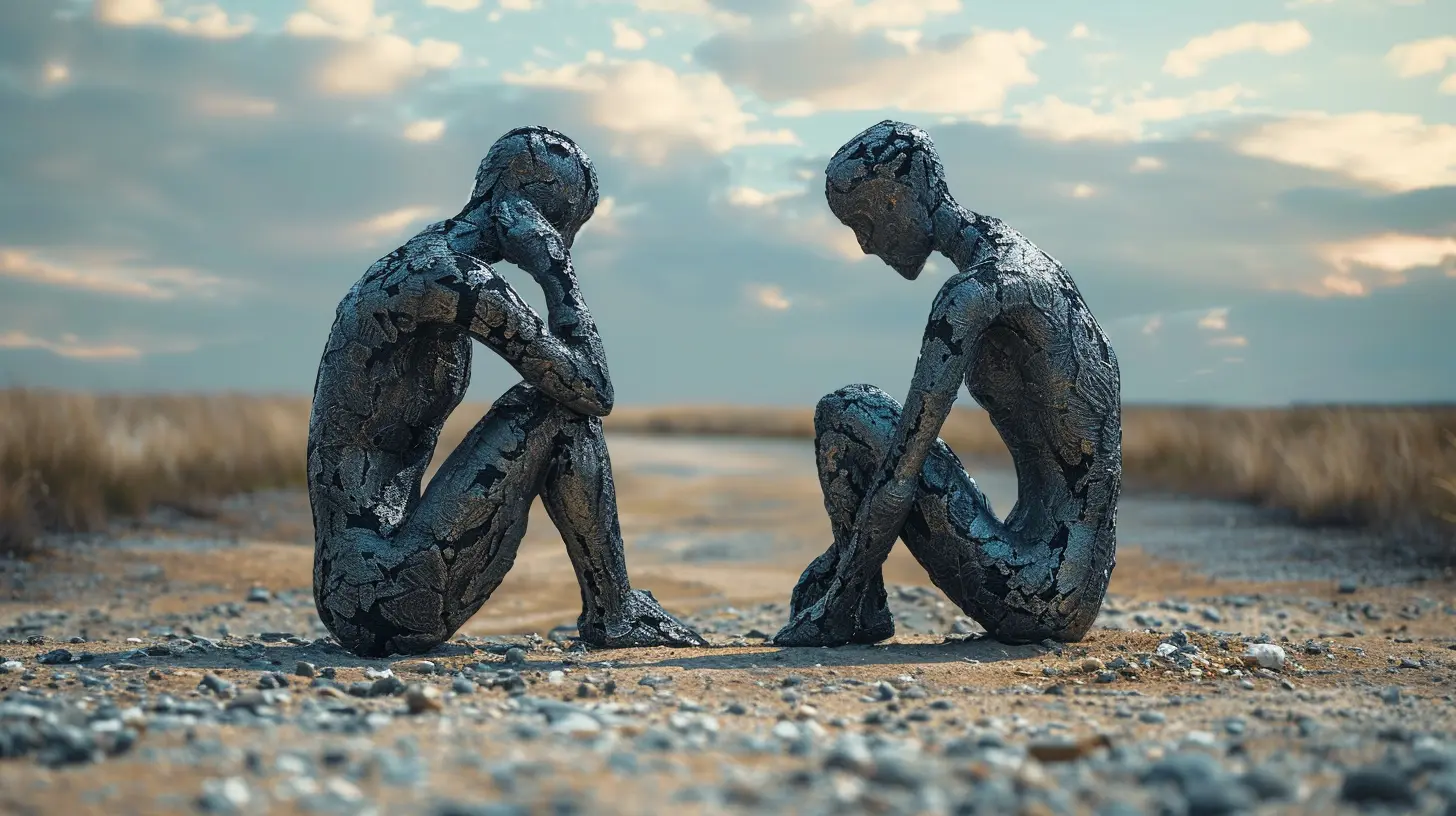
The Road from Emotional Dependency to Over-Attachment
So, how does a little emotional dependency balloon into full-blown over-attachment? Let’s break it down.1. You Start Basing Your Identity on Them
Think about it: when someone becomes your emotional "everything," you start changing yourself to fit their mold. You like what they like, you say what they want to hear, and you slowly lose sight of who you are outside the relationship.You become “their person”—but not in the cute rom-com way—in the “I don’t recognize myself anymore” way.
2. You Fear Losing Them… Constantly
Over-attachment is like always looking over your shoulder, terrified they’re going to leave. You might become overly accommodating, avoid conflict like the plague, or ignore red flags just to keep them around.It’s like walking on eggshells in your own heart.
3. You Cling to Every Moment of Affection
When you're emotionally dependent, affection can feel like a drug. You crave it. You wait for it. And when you finally get a taste, you want more—right now. But when they pull back even a little? Total meltdown.You’re not being dramatic. Your nervous system is genuinely in overdrive, trying to interpret what their every move means.
4. Their Absence Feels Like Withdrawal
Ever been away from someone you’re over-attached to and felt like the world just stopped spinning? That’s emotional dependency turning into withdrawal. It’s not so different from what addicts feel. You miss them not just emotionally—but physically, mentally, spiritually.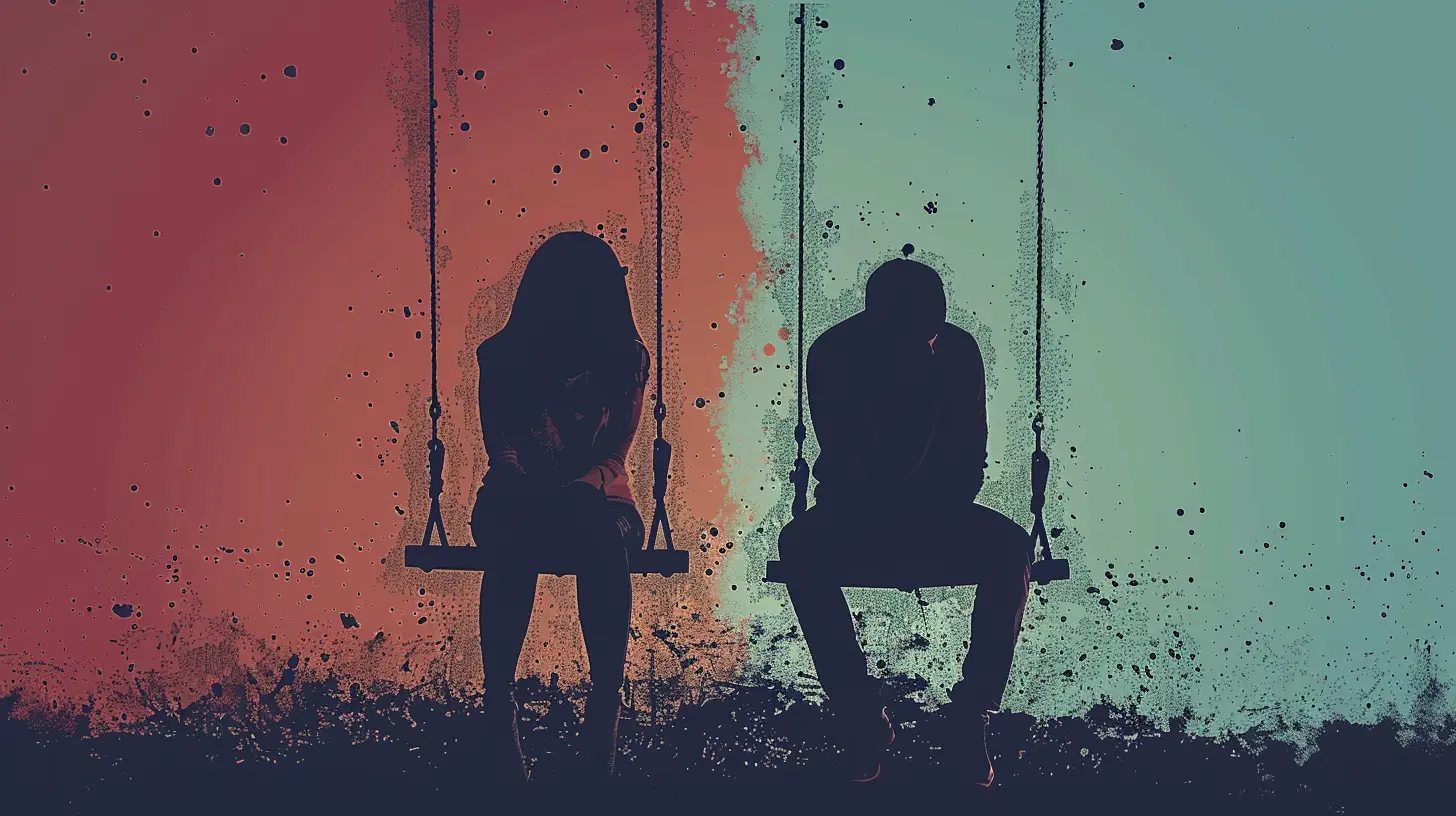
Why Do We Become Emotionally Dependent?
We don’t just wake up one day and decide, “You know what? I’m going to depend on this person for every ounce of emotional stability.” Nope—it usually goes way deeper than that.1. Childhood Patterns
Ever heard the phrase “attachment styles”? A lot of our emotional habits trace back to childhood. If your early caregivers were inconsistent, emotionally unavailable, or overly controlling, you might have learned to cling out of fear or seek constant approval.2. Low Self-Esteem
When you don’t feel good about yourself, it’s easy to latch onto someone who makes you feel like you matter. The problem? You start depending on them to feel “enough.”3. Fear of Abandonment
This fear is powerful. Sometimes we hold onto people tighter than we should—not because we love them deeply, but because we're terrified of being alone.4. Lack of Healthy Boundaries
Boundaries are like the fences around your emotional garden. Without them, people can trample through your space, and you might not even notice until the flowers are gone. Emotional dependency thrives in a boundary-less zone.The Ugly Side of Over-Attachment
Here’s the catch: over-attachment often leads to behaviors that push people away—the exact opposite of what you want.Clinginess
Texting 13 times in a row. Over-apologizing. Needing constant reassurance. All of these can start to feel smothering—even if your intentions are good.Jealousy and Control
When you rely on someone for emotional safety, any perceived threat (like them liking someone else's photo) can send you into a spiral. You might act out, try to control them, or monitor their every move.Resentment
Here's the irony: the more you give up for someone, the more you start to secretly resent them. It's exhausting pouring all of yourself into someone and never feeling truly secure.How to Break Free from Emotional Dependency
Okay, so now that we’ve diagnosed the situation, let’s talk solutions. You’re not doomed to be dependent forever. Healing is totally possible—one baby step at a time.1. Reconnect with Yourself
Sounds cheesy, right? But seriously—take a minute and ask, “Who am I outside of this person?” What are your hobbies? Your values? Your dreams?Spend time doing things that light you up. Get back to your own vibe.
2. Set (and Respect) Boundaries
This is a game-changer. Learn to say no. Take space when you need it. Don’t answer texts immediately every time unless you genuinely want to.Boundaries aren’t about pushing people away—they’re about protecting your peace.
3. Build Emotional Independence
Start managing your own emotions without always leaning on someone else. Journaling, breathwork, therapy, and even talking to a trusted friend can help you process feelings on your own terms.4. Cultivate Other Relationships
Don’t put all your emotional eggs in one basket. Build a village. Connect with friends, family, even colleagues. The more support systems you have, the less pressure you put on one person.5. Work with a Therapist
Sometimes emotional dependency is tied to deep-seated wounds. A good therapist can be the lighthouse guiding you out of the storm. There’s no shame in needing help. In fact, it’s one of the strongest moves you can make.Final Thoughts: It’s All About Balance
Emotional connections are beautiful and necessary. But when dependency overshadows your ability to function on your own, that connection turns toxic—fast.Over-attachment isn’t about love. It’s about fear—fear of being alone, of not being enough, of not being loved back. But here's the truth: you already are enough. You don't need to disappear into someone else to be worthy of love.
Healthy love is like two trees growing side by side—not tangled, not co-dependent, but rooted, grounded, and strong on their own.
So, if you’ve been getting a little too attached, take a breath. Start small. Reclaim your sense of self, one moment at a time. You've totally got this.
all images in this post were generated using AI tools
Category:
Emotional DependencyAuthor:

Gloria McVicar
Discussion
rate this article
1 comments
Sylph Rivera
Recognizing emotional dependency is the first step toward healthier relationships. By fostering self-awareness and independence, we can break the cycle of over-attachment. Embrace your journey to personal growth and discover the freedom that comes with self-love and resilience.
June 15, 2026 at 4:37 AM