Grit vs. Resilience: Understanding the Difference and Why It Matters
14 February 2026
When life throws curveballs at you, how do you respond? Do you push through with unwavering determination, or do you adapt and bounce back, ready to face another day? These two characteristics—grit and resilience—are often used interchangeably, but they are actually quite different.
Understanding the distinction between grit and resilience can help you harness both to achieve your goals while maintaining emotional well-being. Whether you're chasing a dream, overcoming hardship, or simply trying to navigate everyday life, knowing when to be gritty and when to be resilient can make a world of difference.

What is Grit?
Grit is that unshakable persistence that keeps you moving forward despite obstacles, failures, or setbacks. It’s the inner fire that drives you to keep going, no matter how tough things get.Dr. Angela Duckworth, a psychologist and researcher, defines grit as "passion and perseverance for long-term goals." In other words, gritty people don’t give up easily. They are committed to their ambitions and willing to put in the hard work required to achieve success.
Characteristics of Grit
1. Passion for Long-Term Goals – People with grit focus on long-term achievements rather than short-term gratification. They don’t get easily distracted by temporary failures.2. Perseverance – They continue working toward their goals, even when progress is slow or setbacks occur.
3. Self-Discipline – Gritty individuals have strong self-control and push themselves to stay on track.
4. Resilience to Failure – Although resilience and grit are different, gritty people often have a form of resilience that allows them to learn from failure and keep going.
5. Growth Mindset – They believe that effort and hard work can lead to improvement and success, rather than seeing abilities as fixed traits.
Everyday Examples of Grit
- A student who studies tirelessly for years, despite setbacks, to earn their dream degree.- An athlete who trains relentlessly, even after losing multiple competitions.
- A writer who faces rejection after rejection but keeps submitting their work until they finally get published.
Grit is all about staying committed to a goal no matter how challenging the road may be. But is that always the best approach? This is where resilience comes into play.

What is Resilience?
Resilience, on the other hand, is the ability to recover from setbacks, adapt to change, and keep moving forward with a positive outlook. Instead of sheer determination, resilience is about flexibility and emotional strength.Psychologists define resilience as the ability to "bounce back" from adversity, trauma, or failure. Unlike grit, which is about pushing forward no matter what, resilience is about adjusting and learning from challenges without breaking.
Characteristics of Resilience
1. Emotional Regulation – Resilient individuals can manage their emotions, preventing stress or negativity from overwhelming them.2. Adaptability – They adjust to new circumstances, knowing that life doesn’t always go as planned.
3. Optimism – Resilient people maintain a hopeful mindset, even in tough times.
4. Problem-Solving Skills – Instead of feeling stuck, they look for solutions and alternative paths when things don’t work out.
5. Support-Seeking Behavior – Resilience isn’t about going it alone. Resilient individuals recognize when they need help and lean on others for support.
Everyday Examples of Resilience
- A person who loses their job and, instead of falling into despair, finds new opportunities and reinvents their career.- Someone who experiences heartbreak but remains open to love and relationships.
- A small business owner whose company fails, yet they start anew with a fresh approach.
Resilience allows people to endure hardship without becoming consumed by it. Instead of pushing forward at all costs like with grit, resilience is about adjusting to circumstances and thriving despite adversity.
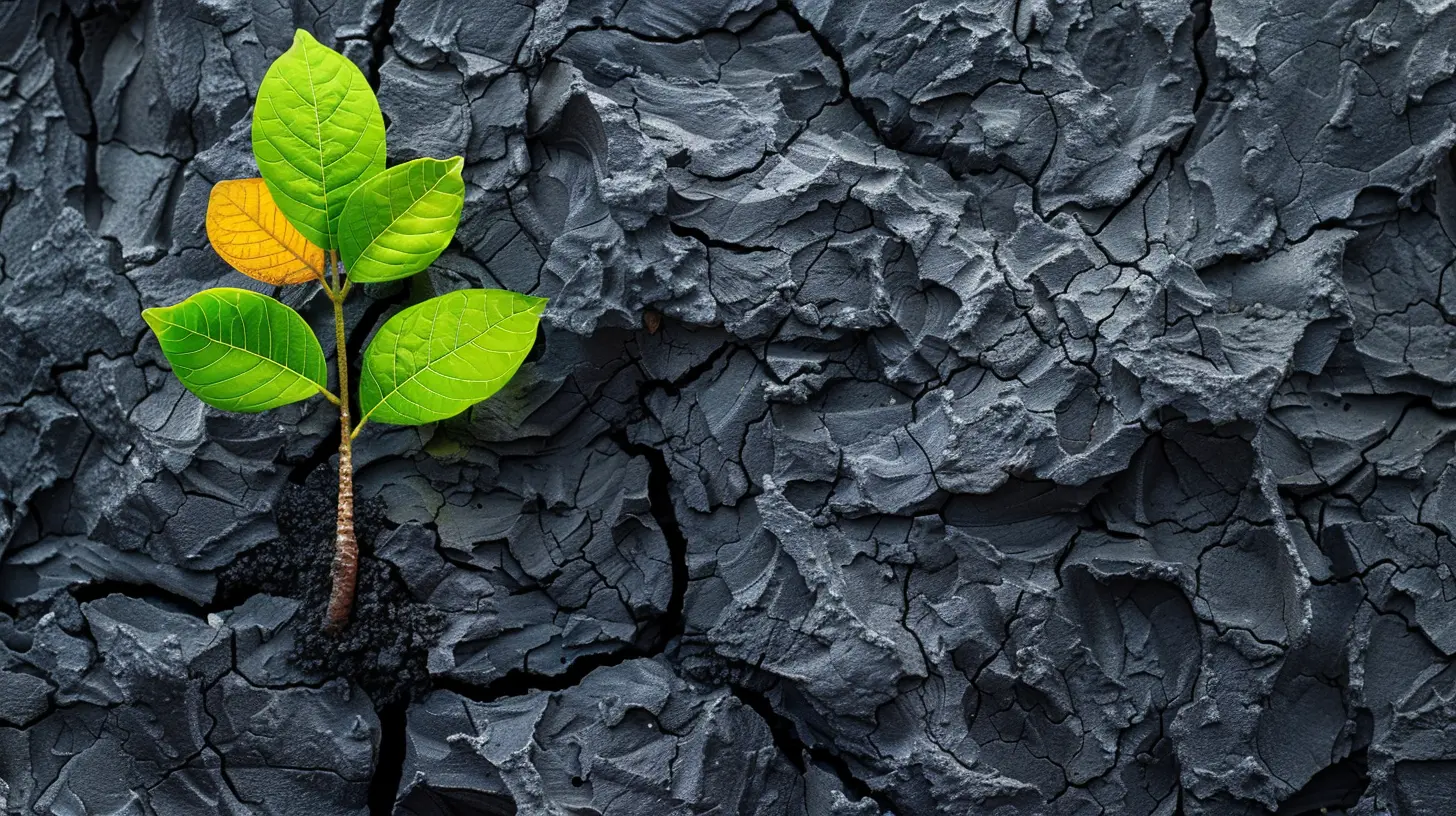
The Key Differences Between Grit and Resilience
| Aspect | Grit | Resilience ||----------------|--------------------------------|--------------------------------|
| Focus | Long-term commitment to goals | Ability to recover from setbacks |
| Approach | Push through obstacles | Adapt and adjust to challenges |
| Mindset | Persistence and determination | Emotional strength and flexibility |
| Response to Failure | Keeps going despite failure | Learns and adapts from failure |
| Energy | Relentless drive | Balanced endurance |
Simply put, grit is about enduring the storm, while resilience is about learning to dance in the rain.

Why Both Matter
Now that we understand the difference, you might be wondering—do I need grit or resilience? The truth is, you need both.Imagine life like a marathon. Grit will keep you pushing toward the finish line, but resilience will ensure you don’t burn out along the way. A person with only grit might stubbornly chase a goal even if it’s no longer serving them, while someone with only resilience might bounce back from setbacks but never fully commit to long-term ambitions.
Together, grit and resilience create a powerful mindset that helps you chase your dreams without losing yourself in the process.
How to Build Both Grit and Resilience
If you want to strengthen your mental toughness, here’s how you can cultivate both grit and resilience:Strengthening Your Grit
1. Find Your Passion – Grit is fueled by passion. Identify what truly excites and motivates you.2. Set Clear Goals – Define specific, long-term goals that align with your aspirations.
3. Develop Self-Discipline – Stay consistent even when you don’t feel motivated.
4. Learn from Failure – Instead of seeing failure as a reason to quit, use it as a stepping stone.
5. Stay Committed – Success takes time. Remind yourself why you started in the first place.
Strengthening Your Resilience
1. Practice Self-Care – Taking care of your physical and mental health makes it easier to handle challenges.2. Embrace Change – Life is unpredictable. Accepting change helps you adapt faster.
3. Build a Support System – Surround yourself with people who encourage and uplift you.
4. Develop Problem-Solving Skills – Instead of dwelling on setbacks, focus on finding solutions.
5. Stay Optimistic – Look for the silver lining in every situation, even when things seem bleak.
Final Thoughts
Understanding the difference between grit and resilience is crucial for personal growth and success. While grit gives you the determination to chase your dreams, resilience ensures you don’t lose yourself in the process.Finding the right balance between the two is key. Be gritty about your passions, but also be resilient enough to adapt when life takes unexpected turns. When you master both, there’s no setback too big and no goal too far out of reach.
all images in this post were generated using AI tools
Category:
Psychological ResilienceAuthor:

Gloria McVicar
Discussion
rate this article
2 comments
Tiffany Miller
Understanding the distinction between grit and resilience is crucial for personal growth. Embracing both traits empowers us to overcome challenges and achieve our goals with unwavering determination.
February 25, 2026 at 5:42 AM
Gloria McVicar
Thank you for highlighting this important distinction! Embracing both grit and resilience indeed equips us to navigate challenges and reach our goals effectively.
Laila Foster
This article beautifully clarifies the distinction between grit and resilience, illuminating their unique roles in personal growth. Understanding these concepts helps us better navigate challenges and set realistic expectations for ourselves. Embracing both traits can lead to more effective coping strategies and a deeper sense of fulfillment.
February 15, 2026 at 3:33 AM
Gloria McVicar
Thank you for your thoughtful comment! I'm glad you found the article helpful in clarifying the distinctions between grit and resilience. Embracing both traits truly can enhance our personal growth and coping strategies.