How Emotional Dependency Is Linked to Codependency
13 December 2025
Ever found yourself constantly needing reassurance from someone, feeling incomplete without their validation, or putting their happiness way above your own? If that sounds familiar, you’re not alone. These are classic signs of emotional dependency—and it often walks hand in hand with something deeper and more complex: codependency.
In this post, we’re going to peel back the layers of emotional dependency and how it blends into codependency. We’ll unpack the psychology behind it, share relatable scenarios, and point out some red flags that are easy to miss. So, grab your coffee, settle in, and let’s have a heartfelt chat about something that affects way more people than you think.
What Is Emotional Dependency?
Let’s start with the basics. Emotional dependency is when your emotional well-being depends heavily—sometimes solely—on someone else. You lean on them not just for comfort or support (which is totally normal), but for your core sense of worth and security.It’s Like Building a House on Someone Else’s Land
Imagine your emotional world is a house. When you're emotionally dependent, it’s like you’ve built that house on someone else’s land. Their mood or approval becomes the ground your happiness stands on. If they leave or change the terms, you’re left shaken—or worse, crumbling.Some Common Signs of Emotional Dependency:
- Feeling anxious when the person doesn't respond quickly- Seeking constant validation
- Avoiding conflict to "keep the peace"
- Panicking at the thought of separation
- Losing your sense of self or interests in the relationship
Sound familiar? Don’t worry—we’re not here to judge. Many people fall into this pattern without even realizing it.
What Exactly Is Codependency?
Now, let’s talk about codependency. It’s a behavioral pattern that’s deeply intertwined with emotional dependency but takes it a step further. It typically shows up in relationships where one person enables another's poor mental health, irresponsibility, addiction, or immaturity—often at the expense of their own needs.Think of It Like a See-Saw That’s Always Off-Balance
In a healthy relationship, there’s a give-and-take. But in codependent relationships, it’s more of a give-and-give. One person often becomes the "giver" or "fixer," and the other the "taker." The giver’s self-worth starts hinging entirely on being needed or being the emotional crutch.
How Emotional Dependency Paves the Way for Codependency
So, how are these two tangled together?A person who’s emotionally dependent is more likely to fall into codependent patterns. Why? Because when your emotional stability lies in someone else’s hands, you’re more willing to compromise your boundaries, tolerate toxic behavior, or put their needs way above your own.
Let’s break this down.
1. Your Happiness Is at the Mercy of Someone Else
When someone is emotionally dependent, their emotional highs and lows usually match the other person’s. This leads them to do whatever it takes to control or "manage" that person’s mood—just to feel okay themselves. That’s where codependency kicks in.- You may overextend yourself to keep them happy.
- You may avoid expressing your own needs.
- You might tolerate unhealthy behavior just to avoid abandonment.
2. You Start Playing the "Fixer" Role
Emotionally dependent people often believe that if they can just fix or please their partner, then everything will be okay. In codependent relationships, this shows up as enabling behavior—covering up for someone's mistakes, making excuses for them, or endlessly rescuing them.But here’s the catch—you can’t fix someone else’s emotional pain or dysfunction, no matter how hard you try.
3. Boundaries? What Boundaries?
Healthy boundaries are about knowing where you end and the other person begins. When you’re emotionally dependent, boundaries can feel threatening. You might fear that saying “no” or asserting yourself will push the other person away.So you start saying "yes" when you want to say "no," brushing things under the rug, or neglecting your own needs. Over time, this solidifies the codependent dynamic.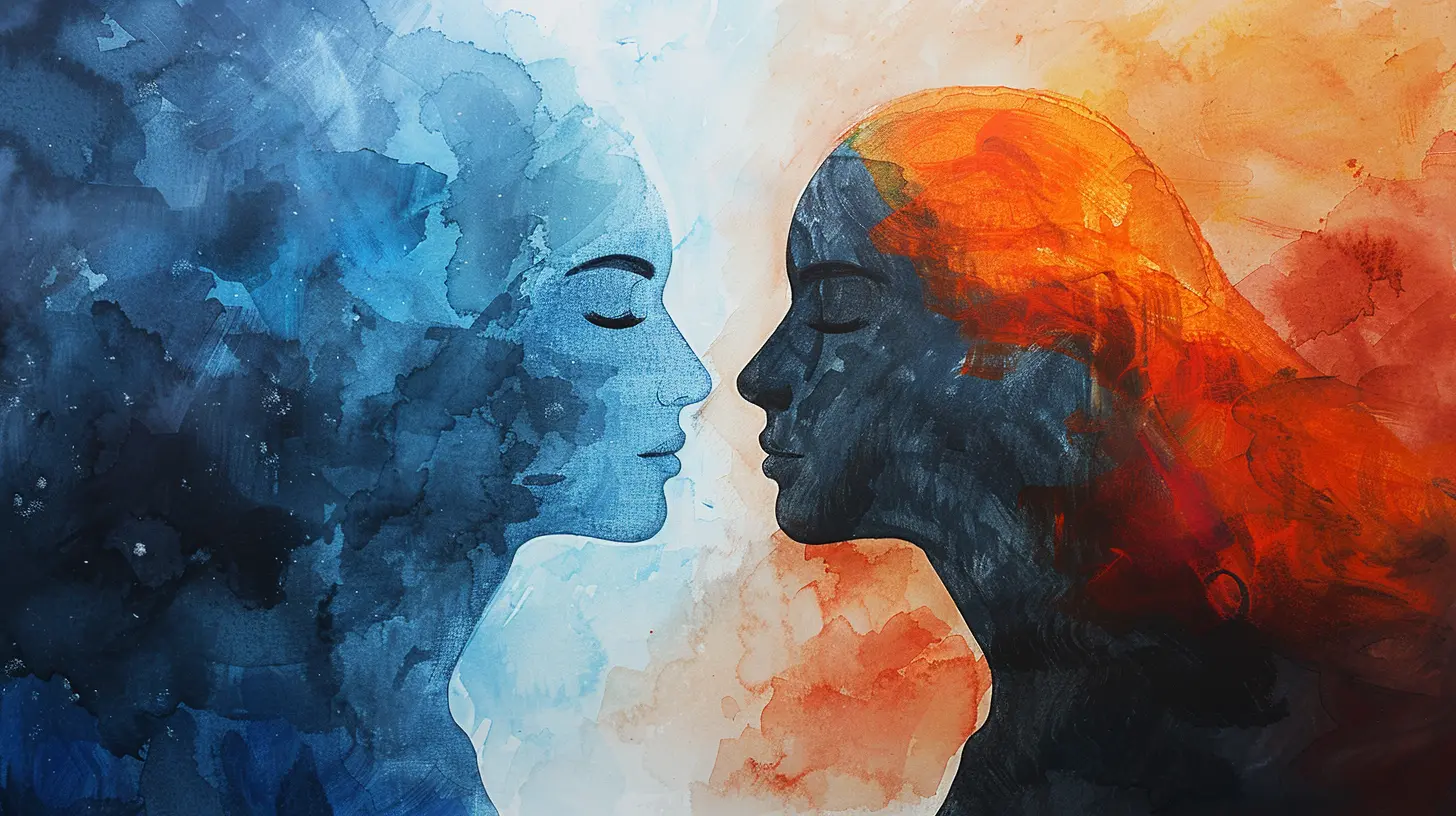
Where Does Emotional Dependency Come From?
Great question—because understanding the root is half the battle.Childhood Experiences
Many patterns of emotional dependency start in childhood. If you grew up in a home where love was conditional, inconsistent, or absent, you might’ve learned that you had to earn love or constantly seek approval just to feel secure. That blueprint often follows us into adult relationships.Low Self-Esteem
When your self-worth is shaky, it’s easy to rely on others to feel good about yourself. Emotional dependence becomes a coping mechanism—a way to fill the internal void.Fear of Abandonment
This is a big one. If you have a deep fear of being left, you might cling to people, tolerate poor treatment, or over-give just to keep someone around.These fears—whether conscious or not—can quietly shape our relationship choices and patterns.
Emotional Dependency Vs. Healthy Interdependence
Before we go any further, let’s be clear: needing people isn’t the problem.Human beings are wired for connection. But there’s a massive difference between emotional dependency and healthy interdependence.
Emotional Dependency Says:
“I need you to complete me.”Healthy Interdependence Says:
“I'm whole on my own, and I choose to share my life with you.”In interdependent relationships, both people maintain their sense of identity while supporting one another. There’s mutual respect, open communication, and emotional support—without sacrificing individuality or self-respect.
Real-Life Examples: When Emotional Dependency Turns Into Codependency
Let’s bring this down to earth with a few scenarios you might relate to.Example 1: Sarah and Jake
Sarah feels uneasy whenever Jake doesn't reply to her texts right away. She checks her phone constantly and overthinks their conversations. To keep Jake happy, she suppresses her opinions and goes along with whatever he wants—even if it makes her uncomfortable. If Jake seems distant, Sarah becomes more clingy.This is emotional dependency sliding into codependent behavior.
Example 2: Alex and Taylor
Alex's partner, Taylor, struggles with alcohol. Alex spends a lot of time covering for Taylor's mistakes, calling in sick for them, cleaning up their messes—literally and figuratively. Alex believes if they just love Taylor enough, they'll change. Meanwhile, Alex is emotionally drained, isolated from friends, and losing touch with their own needs.This is codependency powered by emotional dependency.
Why Breaking the Cycle Matters
Let’s be honest—emotional dependency and codependency can feel like emotional quicksand. The more you struggle, the deeper you get. But here’s the hope: recognizing the pattern is the first step toward changing it.And let me tell you, healing is absolutely possible. But it starts with you.
Steps to Heal Emotional Dependency and Codependency
Ready to shift gears? Here are some steps to start creating healthier emotional habits:1. Build Self-Awareness
Start noticing your patterns—without beating yourself up. Journaling, therapy, or even just reflecting after each emotional experience can help you see where your needs may be imbalanced.Ask yourself:
- Am I seeking validation externally?
- Do I feel anxious when I’m alone?
- Do I ignore my needs to keep others happy?
2. Strengthen Your Self-Worth
Your value isn’t determined by how much someone else needs you. Building self-esteem (through affirmations, self-care, setting goals, and accepting imperfections) can help you become emotionally self-sufficient.3. Learn and Practice Boundaries
Healthy relationships require healthy boundaries. Practice saying no, voicing your needs, and respecting the boundaries of others—even if it feels uncomfortable at first.Remember, boundaries don’t push people away; they show you care enough to protect the relationship.
4. Embrace Being Alone
Spending time alone can be healing. It teaches you to enjoy your own company and fulfill your emotional needs without relying solely on others.5. Seek Support
Breaking free from these patterns isn't easy—and you don’t have to do it alone. Therapists (especially those skilled in attachment theory or relationship coaching) can offer the tools and insights you need.Final Thoughts
Emotional dependency and codependency are deeply connected—and they're often rooted in early experiences and unchecked fears. But here’s the good news: you’re not stuck. You can learn to meet your own emotional needs, set healthy boundaries, and build relationships based on genuine connection—not desperation.It’s not about cutting off your emotions or relationships. It’s about learning to stand strong on your own emotional feet—so you're walking beside others, not clinging to them.
Because at the end of the day, the most lasting love story you’ll ever have is the one you have with yourself.
all images in this post were generated using AI tools
Category:
Emotional DependencyAuthor:

Gloria McVicar
Discussion
rate this article
2 comments
Sydney Alvarez
This article sheds light on the intricate relationship between emotional dependency and codependency. It’s a crucial reminder of how our emotional attachments can shape our behaviors and relationships, prompting us to reflect on our own patterns of dependency. Insightful read!
December 16, 2025 at 3:48 PM
Gloria McVicar
Thank you for your thoughtful comment! I’m glad you found the article insightful and relevant to understanding these important dynamics in relationships.
Lily Wilcox
Great insights! Understanding this helps foster healthier relationships.
December 14, 2025 at 3:32 AM
Gloria McVicar
Thank you! I'm glad you found the insights helpful for building healthier relationships.