Emotional Dependency: How to Stop Relying on Others for Your Happiness
3 August 2026
Imagine this—you've had a rough day, and all you can think about is calling that one friend, partner, or family member to help you feel better. While it’s perfectly normal to seek support from loved ones, there’s a fine line between healthy interaction and emotional dependency. Emotional dependency can sneak up on you, becoming a habit that leaves you feeling empty when others aren’t around. The good news? You have the power to break free and learn how to find happiness within yourself.
In this article, we’ll dive into what emotional dependency is, why it happens, and most importantly, how to stop relying on others for your happiness. Let’s get started.

What Is Emotional Dependency?
Before we explore how to overcome it, let's first understand what emotional dependency actually is. Emotional dependency occurs when your sense of well-being, self-worth, and happiness are overly reliant on another person. You might feel anxious or insecure when that person isn’t around, or you might need their constant validation to feel good about yourself.Think of it like this: Imagine you’re a balloon, and your happiness is the air inside. If you rely on others to keep you inflated, what happens when they’re not around? You deflate. Emotional dependency is like handing someone else control over your air pump—your happiness. And while it's okay to lean on others at times, the goal is to become your own air pump. You want to fill your own balloon.
Signs of Emotional Dependency
Not sure if you're emotionally dependent? Here are some common signs:- You constantly seek validation from others.
- You feel anxious or lost when you're alone.
- Your mood is highly influenced by others' thoughts or actions.
- You find yourself sacrificing your own needs to keep others happy.
- You struggle to make decisions without consulting someone else.
It’s important to note that emotional dependency isn’t the same as love or attachment. While it’s natural to care for others and feel connected, emotional dependency involves an unhealthy imbalance where your emotional well-being is tied too closely to someone else.

Why Do We Become Emotionally Dependent?
You’re not alone if you find yourself emotionally dependent. This behavior often stems from deeper psychological factors, many of which can be traced back to childhood or past experiences. Understanding why you rely on others for happiness is the first step toward breaking free.Fear of Abandonment
One major cause of emotional dependency is a deep-rooted fear of abandonment. If you’ve experienced loss, rejection, or emotional neglect in the past, you might cling to others for fear they’ll leave you. This fear can lead to over-dependence, where you constantly seek reassurance that someone will stay by your side.Lack of Self-Worth
When you don’t feel confident in yourself, it’s easy to look for validation from others. You might think, “If they like me, I must be worthy.” But relying on external validation is a slippery slope. In the end, no one else can truly define your worth except for you.Low Emotional Awareness
Sometimes, we become emotionally dependent because we’re not fully in tune with our own emotions. If you struggle to identify or regulate your feelings, you might lean on others to help you navigate tough emotions. This is especially common if you grew up in an environment where emotions weren’t openly discussed or addressed.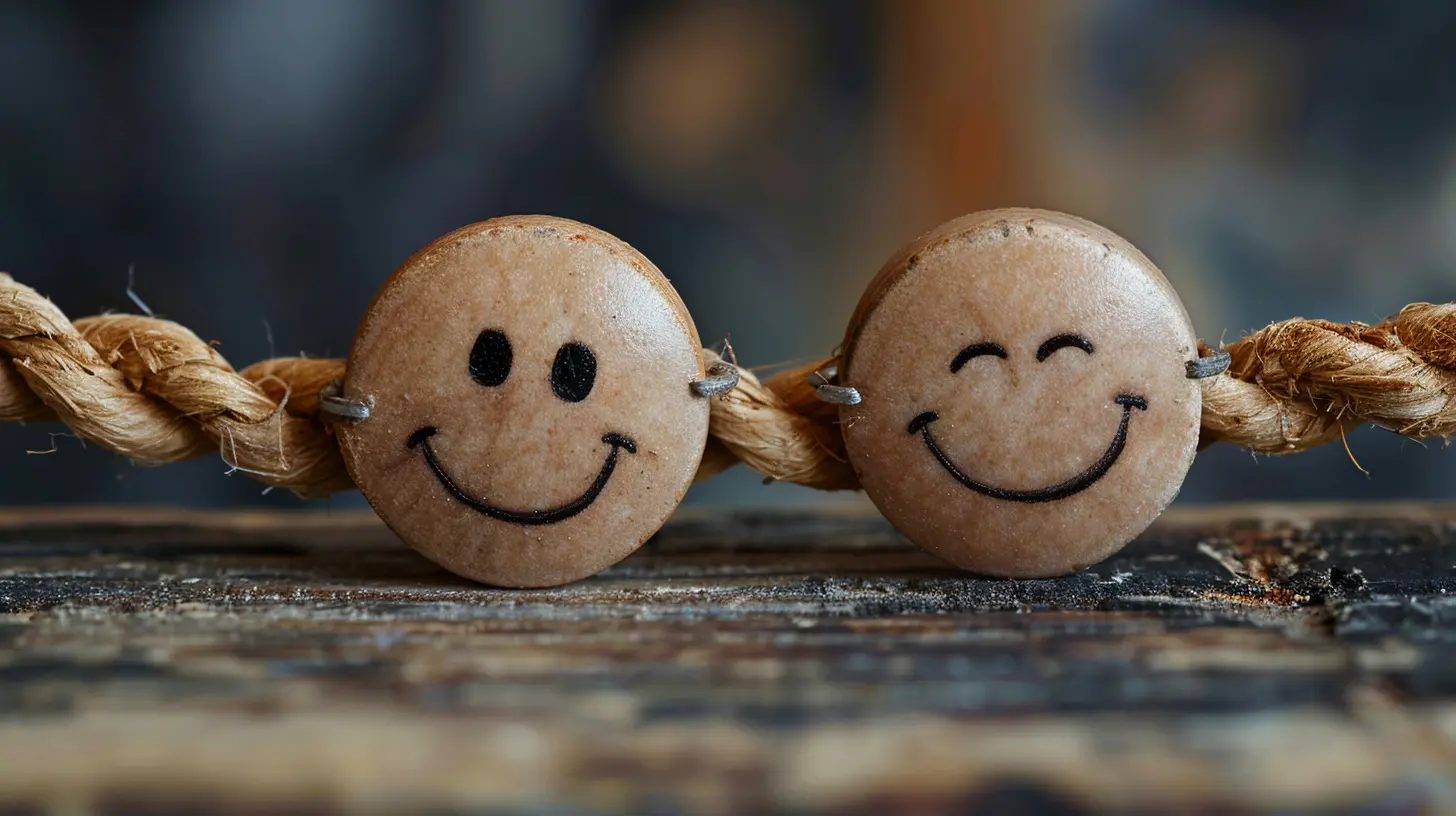
How to Stop Relying on Others for Your Happiness
Now that we’ve covered some of the reasons behind emotional dependency, let’s talk about how to break free from it. While change doesn’t happen overnight, with patience and effort, you can learn to find happiness within yourself.1. Build Self-Awareness
The first step in overcoming emotional dependency is gaining self-awareness. You need to recognize when you're relying on others for your happiness. Ask yourself:- Am I seeking external validation right now?
- How do I feel when I’m alone?
- Do I depend on someone else to lift my mood?
Journaling can be an incredible tool here. Write down your thoughts and emotions, especially when you’re feeling anxious or insecure. Over time, this will help you identify patterns that contribute to emotional dependency.
2. Cultivate Self-Love
Self-love is a game-changer when it comes to emotional independence. When you truly love and accept yourself, you won’t feel the need to seek constant validation from others. Start by practicing self-compassion. Treat yourself with kindness, especially when you make mistakes.One great way to build self-love is through affirmations. Try saying things like:
- “I am enough just as I am.”
- “My worth is not dependent on others’ opinions.”
- “I am responsible for my own happiness.”
It might feel cheesy at first, but over time, these positive affirmations can help rewire your brain to focus on self-worth.
3. Set Healthy Boundaries
Learning to set boundaries is crucial if you want to stop relying on others for your happiness. When you don’t have boundaries, you’re more likely to lose yourself in relationships and prioritize others' needs over your own. To set boundaries, you need to know your limits and communicate them clearly.For example, if you feel drained after spending too much time with someone, it’s okay to say, “I need some alone time to recharge.” Boundaries are not about shutting people out; they’re about protecting your emotional well-being.
4. Develop Emotional Resilience
Emotional resilience is the ability to cope with stress and adversity in a healthy way. When you build emotional resilience, you become less dependent on others to regulate your emotions. Instead of turning to someone else when you're upset, you’ll have the tools to manage your feelings on your own.To build emotional resilience:
- Practice mindfulness or meditation to stay present.
- Engage in physical activity to release tension.
- Learn to sit with uncomfortable emotions rather than suppressing them.
5. Pursue Your Own Interests
When your happiness is tied up with someone else’s, you might start to lose sight of your own passions and interests. To combat emotional dependency, invest time in activities that bring you joy—whether it’s painting, hiking, reading, or anything else that lights you up.By pursuing your own interests, you’ll not only build a sense of independence, but you’ll also create a more fulfilling life for yourself. And the best part? You’re doing it on your own terms.
6. Surround Yourself with Positive People
While the goal is to reduce your reliance on others for happiness, that doesn’t mean you should isolate yourself. In fact, having a supportive social circle can help you build confidence and emotional resilience. Surround yourself with people who encourage your growth and independence rather than feeding into your dependency.However, be mindful not to lean too heavily on any one person. Variety in your relationships is key. Spend time with different friends, family members, or even coworkers, so you don’t become overly attached to any one person.
7. Seek Professional Help
If emotional dependency is deeply ingrained in your behavior, consider seeking help from a therapist or counselor. A professional can help you explore the root causes of your dependency and offer strategies specifically tailored to your situation. Therapy can be an invaluable tool for gaining insight and making lasting changes.
The Benefits of Emotional Independence
Once you begin to break free from emotional dependency, you’ll notice a number of positive changes in your life. Emotional independence offers:- Greater Confidence: You’ll trust yourself more and rely less on others for validation.
- Improved Relationships: Healthy relationships flourish when both people are emotionally independent.
- Inner Peace: You’ll feel less anxious and more secure in yourself, even when you're alone.
- Resilience: You’ll be better equipped to handle life’s challenges without falling apart.
Conclusion: You Hold the Key to Your Own Happiness
Breaking free from emotional dependency isn’t easy, but it’s one of the most empowering things you can do for yourself. Remember, happiness is an inside job. No one else can fill the void or make you happy in the long run—it has to come from within.By building self-love, practicing emotional resilience, and pursuing your own passions, you’ll begin to take control of your own happiness. Sure, it’s great to have support from others, but at the end of the day, you hold the key to your own emotional well-being.
So, next time you feel tempted to rely on someone else to boost your mood, take a step back and ask yourself: What can I do for myself right now?
You’re stronger, more capable, and more worthy than you may realize. And once you embrace your independence, you’ll find that happiness—true, lasting happiness—comes from within.
all images in this post were generated using AI tools
Category:
Emotional DependencyAuthor:

Gloria McVicar