Dealing with Burnout: Recognizing Symptoms and Taking Action
21 May 2026
We’ve all had those days where we feel like we’re running on fumes, counting the hours until bedtime, and wondering how much longer we can keep up the pace. But when that feeling becomes your new normal, you might be facing something bigger than just a rough week — you could be dealing with burnout.
Burnout is more than just being tired. It’s a full-body, full-mind shutdown that can sneak up on you like a slow-moving fog. One minute you’re hustling, juggling deadlines, and staying on top of your game — and the next, even brushing your teeth feels like climbing Everest in flip-flops.
In this article, we’re going to break down what burnout really is, the red flags you shouldn’t ignore, and most importantly, what you can do to crawl out of the burnout hole and back into a balanced life.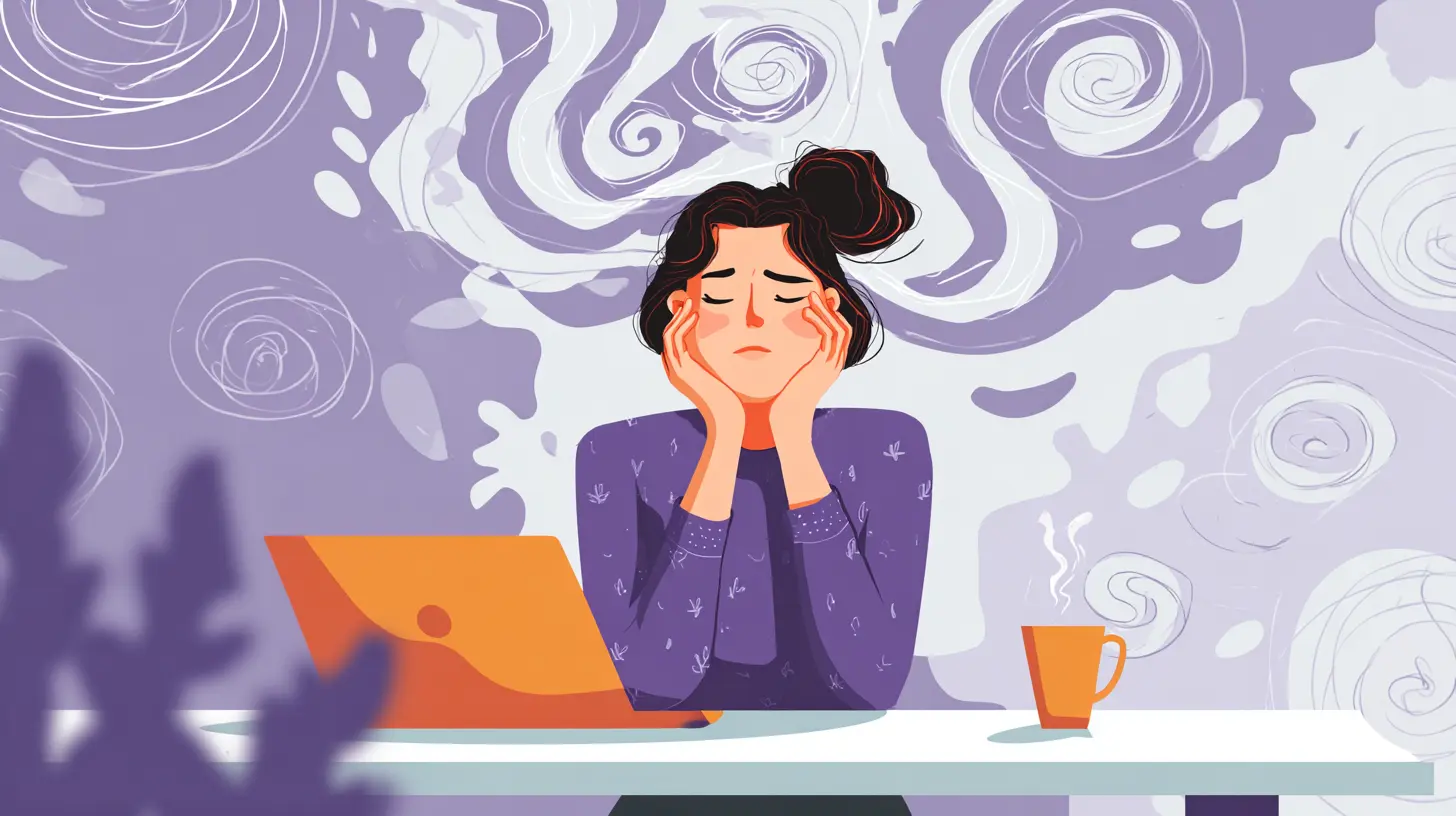
What Exactly Is Burnout Anyway?
Burnout isn’t just a buzzword or some fancy term thrown around by self-help influencers. It’s a legitimate psychological state caused by chronic stress — especially related to work, caregiving, or overwhelming responsibilities.The World Health Organization (WHO) defines burnout as a “syndrome resulting from chronic workplace stress that has not been successfully managed.” Yep, it’s serious business.
But here’s the kicker — burnout doesn’t only hit you at work. You can face burnout from parenting, school, caregiving, relationships, or even just the pressure to keep your life Pinterest-perfect.
Think of it like this: If your body were a smartphone, burnout is what happens when your battery hits 1% and you’ve lost your charger.
The Silent Symptoms: How Burnout Sneaks Into Your Life
Burnout doesn’t show up with a neon sign. It creeps in — slowly, stealthily — like a leaky faucet that eventually floods your entire kitchen. So, what are the symptoms you should watch out for?1. Emotional Exhaustion
You’re not just tired — you’re bone-deep, emotionally drained. Feeling numb, irritable, or like you’ve got nothing left to give? That’s emotional exhaustion talking.2. Cynicism and Detachment
You start hating the things you used to love. Your job, your hobbies, even spending time with friends begins to feel like a chore. You might find yourself thinking, “What’s the point?”3. Reduced Performance
Your productivity nosedives. Projects take twice as long, mistakes increase, and your usual sharp thinking feels foggy. Burnout affects your ability to function — mentally and physically.4. Physical Symptoms
Headaches, stomach issues, insomnia, frequent colds — your body starts waving red flags when your mind’s too tired to notice.5. Feeling Ineffective or Useless
You might feel like nothing you do matters. This sense of defeat or feeling like you're never enough is a heavy weight that burnout lays on your shoulders.Recognize any of these in your life? Then it’s time to take this seriously.
The Burnout Iceberg: What Lies Beneath
Let’s imagine burnout as an iceberg — the part you see (tiredness, irritability, foggy thinking) is just the tip. But underneath the surface? That’s where the deeper issues lie.Chronic perfectionism, poor boundaries, lack of self-care, over-commitment, unresolved trauma, or unhealthy work cultures — these all contribute to the massive chunk of burnout lurking beneath.
Ignoring those deeper layers is like patching a leaky boat with duct tape. It might hold for a while, but eventually, you’ll sink.
Don’t Gaslight Yourself
One common trap we fall into when we’re burned out? We try to convince ourselves we’re just being lazy or overly sensitive.But burnout isn’t about weakness. It’s your brain’s way of saying, “I’m maxed out — help!” Don’t downplay or dismiss it. The sooner you acknowledge it, the sooner you can start healing.
So, What Can You Do? Here’s How to Fight Back
Let’s get real — there’s no magical “reset” button for burnout. But there are ways to dig yourself out and keep from sliding back in. Think of it as emotional CPR.1. Name It to Tame It
The first step is acknowledging that you're burned out. Labeling the feelings gives you clarity and helps you start thinking about solutions instead of just surviving.2. Start With the Basics
Before you sign up for a retreat in Bali or start binge-buying self-help books, look at the basic building blocks of health:- Are you sleeping enough?
- Are you eating nutritious meals?
- Are you moving your body at all?
- Are you drinking water instead of caffeine and sugar all day?
Yes, it sounds simple — but when you’re burned out, even these can fall apart.
3. Set Boundaries Like a Boss
If your to-do list runs your life, it’s time to take the steering wheel back. Say “no” more often. Protect your time like it's your last slice of pizza. Draw clear lines between work and downtime — and stick to them.4. Take Real Breaks (Not Just Scrolling Instagram)
Give your brain a breather. A five-minute walk, a quick stretch, or even just sitting quietly can help reset your nervous system. And no, doom-scrolling doesn’t count — that's just mental junk food.5. Talk to Someone
Whether it’s a friend, a therapist, or a coach — don’t go it alone. Talking things out can offer new perspectives, lighten your emotional load, and remind you that you’re not crazy (even if it feels like it some days).6. Revisit What Brings You Joy
Burnout can strip your life of color. So ask yourself: What used to make you feel alive? Dancing? Painting? Gardening? Binge-watching ‘90s sitcoms? Reclaim small pleasures, one step at a time.7. Reframe Your Thinking
Burnout doesn’t mean you’re failing — it means your current system isn’t working. That’s a huge mindset shift. Instead of beating yourself up, try asking: “What needs to change?”Workplace Burnout: The Elephant in the Zoom Room
Let’s not sugarcoat it — a toxic work environment can fast-track you to burnout faster than you can say, “Reply All.”What Makes a Job Burnout-Inducing?
- Unrealistic expectations- No recognition or appreciation
- Poor communication
- Lack of control over your schedule or tasks
- Constant overtime or lack of rest days
If this sounds like your job, it might be time to have some hard conversations with your boss — or honestly, consider whether staying is worth your peace of mind.
Your Job Shouldn’t Cost You Your Health
You weren’t put on this earth just to meet deadlines and attend meetings. If your job is draining you dry, your mental health has to come first. Period.What If You Can’t Just Quit?
Not everyone can drop everything and take a sabbatical. But even within limitations, you can reclaim some control:- Block off “do not disturb” time during your workday
- Use vacation days or take short personal days to recharge
- Find a supportive coworker or mentor to vent to and strategize with
You don’t need to overhaul your life overnight. Micro-changes add up.
Preventing Burnout: Don’t Wait Until You Crash
Crisis shouldn’t be the cue for change. It’s way easier to build in protective habits than to recover from a total breakdown.Try These Burnout-Proofing Practices:
- Regular check-ins with yourself: Ask, “How am I really doing?”- Keep a gratitude journal: Simple, but it rewires your brain to focus on positives.
- Unplug often: Tech detoxes help calm your overstimulated nervous system.
- Connect with others: Social support is a key buffer against burnout.
- Get creative: Expressing yourself through art, writing, music, or making things can be deeply healing.
Give Yourself Permission to Rest
Rest isn’t earned. It’s necessary. You don’t need to be falling apart to take a break. You don’t have to apologize for needing one, either.Remember — you’re not a robot. You’re a freaking human being with limits, feelings, and needs.
When to Get Professional Help
If burnout has you feeling constantly hopeless, struggling to function, or dealing with intense mental or physical symptoms, it might be time to talk to a mental health professional.Therapy isn’t just for breakdowns — it’s for breakthroughs.
Final Thoughts: You Deserve Better Than Burnout
Burnout doesn’t mean you’re weak — it means the system you’re operating in is unsustainable. It’s your internal alarm saying, "This isn’t working anymore."So don’t ignore the signs. Don’t try to tough it out. Your well-being matters way more than any deadline or perfectly color-coded calendar.
Take a deep breath. Take a step back. And take action — even if it’s just a baby step. Because you, my friend, are too important to burn out.
all images in this post were generated using AI tools
Category:
Mental WellnessAuthor:

Gloria McVicar
Discussion
rate this article
1 comments
Isabelle Abbott
You can overcome burnout-take one step forward!
June 1, 2026 at 5:04 PM
Gloria McVicar
Thanks for your encouragement! Taking steps, no matter how small, can really make a difference.