Advocating for Mental Health in Prisons and the Justice System
19 May 2026
Let’s get real for a second—prisons aren’t exactly known for being warm, fuzzy places. When most people think about incarceration, images of cement walls, barbed wire fences, and tough-as-nails inmates come to mind. But there’s another side to this system that we don’t talk about nearly enough: mental health.
Yeah, it’s a big deal. And if you've never thought about it before, you’re not alone. Mental health in the justice system kind of lives in the shadows, but that’s precisely why we need to shine a light on it. Grab a snack, pull up a chair, and let’s dive into why advocating for mental health in prisons and the justice system is long overdue—and why it matters more than most folks realize.
Why Mental Health in Prisons Deserves Our Attention
Imagine getting a paper cut and not being allowed to use a Band-Aid. Now apply that same logic to someone struggling with serious mental health issues while locked up. Sounds cruel, right? That’s the reality for thousands of inmates.According to stats (and don’t worry, we won’t throw too many at you), more than half of all prison and jail inmates in the U.S. have some kind of mental health condition. Depression, PTSD, schizophrenia, bipolar disorder—you name it. And yet, prisons are often unequipped to handle even mild cases, let alone severe ones.
So what happens? People suffer in silence. And the cycle repeats.
The Vicious Cycle: Mental Illness and Incarceration
Let’s paint a picture.Someone is dealing with untreated bipolar disorder. They act erratically in public, maybe even commit a minor crime. Instead of getting help, they get arrested. The courts aren’t set up to address their mental health needs, so off to jail they go. Inside, they don’t get the right treatment. Their condition might get worse. Maybe they act out. Maybe they get time added. Eventually, they get released—but now they have a record and even fewer options for mental health care. Rinse. Repeat.
It’s like trying to put out a fire with gasoline.
Sound dramatic? Unfortunately, it’s not.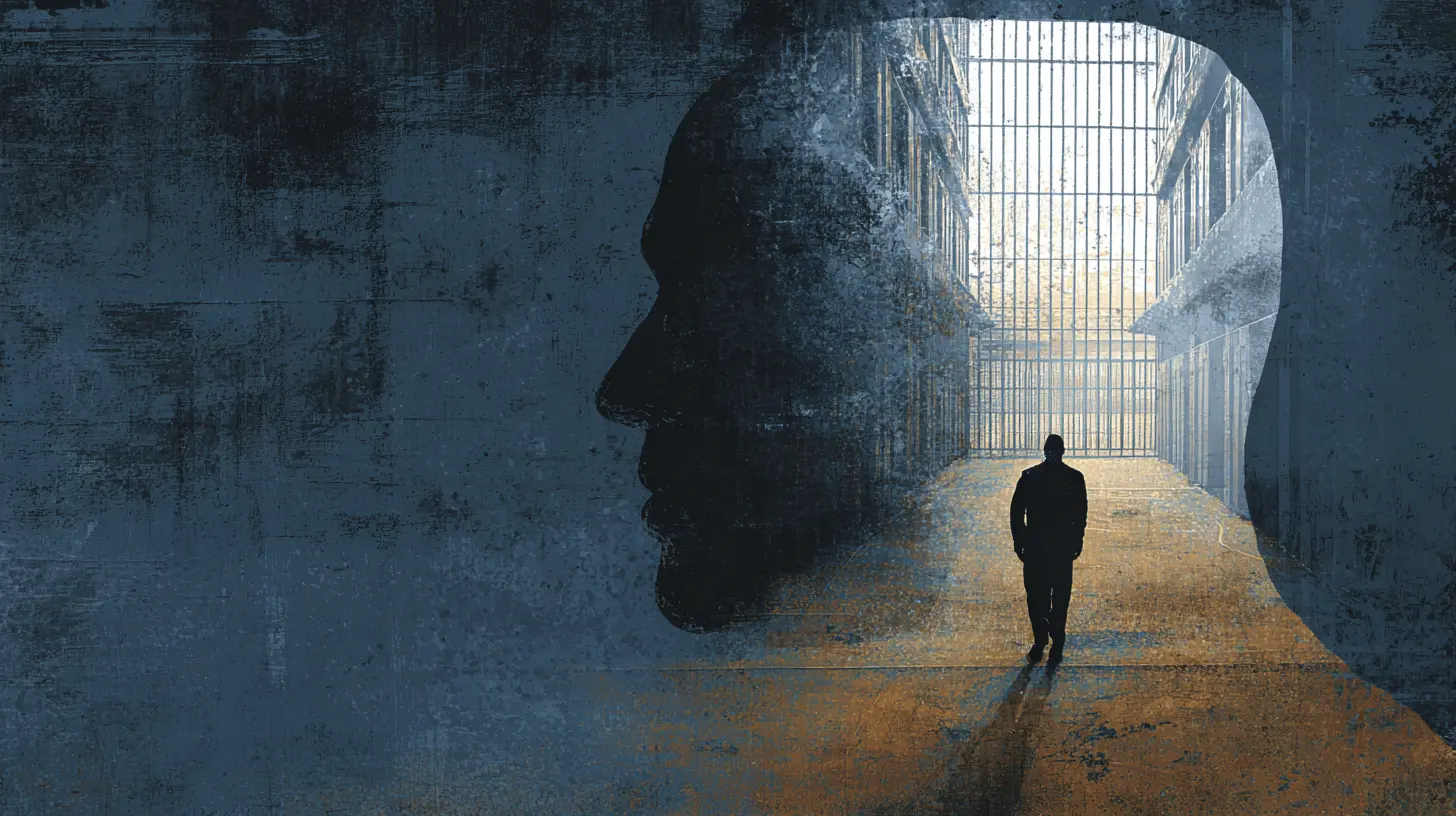
Prisons Are Not Psychiatric Hospitals (And They Shouldn’t Pretend to Be)
Here’s the thing: we shouldn’t expect correctional officers to be therapists. They’re trained for security, not psychology. But the line between inmate and patient has become super blurry.Prisons are now housing more individuals with mental illnesses than psychiatric hospitals, and that isn’t just an accidental oversight—it’s a screaming red flag. These facilities simply weren’t built to support this population. It's a square-peg-in-round-hole situation.
Even worse, many correctional institutions turn to solitary confinement when someone acts out due to a mental health crisis. Think about that—someone’s brain is in turmoil, and the go-to solution is total isolation. That’s like telling someone with a broken leg to walk it off by themselves in a dark room.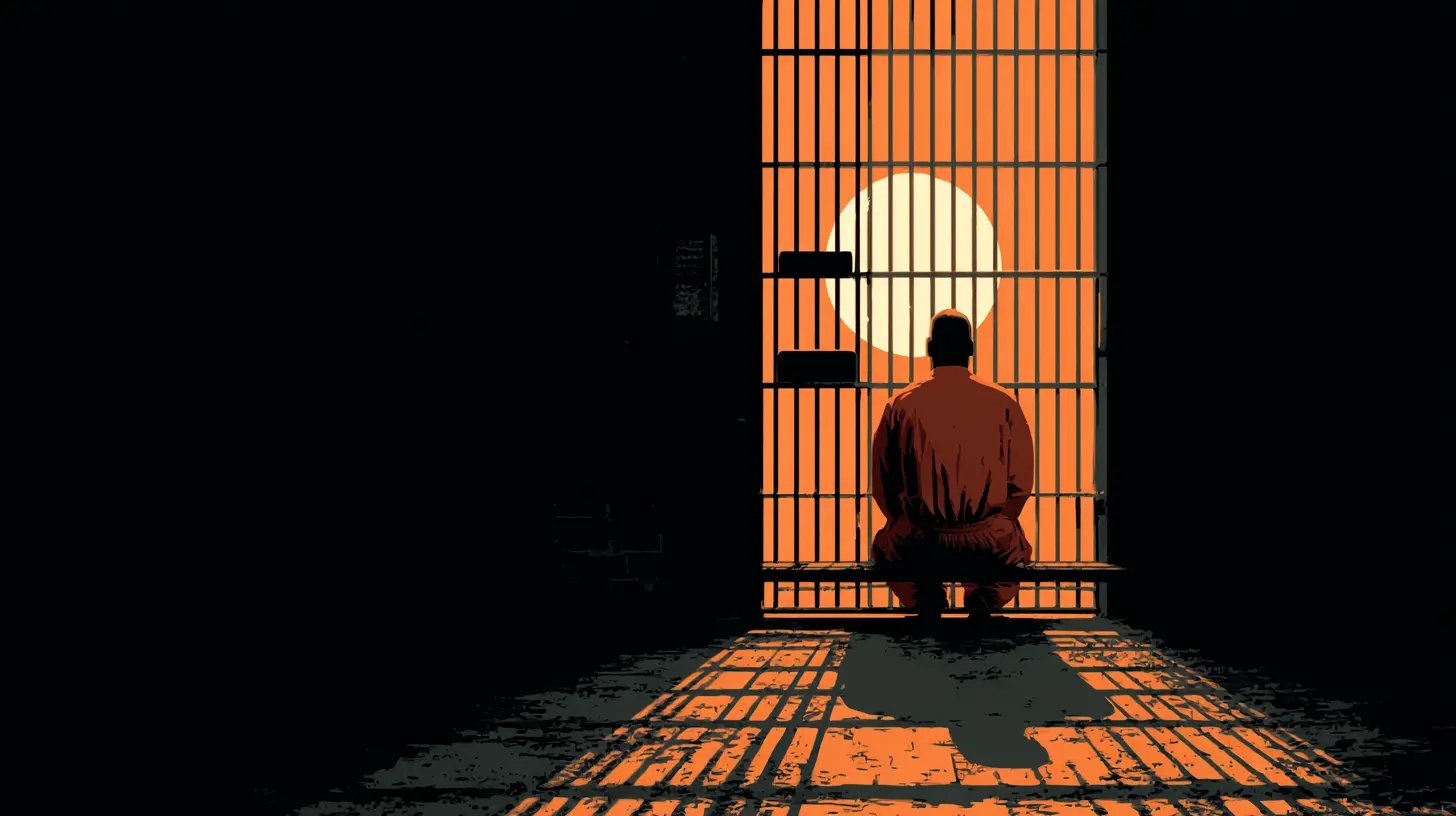
The Justice System’s Role: More Than Just Punishment
Okay, so what can be done? First off, we’ve got to change how we look at the justice system. It shouldn’t just be about punishment. It's about justice, and justice means more than locking someone up and throwing away the key.When it comes to people with mental illnesses, the system should function more like a crossroads than a dead end. That means early identification, proper treatment, rehabilitation, and a real shot at reentering society with support—not stigma.
And here’s where things get interesting.
What If the System Focused on Healing Instead?
Let’s dream a little. Imagine if:- Judges had access to mental health assessments before sentencing.
- Courts prioritized diversion programs over jail time for non-violent offenders.
- Prisons had sufficient therapy options, on-site counselors, and peer support groups.
- People weren’t punished for behaviors connected to their diagnosis.
Sounds like utopia? Not necessarily. Some places are already trying this out—and guess what? It works.
Mental Health Courts: A Game Changer
Enter mental health courts. These bad boys are designed specifically to deal with cases involving mental illness. The goal? Help people get treatment instead of time behind bars.Participants are offered tailored plans that may include therapy, medication management, and regular check-ins. It’s a team effort involving judges, lawyers, and mental health professionals. Think of it as a wellness-focused courtroom where accountability meets compassion.
And here’s the kicker: people in these programs are less likely to reoffend. That’s a win-win, right?
Alternatives to Incarceration: Let’s Get Creative
Let’s face it, putting everyone in jail hasn’t exactly solved society’s problems. In fact, it’s often made things worse. So why not think outside the cell?Here are some alternatives helping to keep people out of prison and in healthier environments:
- Community-based mental health treatment: Offer therapy and resources where people live so they never get caught up in the system in the first place.
- Crisis intervention teams (CIT): Train police officers to recognize mental health crises and de-escalate without using force.
- Peer support programs: Sometimes the best help comes from someone who’s walked the same path.
- Restorative justice: Focus on repairing the harm rather than punishing the person.
All these options aim to reduce harm and prioritize healing. That’s a system upgrade we can get behind.
The Elephant in the Room: Stigma
Alright, we can’t talk about mental health without addressing the big, awkward elephant in the room—stigma.Sadly, many people still see mental illness as a personal failure instead of a medical condition. In prison, that stigma is often magnified tenfold. Detainees fear discrimination from staff, from each other, even from their families. So they stay quiet. They suffer in silence. And nothing changes.
We need to flip the script.
Talking about mental health shouldn’t feel taboo. It should feel like going to the gym—something we do to stay healthy and strong. Especially in a place as high-stress and isolating as prison.
Advocating for Change: What Can YOU Do?
Now for the million-dollar question: what can you do about all this?Glad you asked.
1. Educate yourself – Awareness is step one. The more you know, the more powerful your voice becomes.
2. Support mental health organizations – Find groups that are fighting for reform in the justice system and throw your support behind them, whether via time, money, or simply sharing their work.
3. Vote for mental health policies – Pay attention to who’s running and where they stand on mental health and criminal justice reform.
4. Challenge stigma – Talk about mental health openly and without judgment. Normalize it.
5. Speak up – Whether on social media, in your community, or over dinner with friends—your voice matters.
Wrapping It All Up (With A Hug of Hope)
Mental health in prisons and the justice system isn’t just a “them” issue. It’s an “us” issue. Because how we treat our most vulnerable reflects who we are as a society. These aren’t just inmates. They’re people. People with struggles and stories and hopes for something better.Sure, overhauling the system won’t happen overnight. But every conversation, every policy change, every moment of compassion pushes us one step closer. Advocating for mental health in prisons isn’t just a cause—it’s a calling.
Let’s answer it.
all images in this post were generated using AI tools
Category:
Mental Health AdvocacyAuthor:

Gloria McVicar
Discussion
rate this article
1 comments
Patricia Harper
Mental health must be prioritized in prisons to ensure justice and rehabilitation.
May 31, 2026 at 3:11 AM
Gloria McVicar
I completely agree. Prioritizing mental health in prisons is essential for true rehabilitation and justice.